
XBH A3-2 DTG Printer - Wide Fabric Compatibility Cotton Canvas Linen Modal & More
Brand XBH
Product origin CHINA
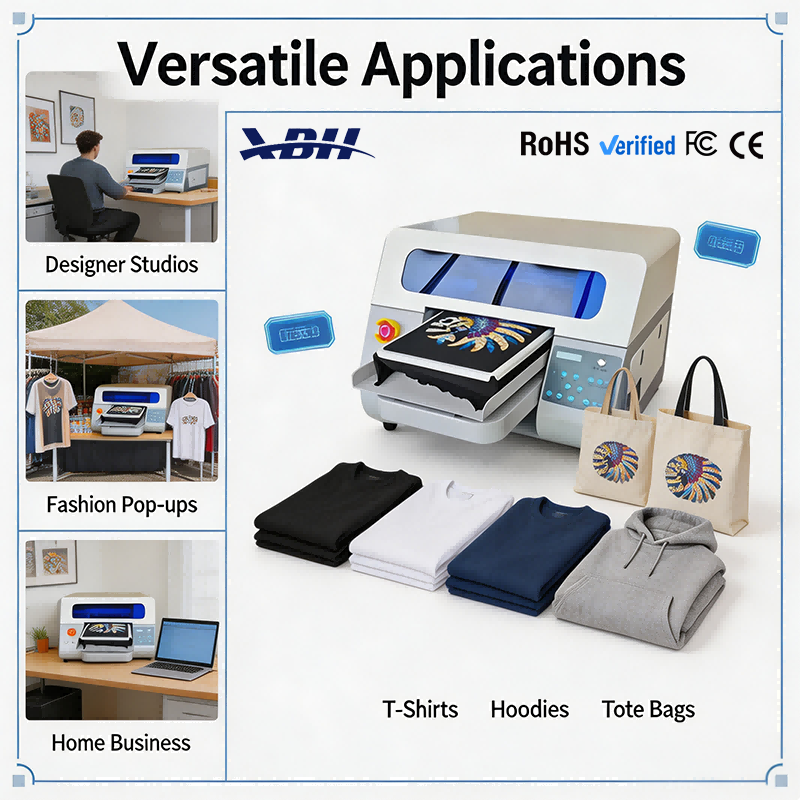
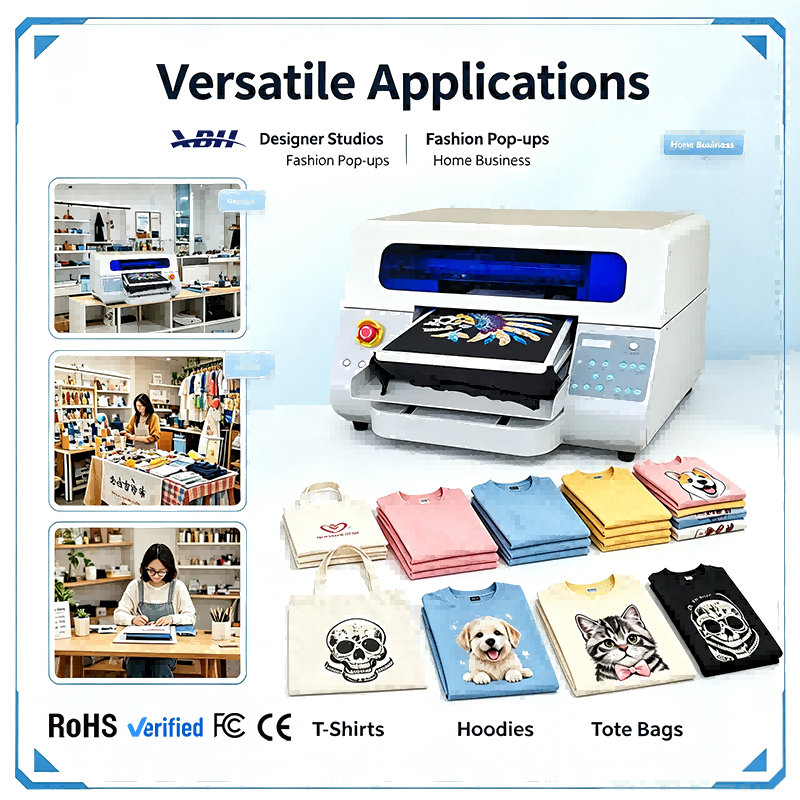
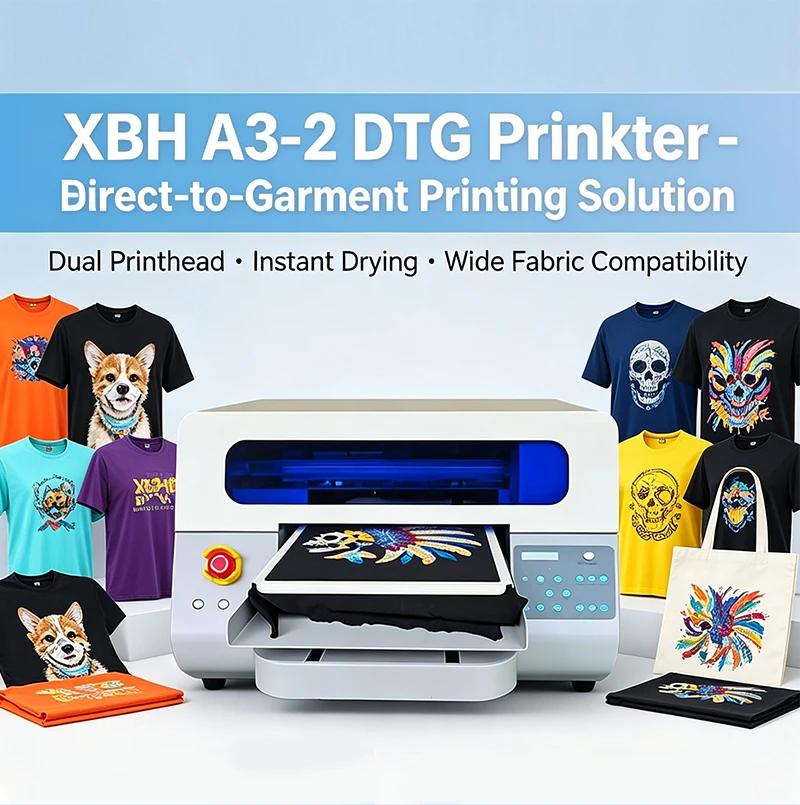
XBH A3-2 DTG prints on a wide range of fabrics: cotton, canvas, linen, modal, hemp, wool, polyester and more. One machine handles t-shirts, hoodies, tote bags, hats, shoes and pillows. Versatile apparel printing across many garment types and fabric compositions.


Q: What fabrics can the XBH A3-2 DTG print on?
A: The machine handles a broad range of textile materials. Natural fibers like cotton, linen, hemp and wool work very well, as the water-based DTG ink absorbs nicely into these fibers. Blended fabrics like modal and odale also produce good results. Canvas — commonly used for tote bags and sneakers — takes the ink well. Even polyester and synthetic blends can be printed, though results may vary depending on the specific fabric composition and pre-treatment. The key is that the machine is not limited to 100% cotton only; it can handle the variety of fabrics that come through a typical custom apparel shop.
Q: How does printing on cotton compare with other fabrics?
A: Cotton is the most common and most reliable fabric for DTG printing. The water-based ink absorbs into cotton fibers beautifully, producing soft-hand prints with vibrant color and good wash durability. Cotton t-shirts, hoodies and tote bags are the bread-and-butter of DTG. For other fabrics, the results can be slightly different — canvas may produce a slightly firmer hand feel, linen may show more texture through the print, polyester may require different pre-treatment — but the machine is capable of producing good results across the range. Most custom apparel shops work primarily with cotton and cotton blends, which this machine handles excellently.
Q: Can I print on thicker garments like hoodies and sweatshirts?
A: Yes. The platen is designed to accommodate garments of varying thickness, including hoodies, sweatshirts and fleece. You place the garment on the platen, smooth out the printing area, and the machine prints on it the same way it would a t-shirt. Thicker garments may require slight adjustments to the platen height or print settings, but the process is essentially the same. Hoodies and sweatshirts are popular custom apparel items, especially for fall and winter seasons, and being able to print them on the same machine as t-shirts means you can offer a fuller product range to your customers without needing separate equipment.
Q: What about non-apparel fabric items like bags, shoes and pillows?
A: The machine's fabric compatibility extends beyond apparel. Canvas tote bags print very well — the canvas texture takes the ink nicely and the bags are easy to load on the platen. Throw pillows with cotton or canvas covers can be printed with custom designs. Shoes, especially canvas sneakers, can be printed on using the appropriate platen or positioning method. Hats and caps may require a specialized hat platen attachment. The versatility to print on these non-apparel fabric items means you can expand your product offerings beyond just t-shirts. A customer who orders custom shirts might also want matching tote bags or pillows, and you can fulfill it all on one machine.