
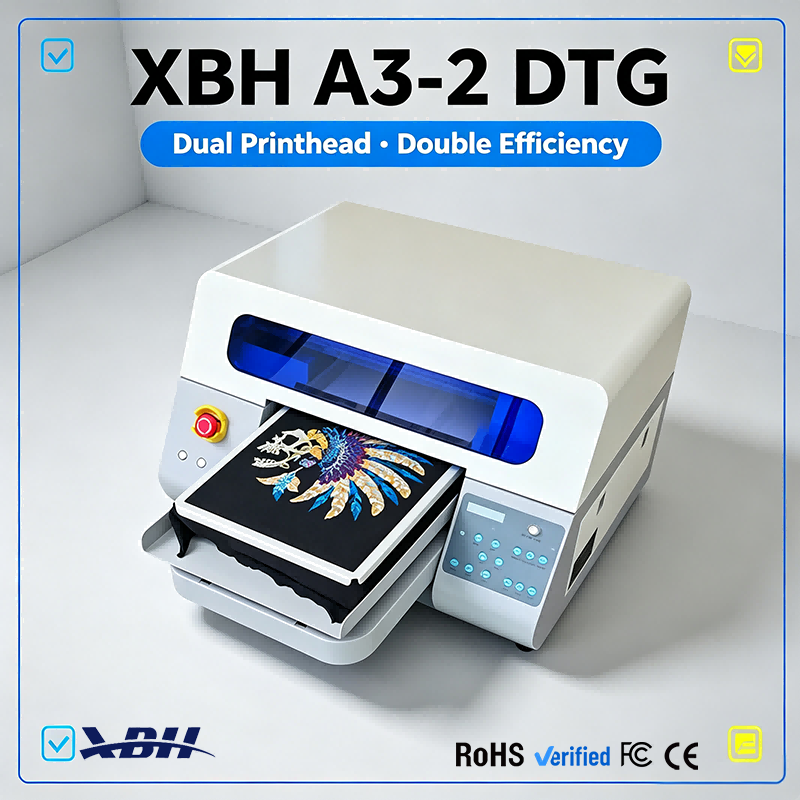
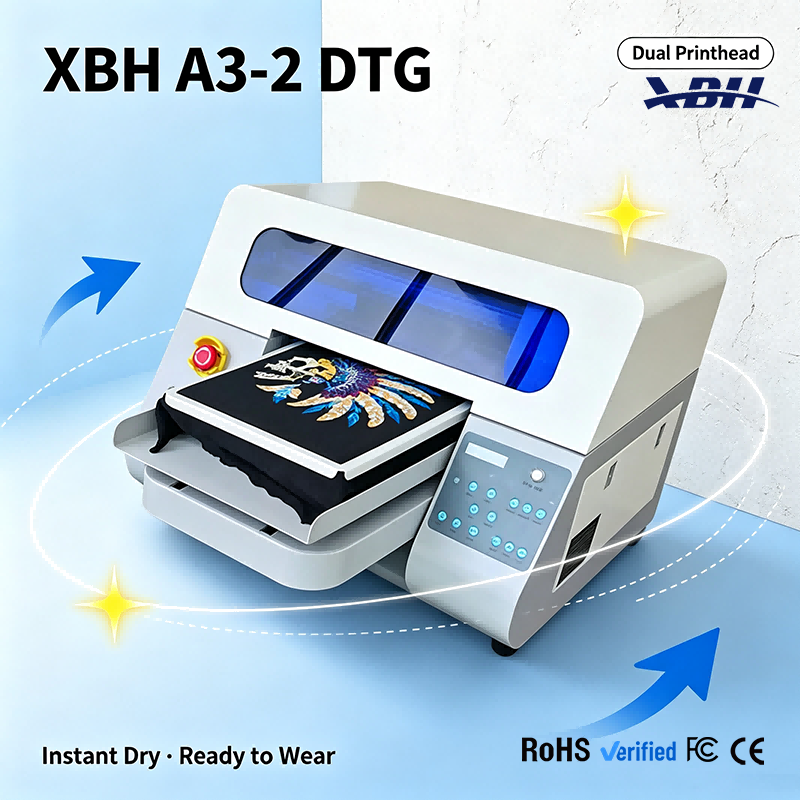
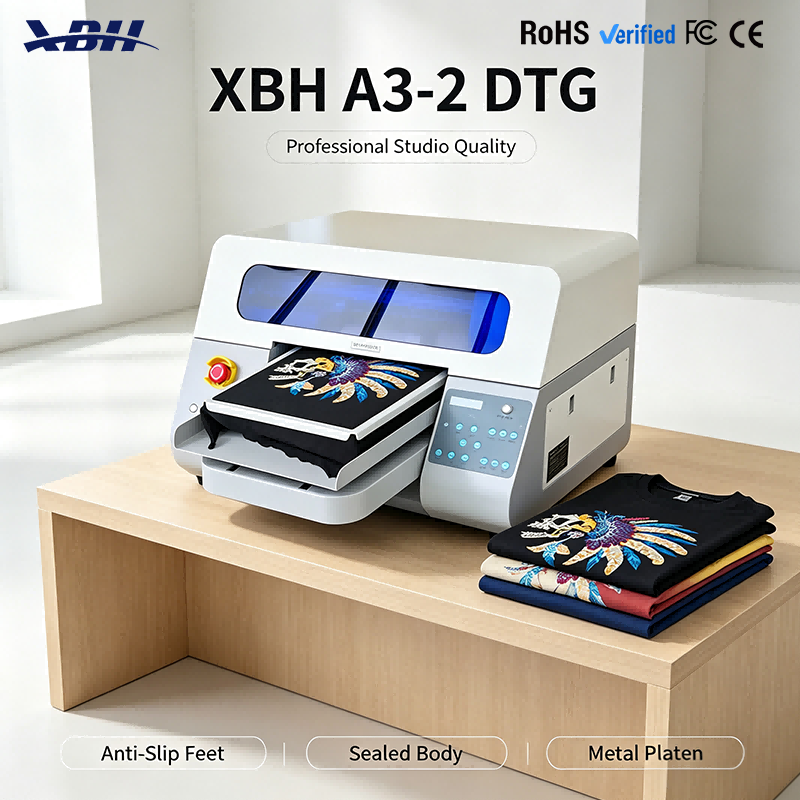
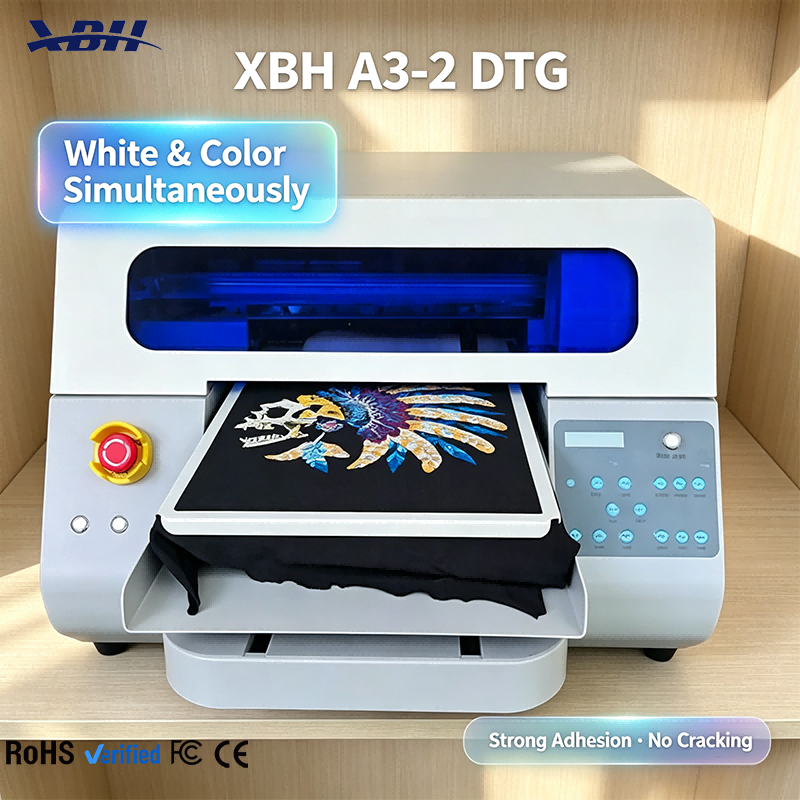
XBH A3-2 DTG Printer - Start a Custom Apparel Brand Low Entry High Margin
Brand XBH
Product origin CHINA
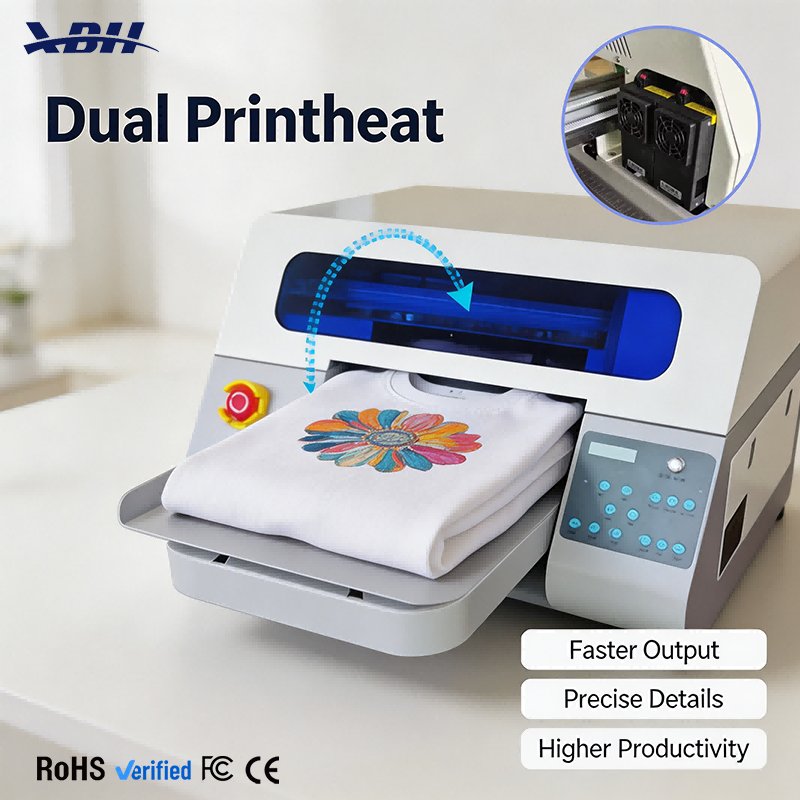
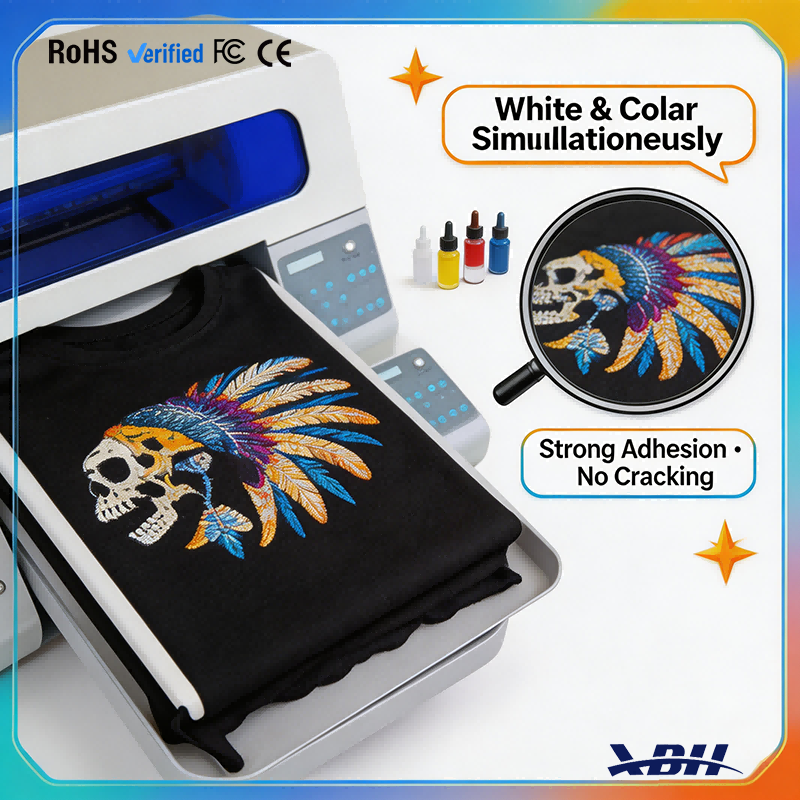
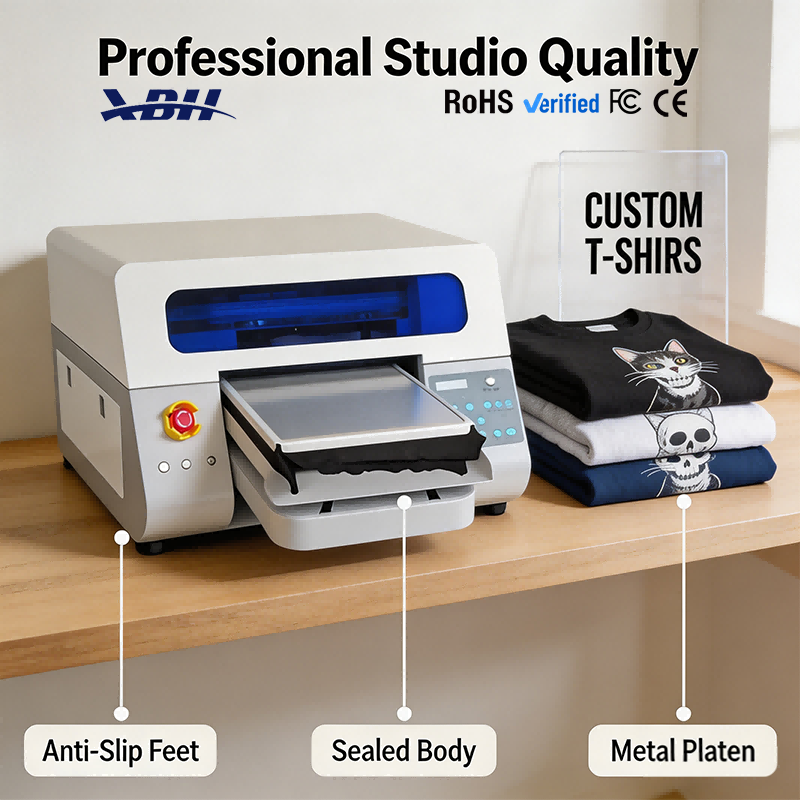
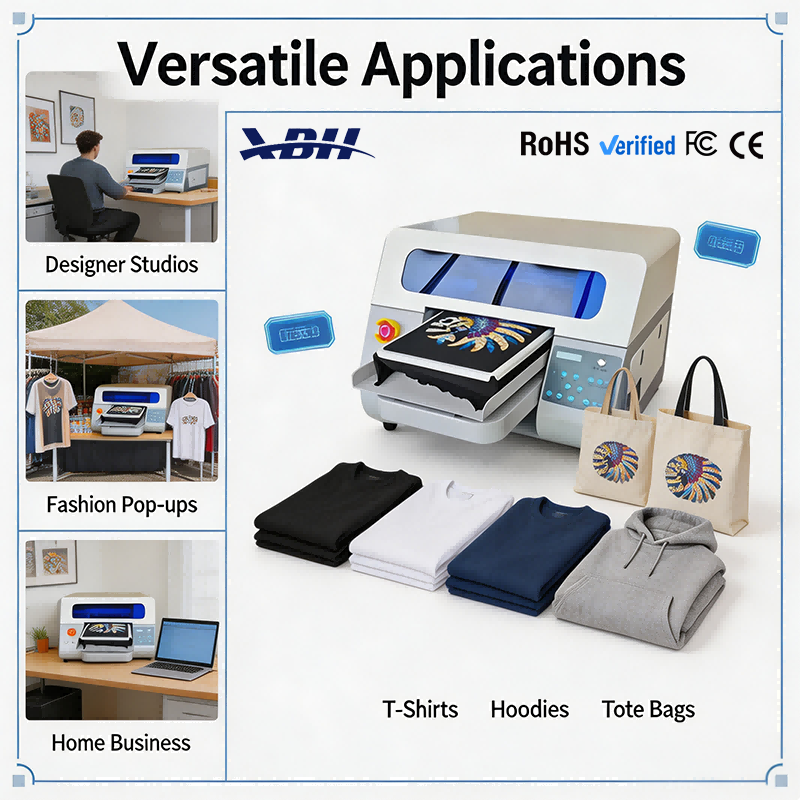
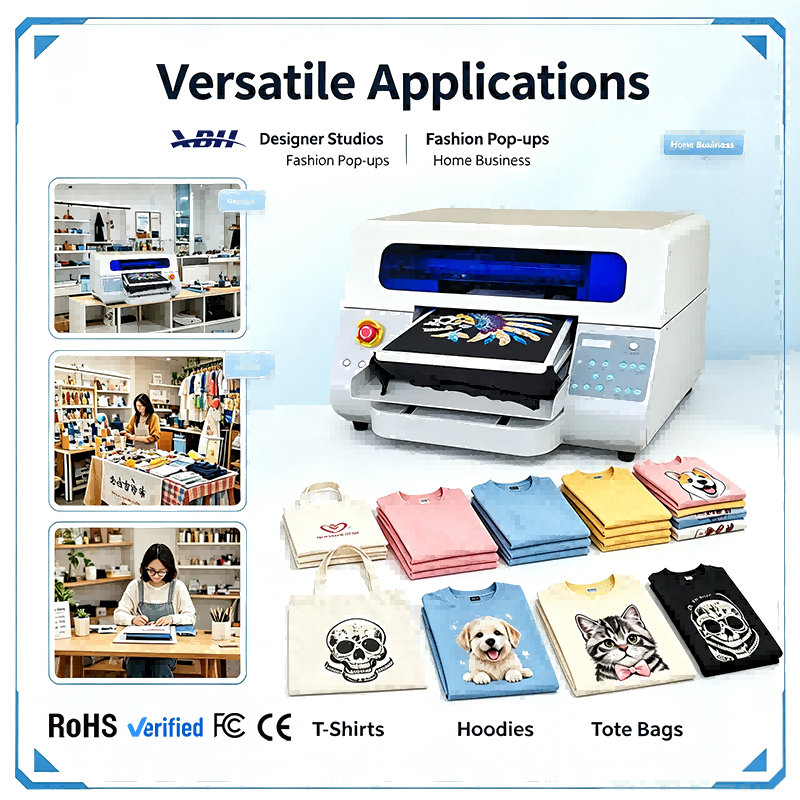
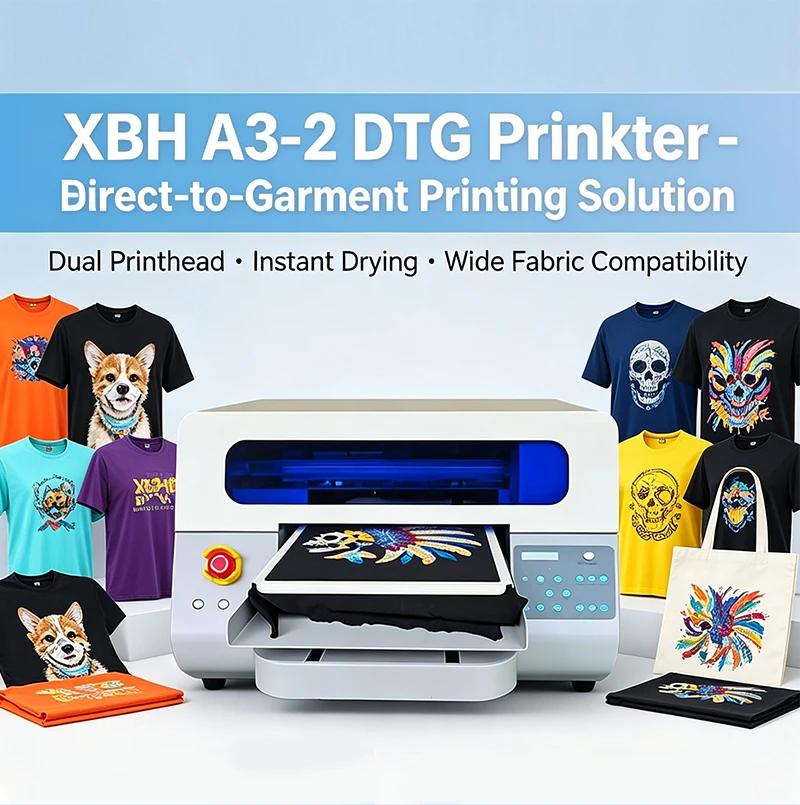
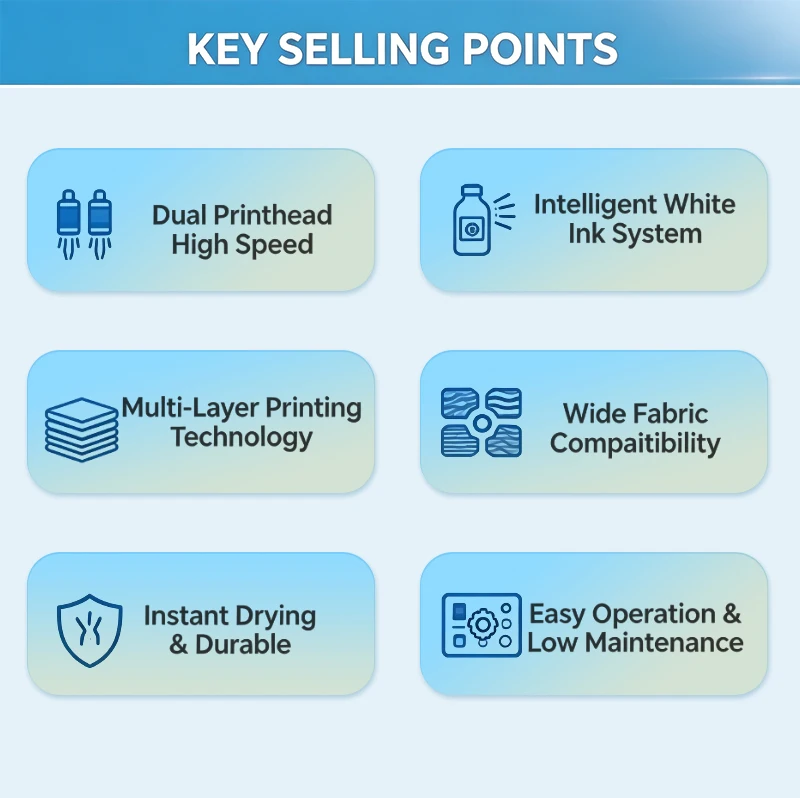
XBH A3-2 DTG is the perfect machine for starting a custom apparel brand or t-shirt printing business. Low entry cost, no minimum orders, high-margin custom products, and the ability to print on demand. Turn designs into revenue quickly. Ideal for fashion brands, promotional events and custom gift businesses.


Q: Why is DTG printing a good business model for startups?
A: DTG (direct-to-garment) printing has several advantages that make it ideal for new businesses. There's no setup cost per design — you don't need screens, plates or transfers, so you can print one shirt or a hundred with the same cost structure. This means no minimum orders, which is perfect for selling custom one-off items or testing new designs without committing to large inventory. You print on demand — only produce a shirt when a customer orders it — so there's no dead stock, no leftover inventory, and no money tied up in pre-printed shirts that might not sell. The per-unit cost is low enough that even at retail prices, margins are healthy. For a startup, this low-risk, low-inventory model is much more accessible than traditional screen printing, which requires minimum runs and setup costs.
Q: How much can I charge for custom DTG printed shirts?
A: Custom DTG shirts command premium prices because customers pay for personalization and uniqueness. A basic custom t-shirt with a one-color chest logo might retail for $20 to $30, while a full-color front print with photographic detail can sell for $30 to $50 or more, depending on the shirt quality and design complexity. Custom hoodies typically sell for $40 to $70. The blank shirt cost is low — a few dollars for a standard cotton tee — and the ink cost per print is modest, so gross margins are typically 60-80% even at reasonable retail prices. For custom one-off designs, personalized gifts, or limited-edition artist collaborations, customers are willing to pay even more. The key is that DTG lets you charge for the customization value, not just the cost of the shirt.
Q: What do I need to get started with a DTG business?
A: The core equipment is the XBH A3-2 DTG printer itself. You'll also need a computer to run the print software and prepare design files — any standard desktop or laptop works. You'll need blank garments in inventory — start with a range of sizes and colors of popular t-shirt styles, plus a few hoodies and tote bags. You'll need DTG ink (white + CMYK), pre-treatment solution for dark garments, and a heat gun or heat press for curing the pre-treatment. You'll need a workspace — a sturdy table for the printer, plus space for folding and packaging. You don't need a large commercial space; a spare room, garage or corner of a retail shop works. The total startup investment is manageable for a small business or even a side hustle.
Q: What market opportunities work well with DTG printing?
A: Several markets are strong for DTG. Custom apparel brands — designers who create their own artwork and sell limited-edition shirts online through Etsy, Shopify, Instagram or their own website. Local business merchandising — small businesses, restaurants, breweries and bands that need custom shirts in small quantities. Event merchandise — concerts, festivals, charity runs, family reunions, bachelor parties — where attendees want custom shirts and the quantities are too small for screen printing. Personalized gifts — custom shirts with names, dates, photos or inside jokes for birthdays, anniversaries and holidays. Promotional products for corporate clients — branded shirts, tote bags and hoodies for company events and employee gifts. The common thread is small-batch, custom, on-demand printing — exactly what DTG excels at.