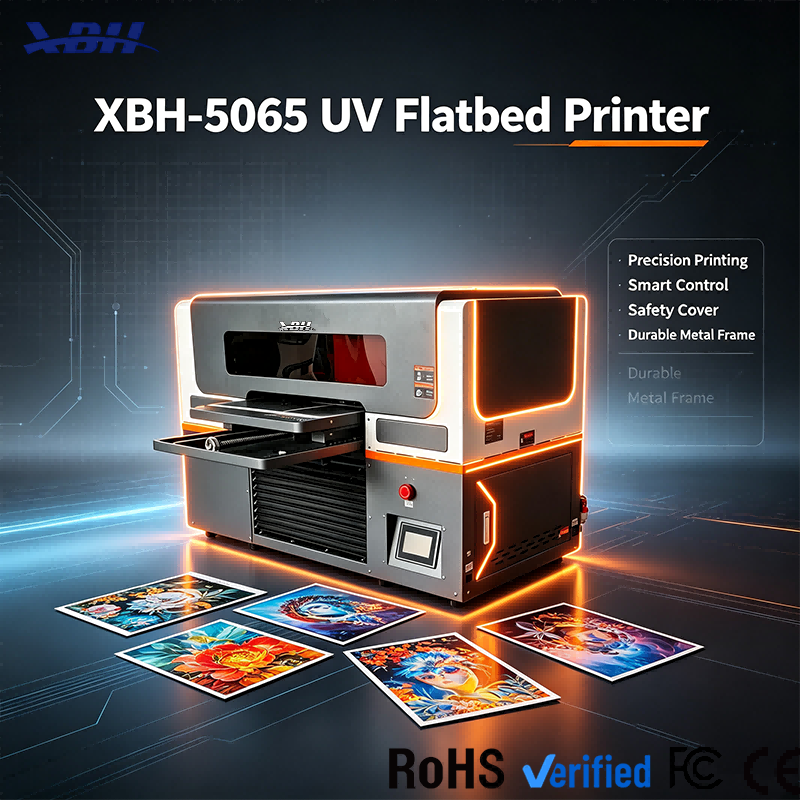

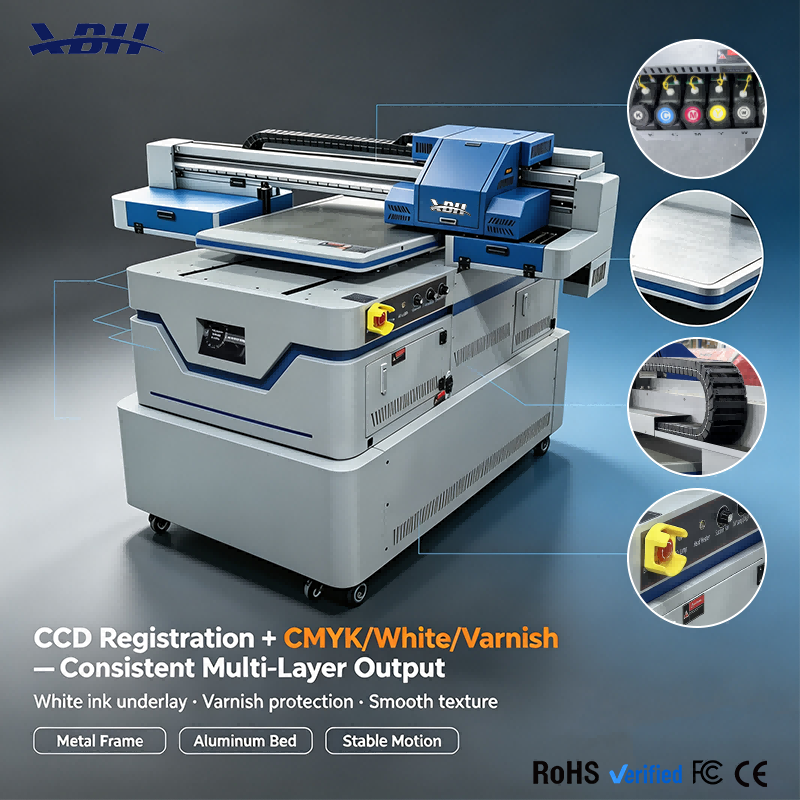
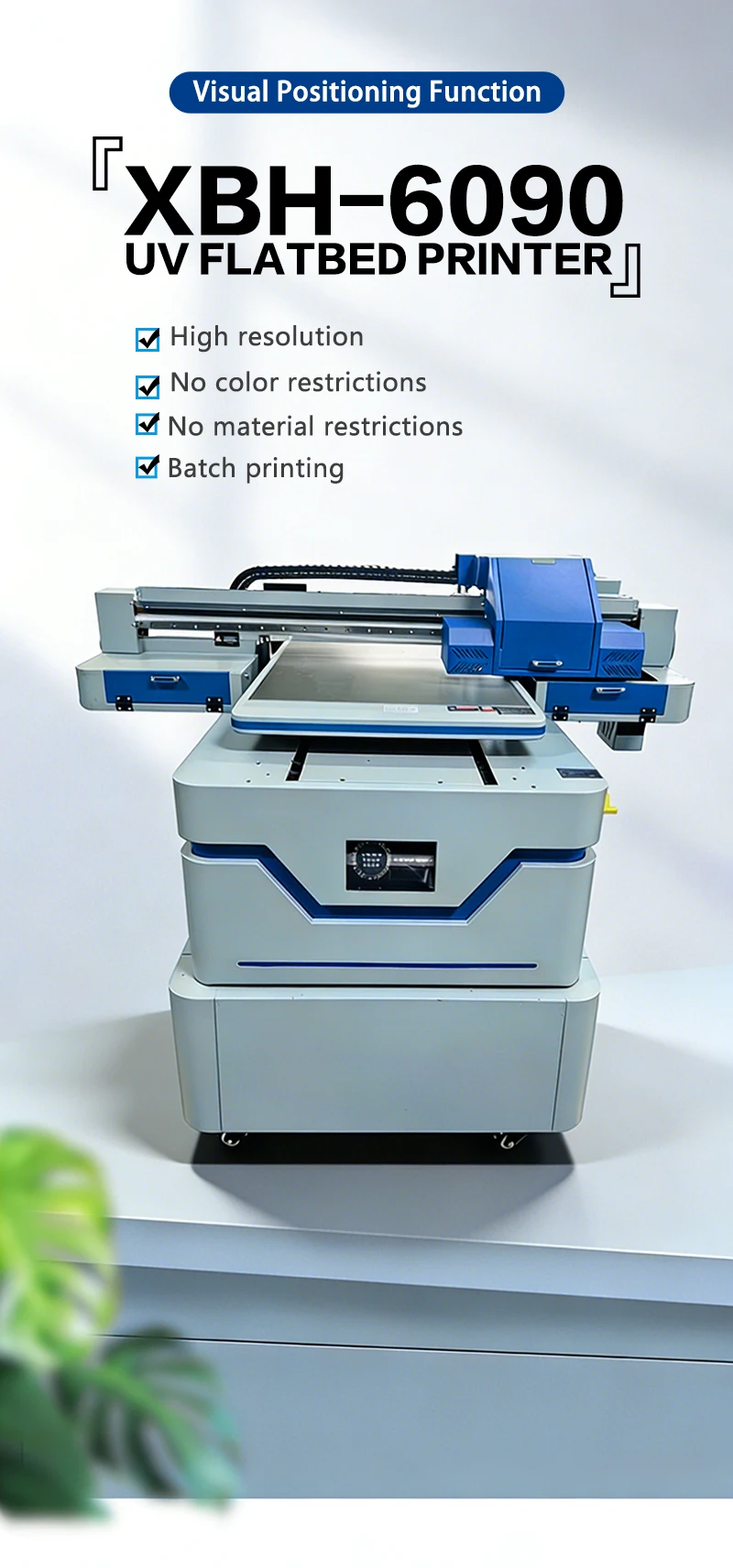
XBH-6090 UV Flatbed Printer - Direct Print on Glass Leather Wood Metal Acrylic
Brand XBH
Print directly onto glass, leather, wood, metal, acrylic and more with the XBH-6090 UV flatbed printer. No pre-treatment, no transfer paper — just place the material on the bed, send the file, and print. Full color, photo quality, on almost any rigid surface


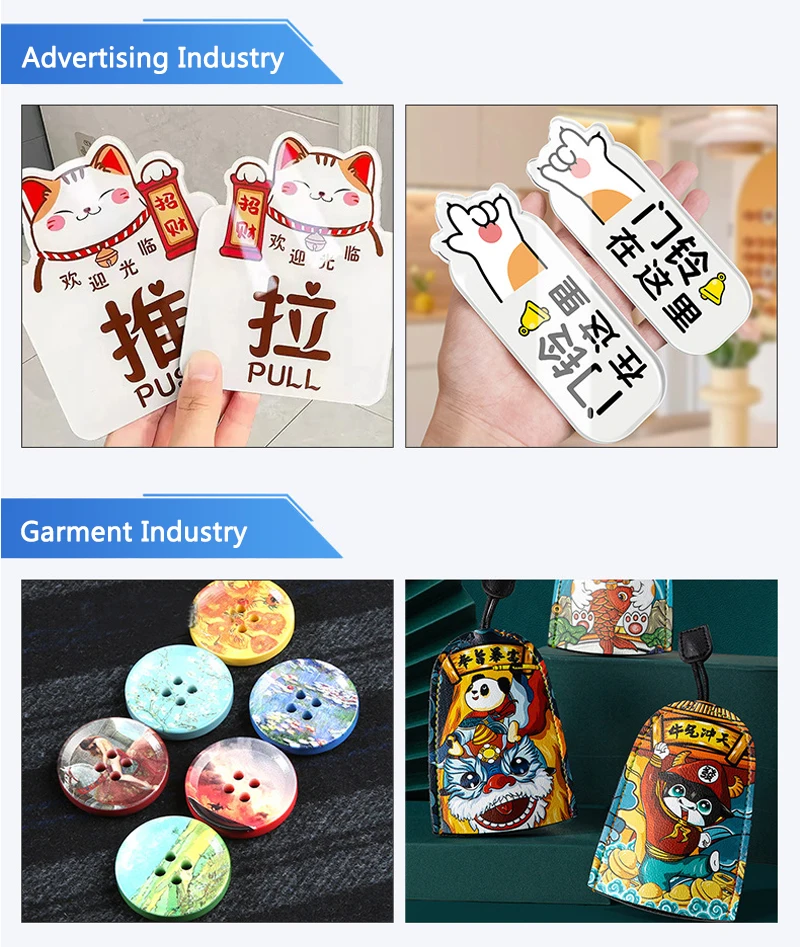
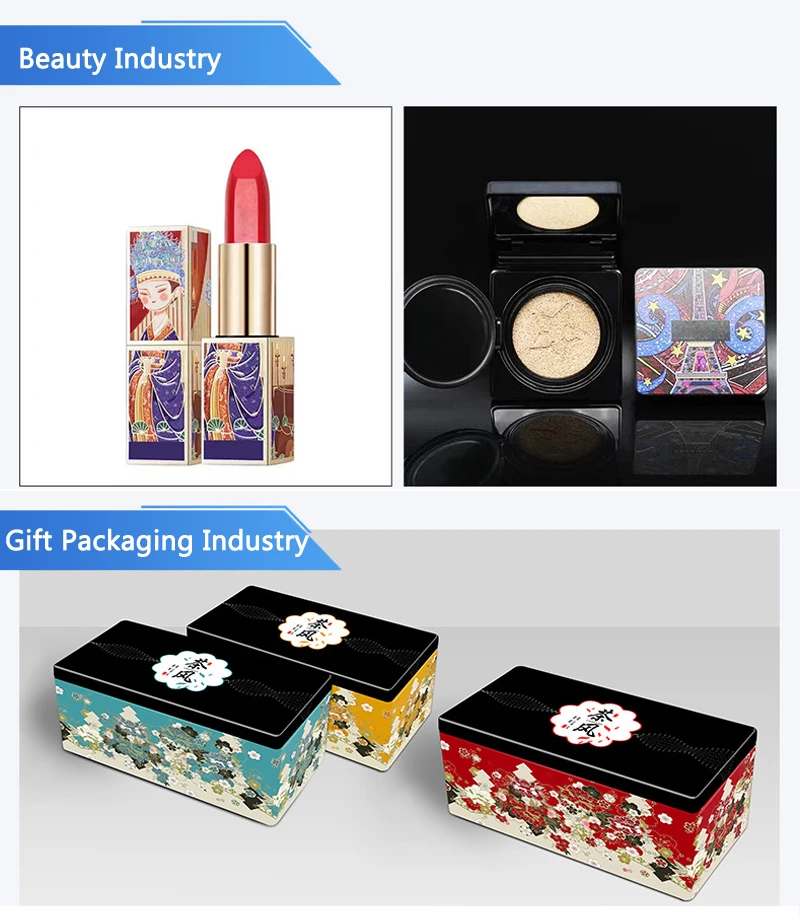
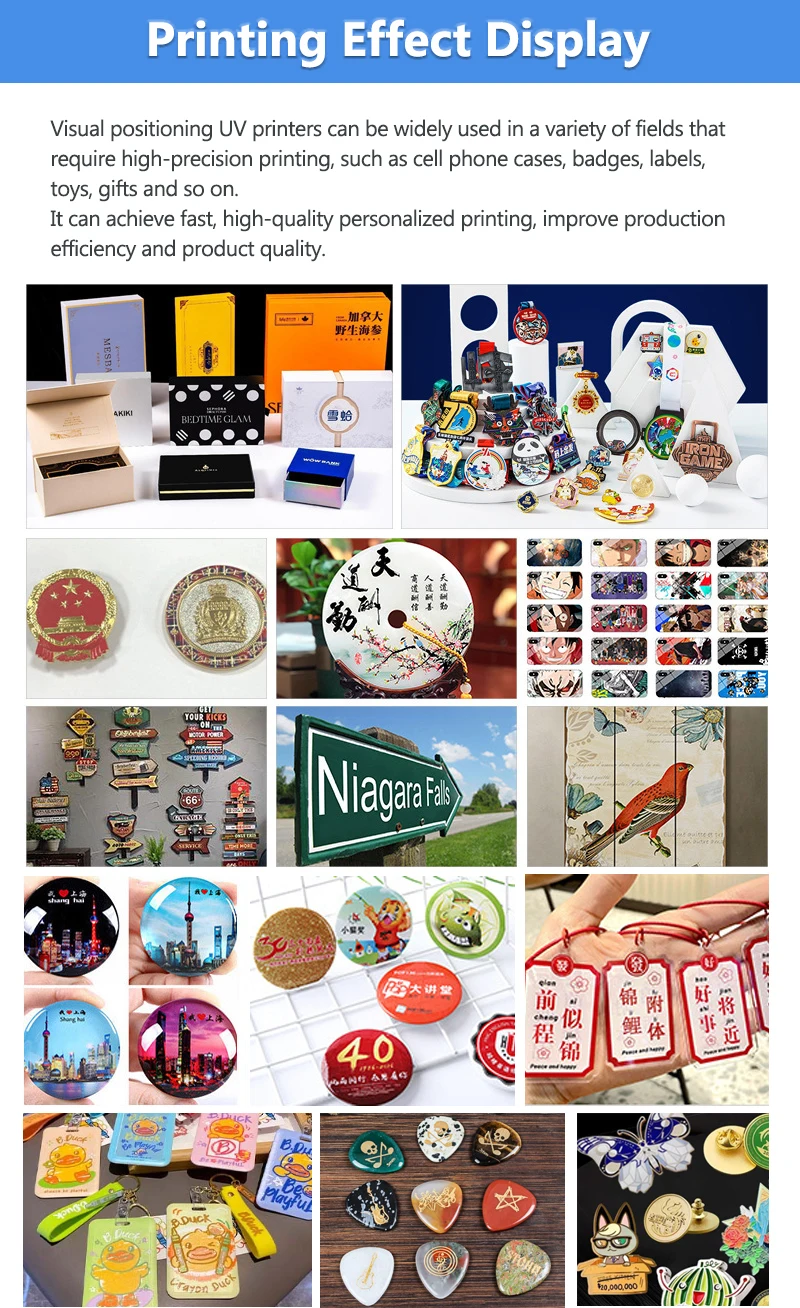
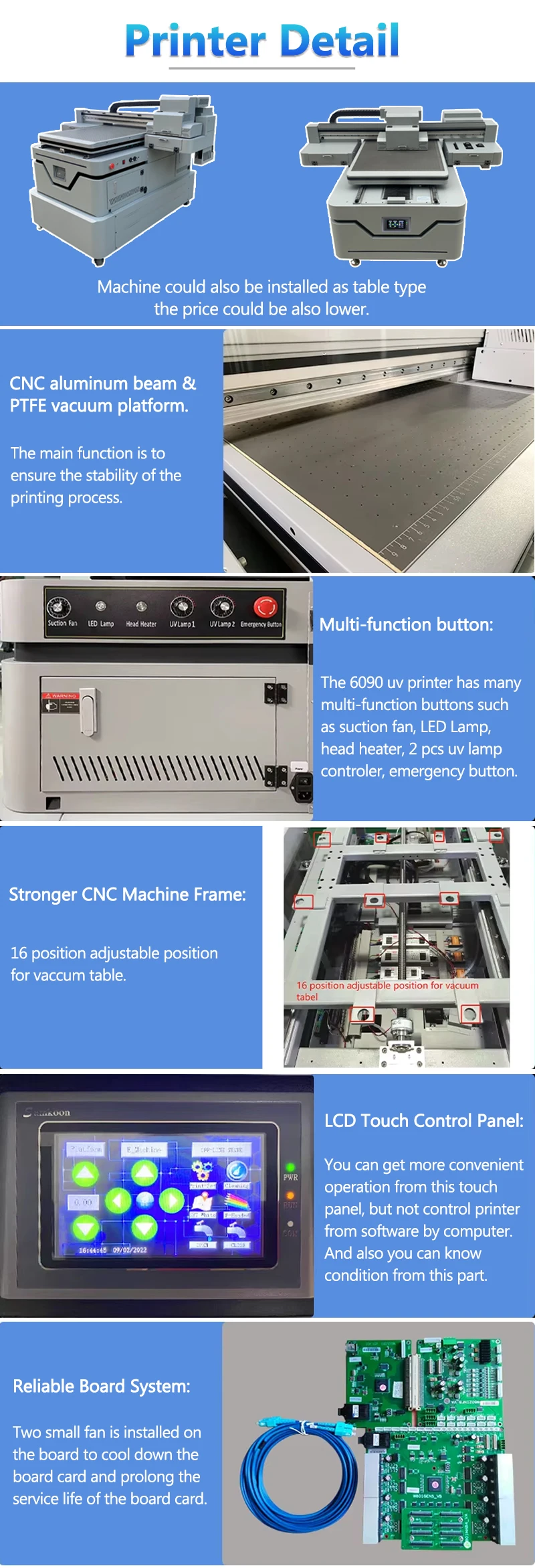
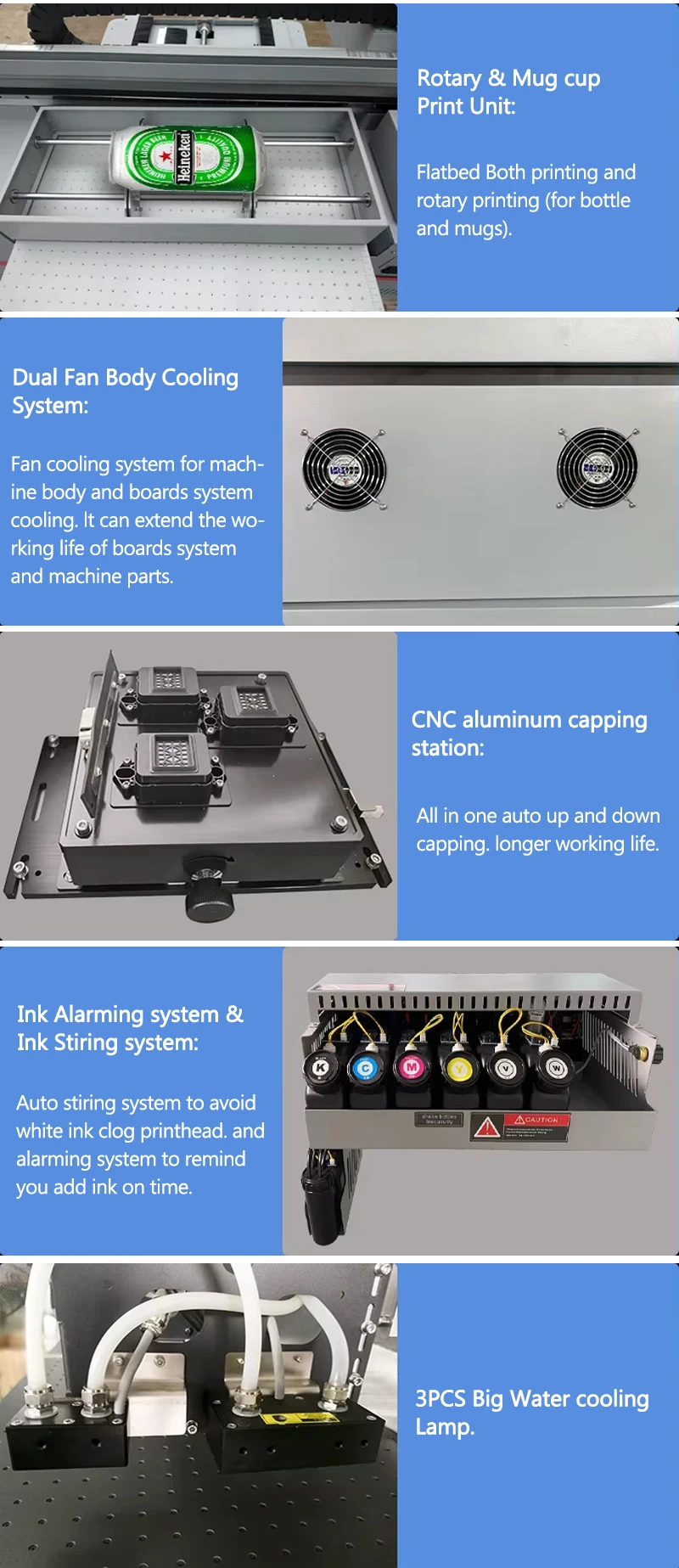

Q: What materials can the XBH-6090 print on directly?A: This machine handles a wide range of rigid and semi-rigid substrates. Glass panels and bottles, leather goods and wallets, wood boards and crafts, metal sheets and nameplates, acrylic signs and displays, plastic parts, PVC, ceramic tiles — these are all common applications. The flatbed design means you place the material directly on the printing table, and the print head moves over it to deposit UV ink that cures instantly.
Q: Do I need to pre-treat materials before printing?A: For most common materials, no pre-treatment is required. You clean the surface, place it on the bed, and print. Some very non-porous or slippery surfaces may benefit from a light coating or surface treatment to improve ink adhesion, but that depends on the specific material and the durability requirements of the finished product. For standard glass, acrylic, wood and metal jobs, direct printing works well right out of the box.
Q: How does the ink hold up on different materials?A: UV ink cures hard when exposed to the built-in UV lamps, creating a durable, scratch-resistant layer that bonds well to most surfaces. On glass and acrylic, the printed image resists scratching and normal handling. On wood, the ink sinks slightly into the grain for a natural feel. On metal, it forms a strong bond that resists chipping. The exact durability depends on the material and how the finished product is used, but for most decorative and promotional applications, the results are long-lasting.
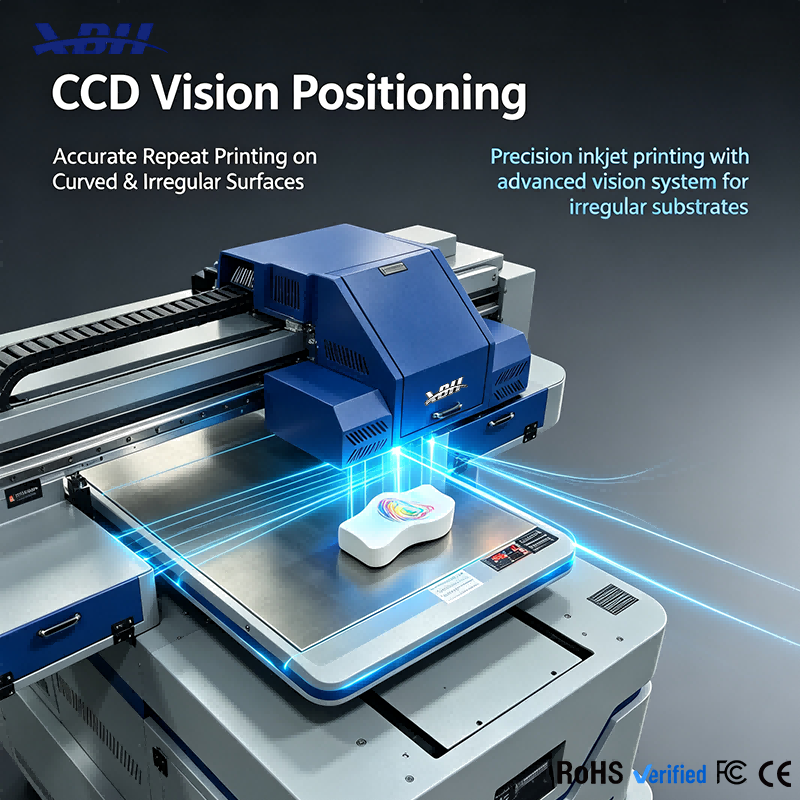
Q: Can I print on both flat and slightly uneven objects?A: The machine is designed primarily for flat materials, but it can handle slight surface variations. The print height is adjustable, so you can accommodate materials of different thicknesses. Objects with slightly curved or textured surfaces can often be printed successfully as long as the variation stays within the machine's tolerance. For perfectly flat sheets and boards, you get the sharpest, most consistent results.
Q: What about printing on dark or colored materials?A: The machine includes white ink, which acts as an underbase for dark materials. You print a white layer first, then the color on top, so your designs show up brightly on black, red, blue or any colored substrate. On transparent materials like glass, you can print white behind the colors to make them opaque, or print without white for a see-through effect. The white ink gives you flexibility across all material colors and transparencies.
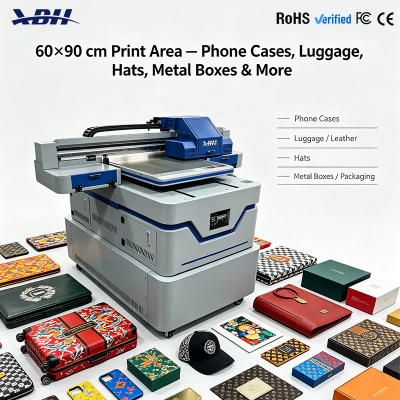
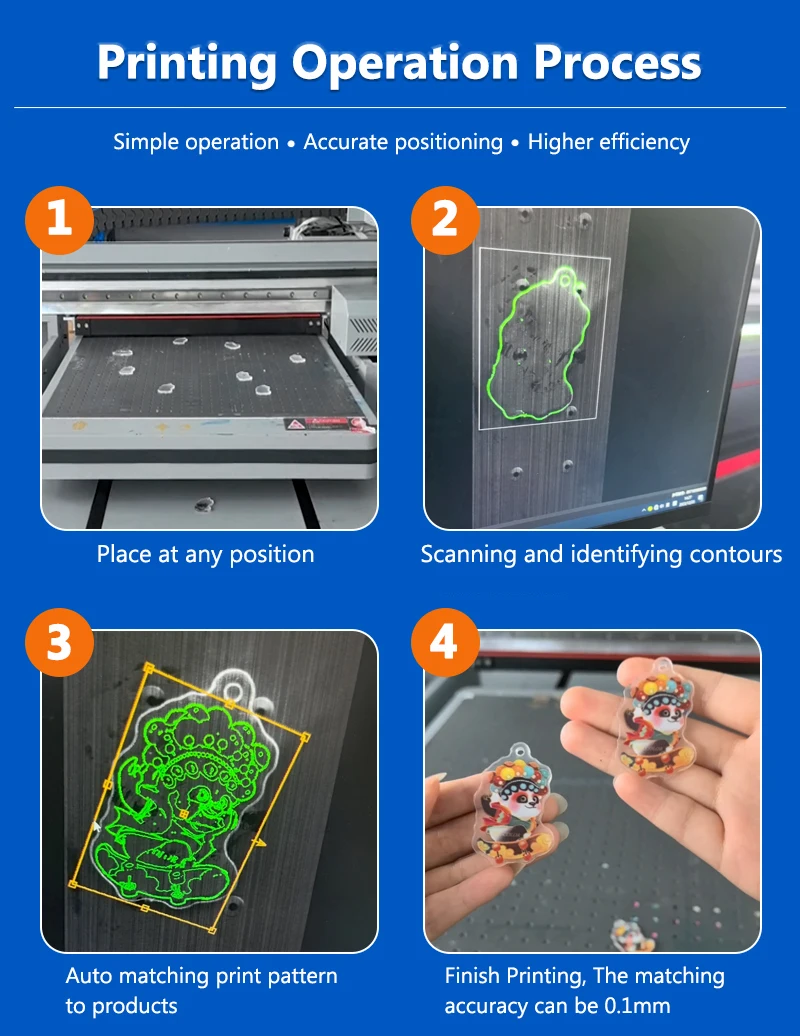
Q: How do I position materials accurately on the bed?A: The 60×90cm bed gives you plenty of room to arrange multiple pieces. You can use the software to set up your print layout, then place materials on the bed according to the layout guides. Many operators use simple alignment marks or jigs to position pieces consistently, especially when running multiple copies of the same item. The bed is flat and stable, so once you find your positioning, you can repeat it reliably.
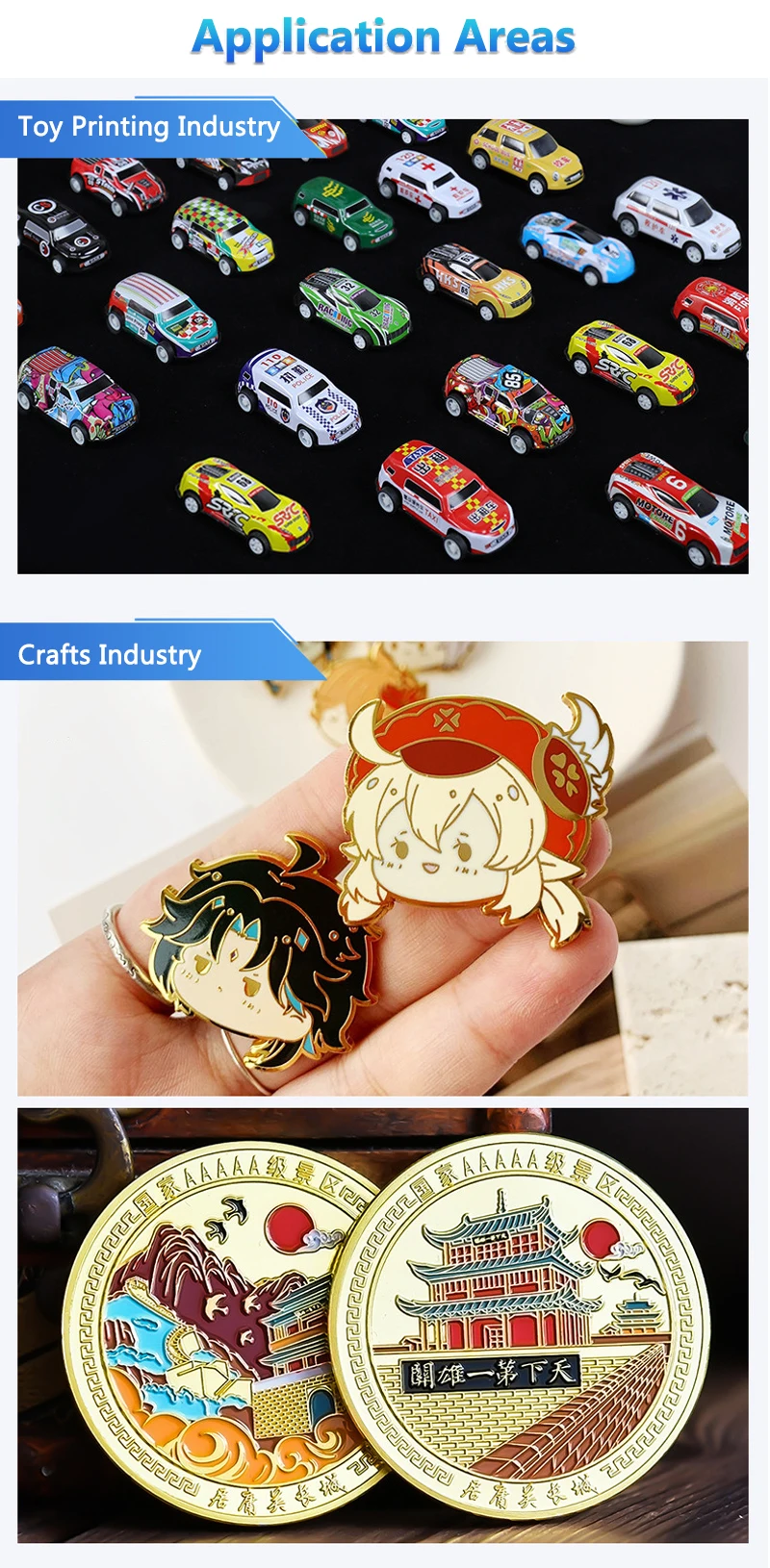
Q: What kind of businesses benefit most from multi-material printing?A: Sign and display shops that work with acrylic, PVC and foam board. Gift and souvenir shops that personalize wood, glass and metal items. Promotional product companies that print on pens, keychains and awards. Craft and handmade businesses that want to add custom printing to their products. Electronics accessory makers that personalize phone cases and power banks. Any business that works with multiple material types can consolidate their printing needs onto one machine.