
XBH-4060 UV Flatbed Printer - Multi-Material Custom Printing Business Startup
Brand XBH
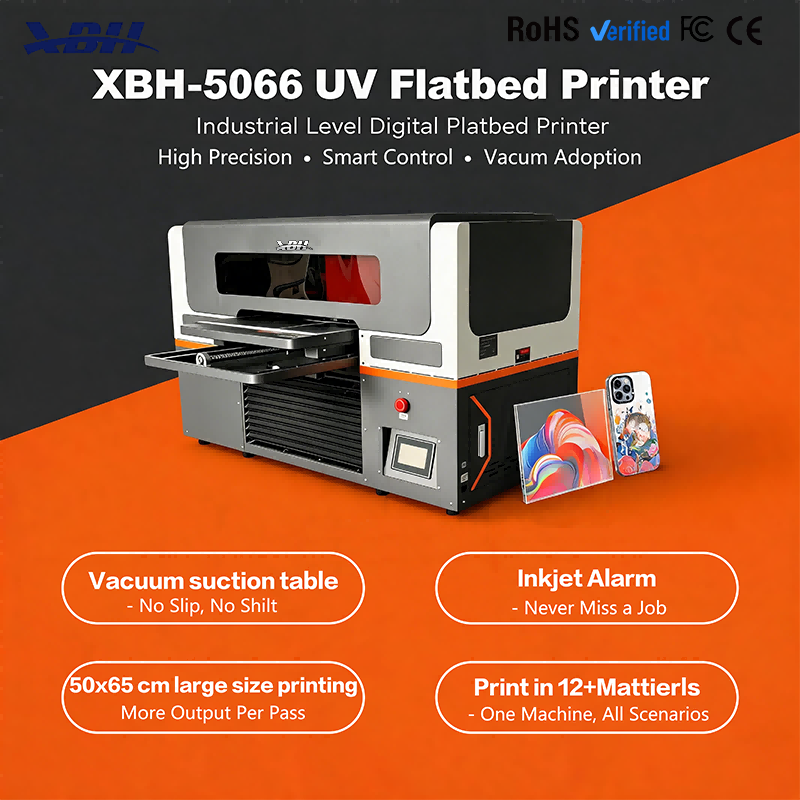
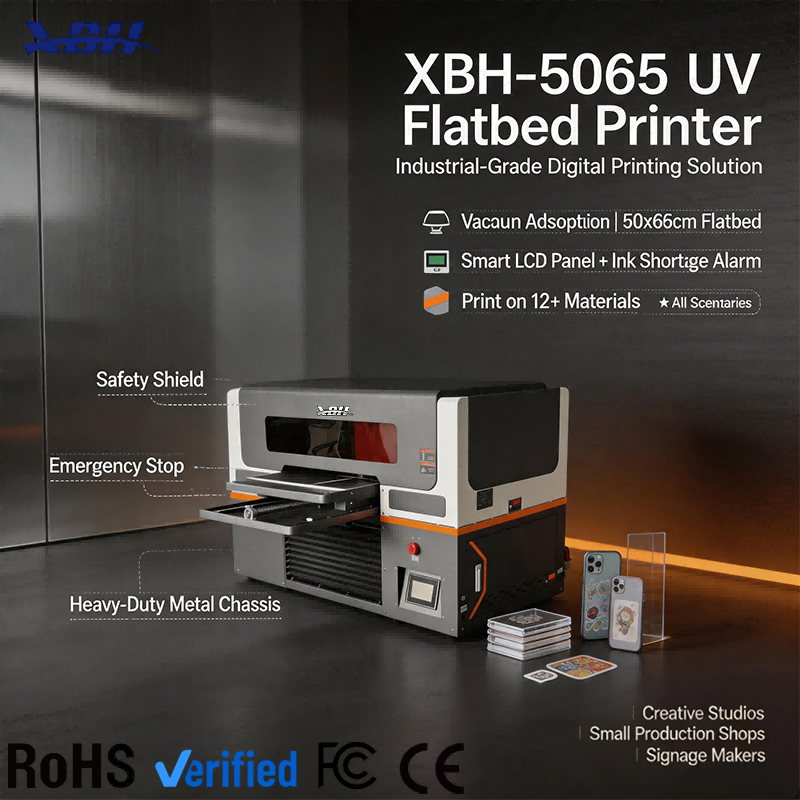
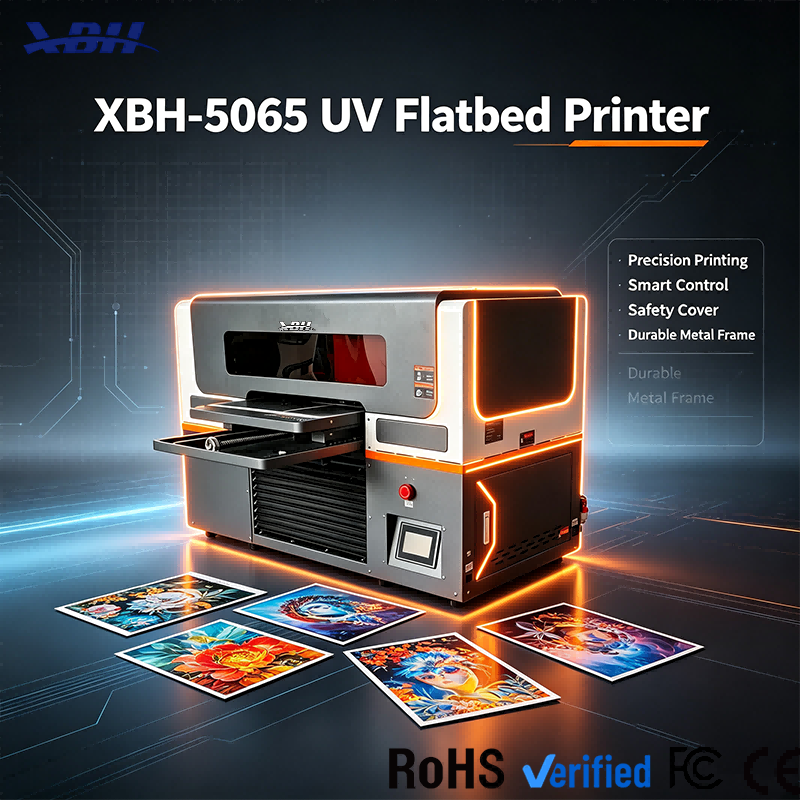
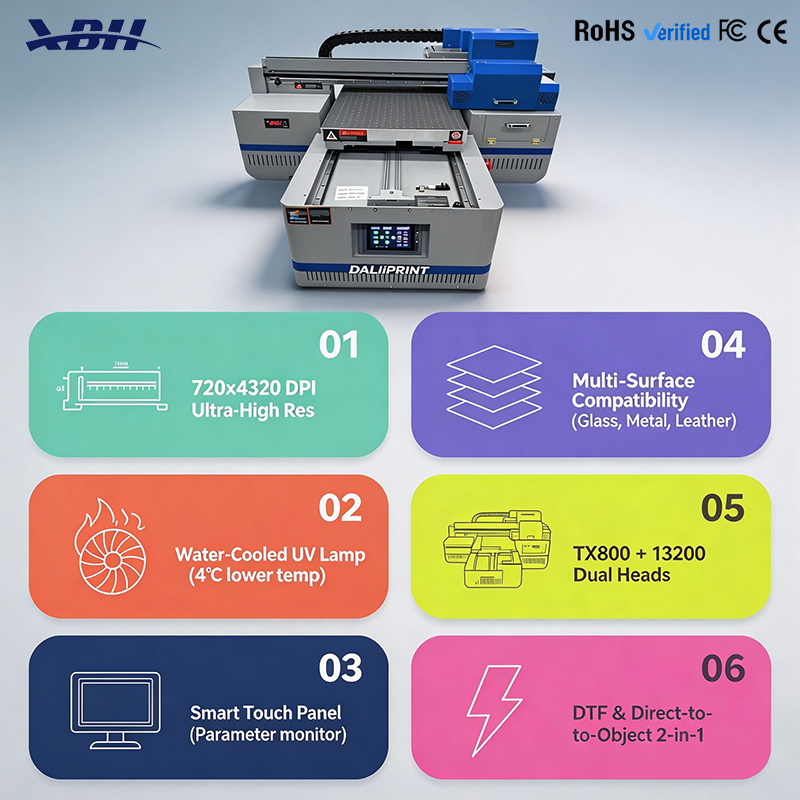
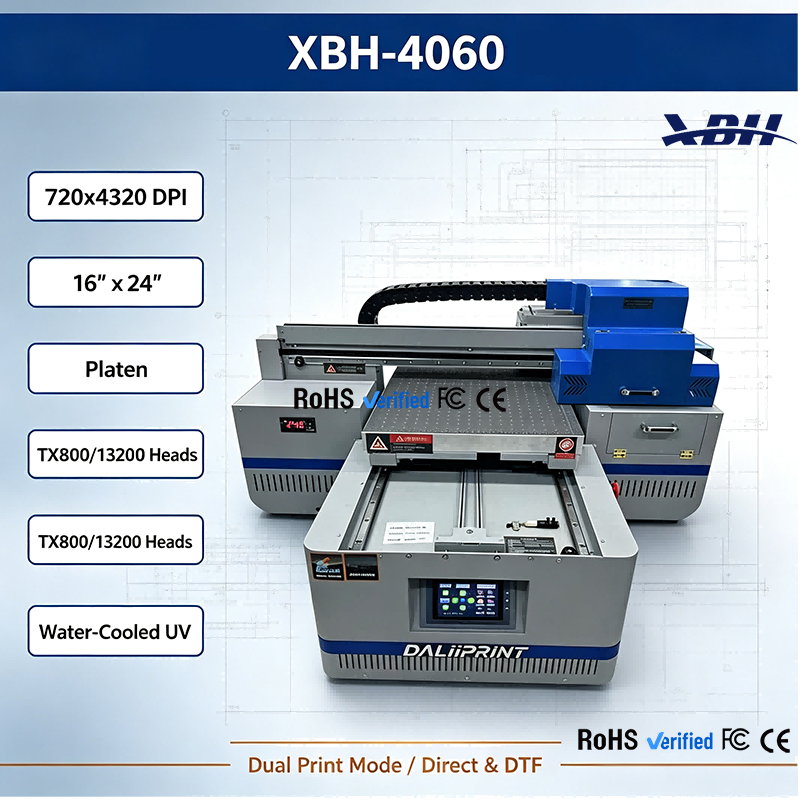
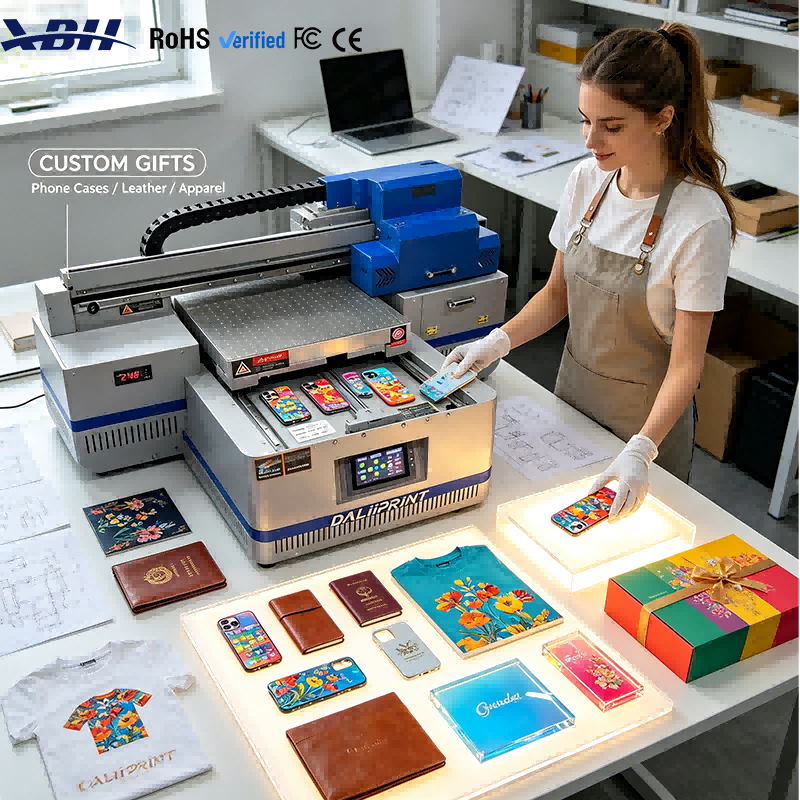
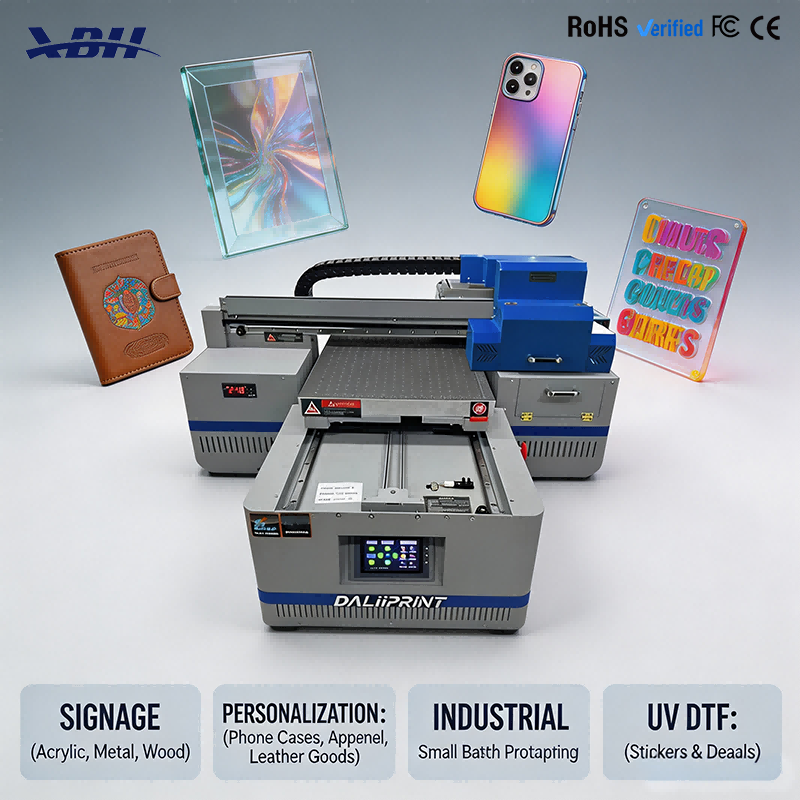
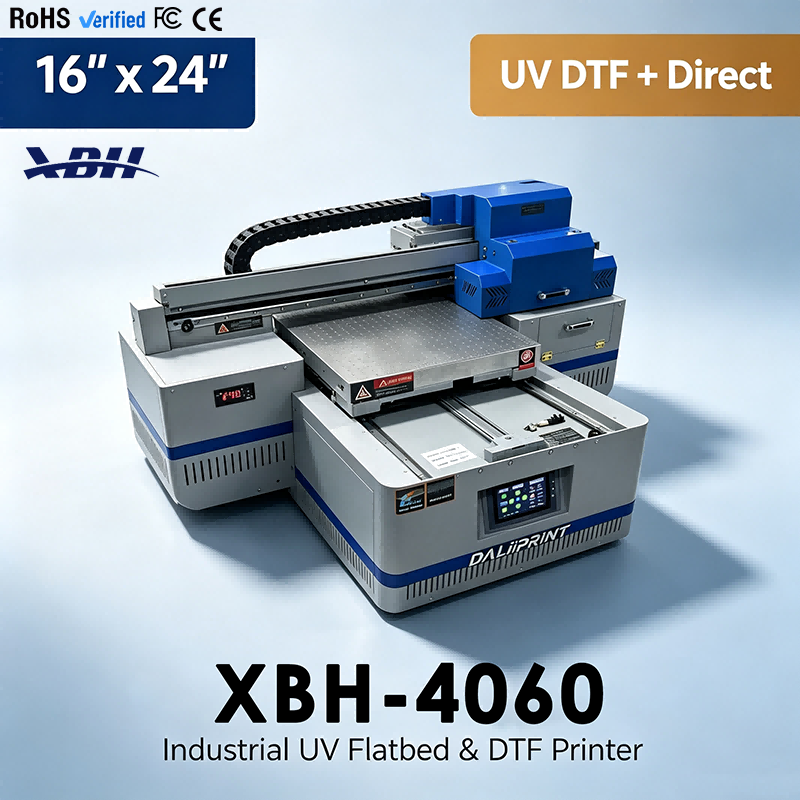
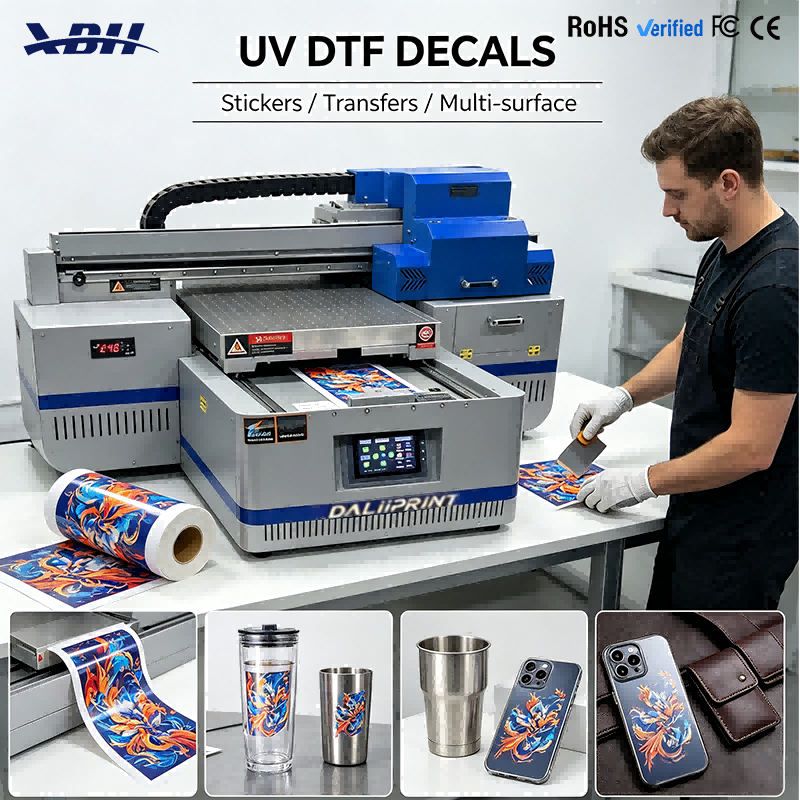
XBH-4060 prints on phone cases, acrylic, wood, metal, leather, glass, ceramic and more — plus UV DTF transfers. One machine, multiple revenue streams. Low entry cost, no minimum orders, high-margin custom products. Perfect for startups, small shops and home businesses.
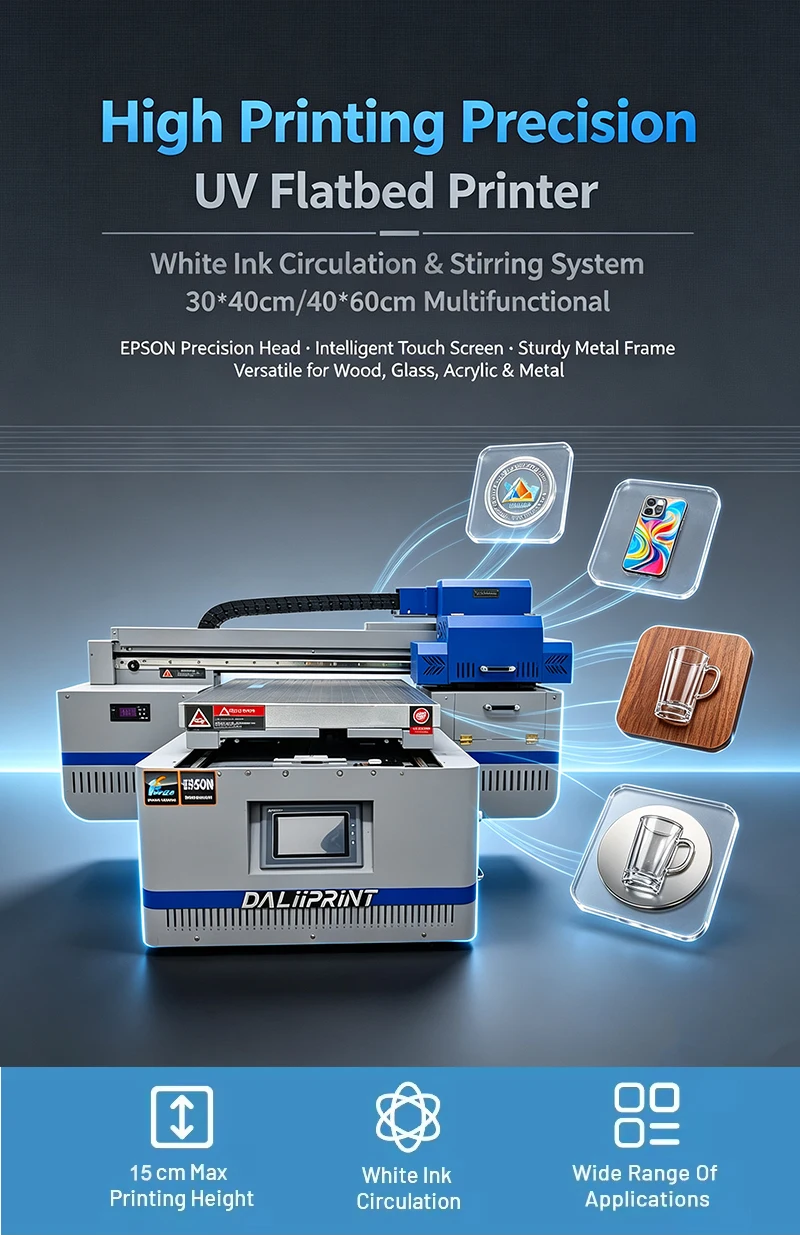



Q: What kinds of products can I make and sell with the XBH-4060?
A: The range is wide because the machine prints on so many materials and supports both direct and DTF modes. Custom phone cases and electronic accessories. Personalized gifts — wooden plaques, photo frames, leather wallets, metal flasks. Acrylic signs, awards and displays. Custom packaging and gift boxes. Ceramic tiles and coasters. Promotional products like pens, keychains and USB drives. UV DTF transfer stickers for bottles, cosmetics and irregular items. One machine lets you offer a broad product catalog, which means you can serve different customer types and spread your revenue across multiple product lines.
Q: How much can I charge for custom UV printed products?
A: Custom UV printed products carry healthy margins because customers pay a premium for personalization and uniqueness. A custom phone case that costs a few dollars in blank material and ink can sell for $20 to $40 or more. A personalized wooden plaque might cost $3 to $5 to make and sell for $25 to $50. Custom acrylic signs and awards have even higher perceived value. The exact pricing depends on your market, competition and product type, but the per-unit cost is low enough that even modest selling prices deliver strong margins. Many UV printing businesses achieve 60-80% gross margins on custom products.
Q: Do I need a lot of startup capital to begin?
A: No, that's one of the advantages of a compact-format machine like the XBH-4060. The machine itself is significantly more affordable than large industrial UV flatbeds. You'll need initial consumables — UV ink, cleaning solution, DTF film if you're doing transfer mode — and a small inventory of blank products to start with. You don't need auxiliary equipment like dryers or ovens because the UV curing is built in. You don't need a commercial space — a spare room or garage works. The total startup cost is low enough that many individuals and small businesses can get started without significant debt or risk.
Q: What skills do I need to run a successful UV printing business?
A: Basic computer skills are the main technical requirement — you need to be able to prepare design files, resize images, add text and arrange layouts. The machine operation itself is straightforward, especially with the smart touch screen and material presets handling most technical settings. You don't need a background in printing or graphic design to get started. The bigger learning curve is usually the business side — finding customers, pricing jobs competitively, managing orders and delivering good service. But the production side is accessible enough that most people are producing sellable quality work within their first few weeks of practice. Many successful UV printing business owners came from completely unrelated fields and learned everything as they went.