
One Printer for Metal, Glass, Ceramic, Acrylic, Leather & Plastic Bottles - Multi-Material UV
Brand XBH
Product origin CHINA
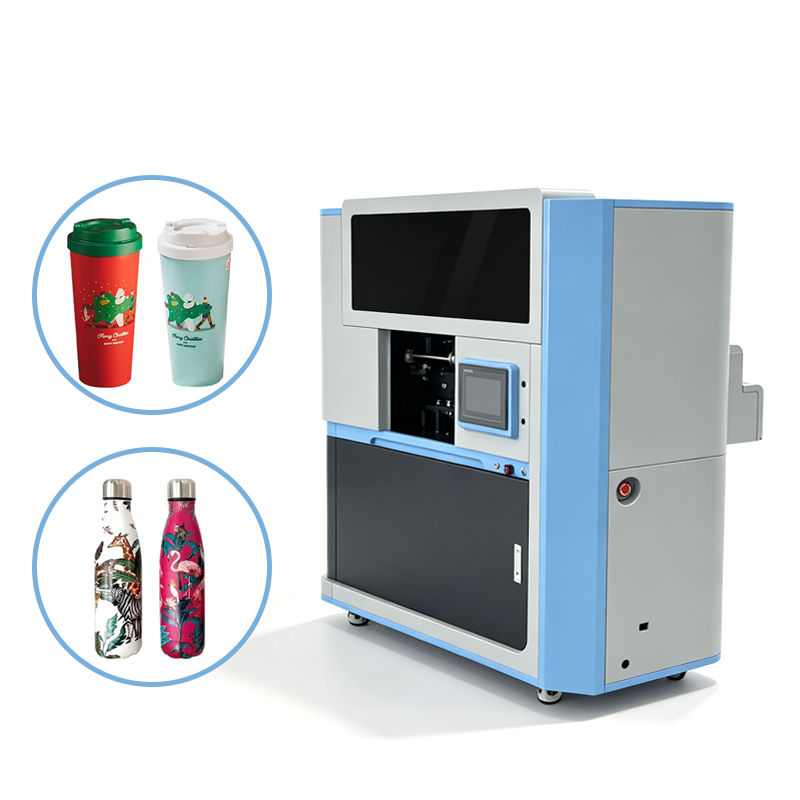
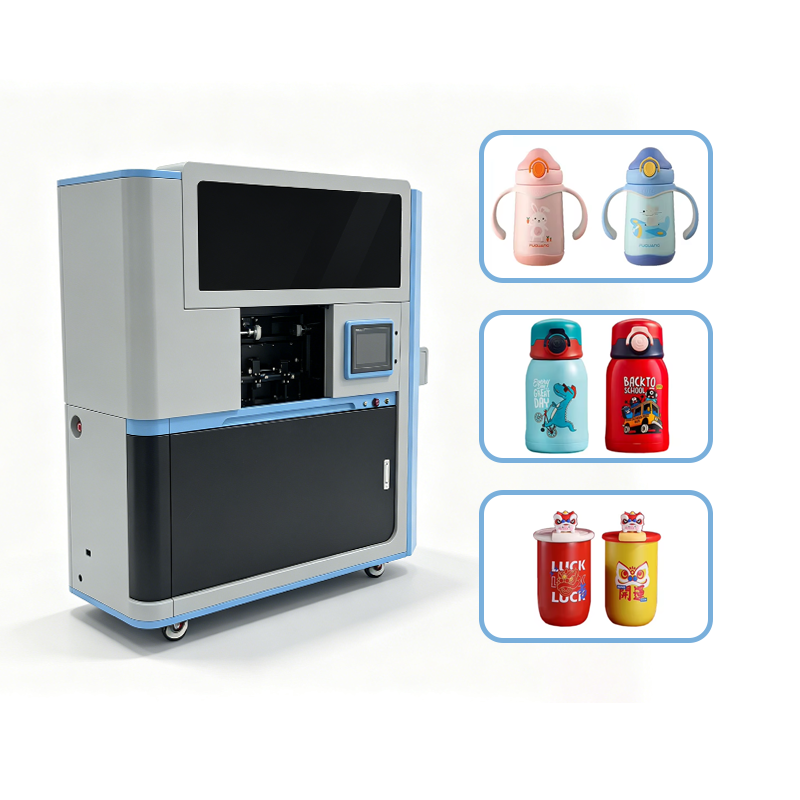
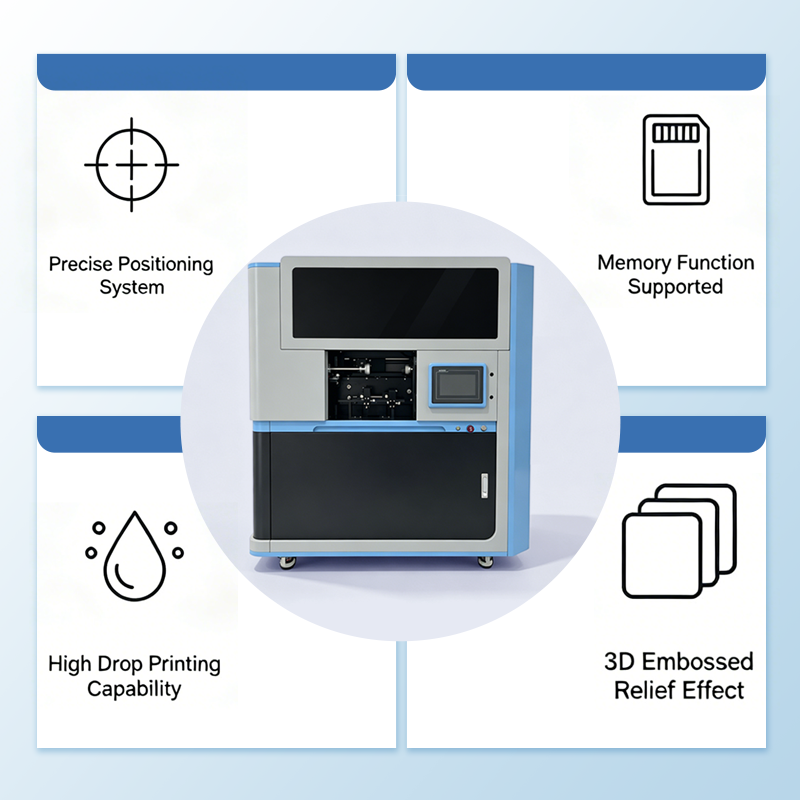
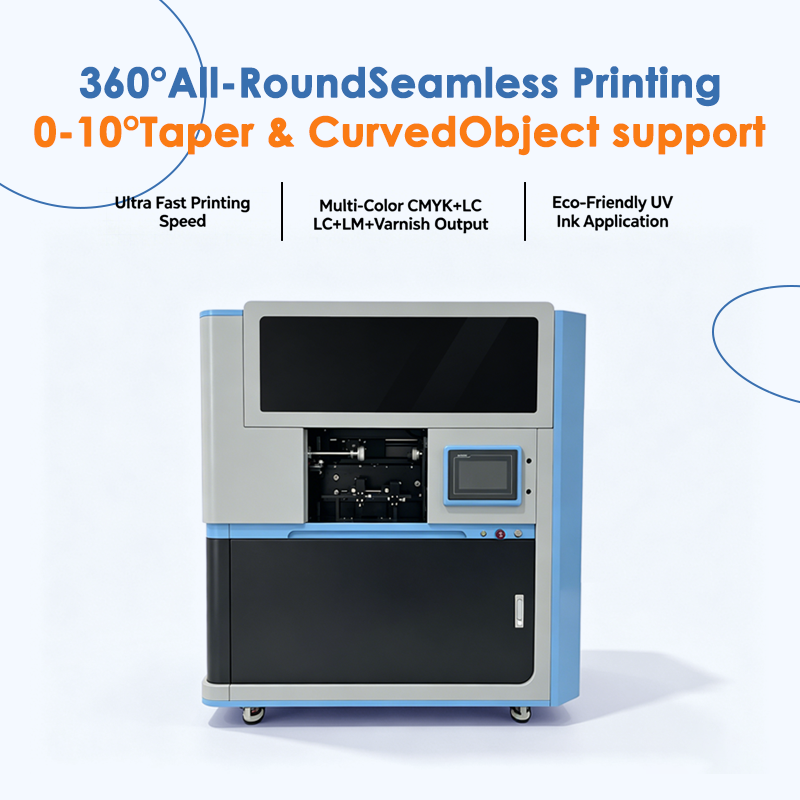
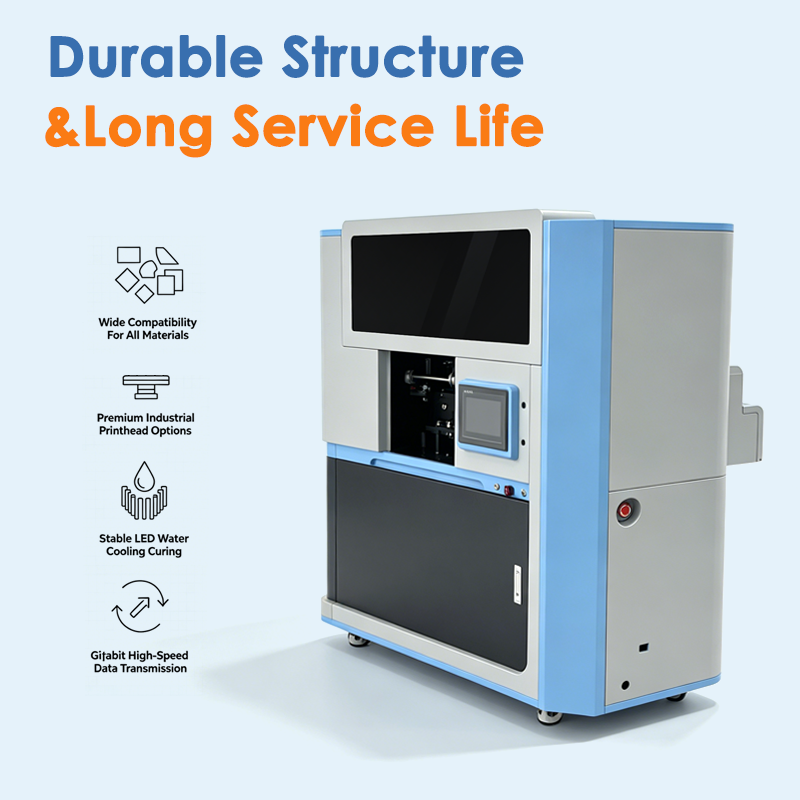
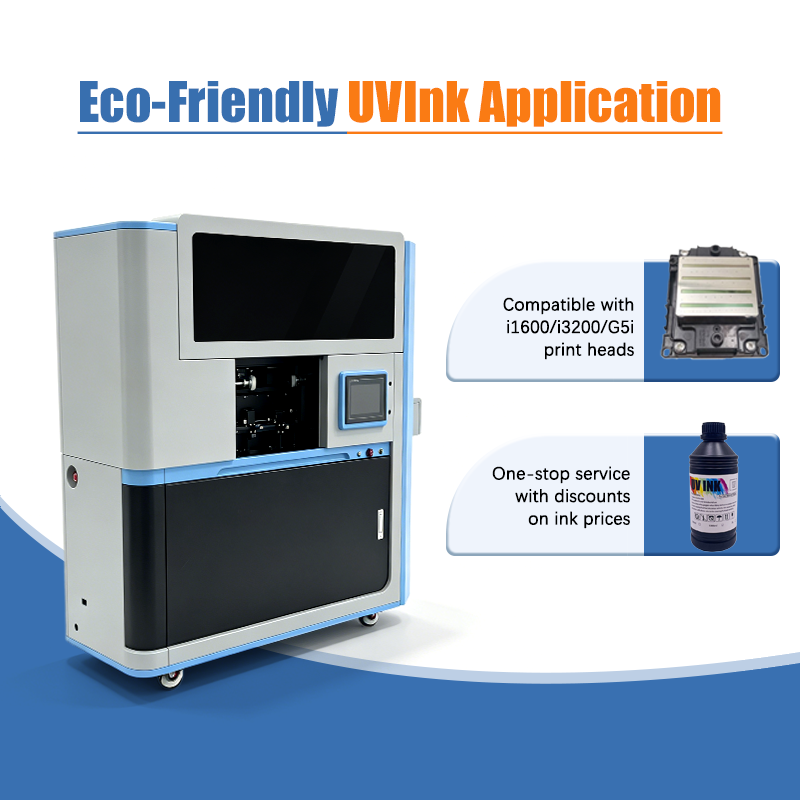
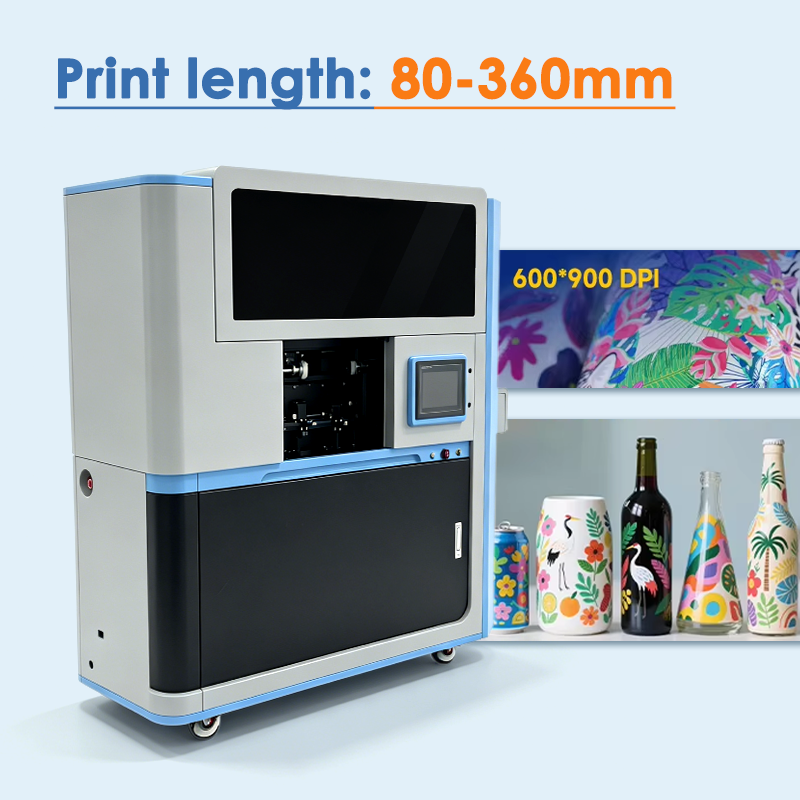
UV ink bonds to a wide range of cylindrical materials — stainless steel and aluminum tumblers, glass wine bottles and jars, ceramic mugs, acrylic containers, leather-wrapped flasks, and plastic cosmetic bottles. The same ink works on all of them, no ink changes when switching materials. One machine covers multiple product categories, so you can expand your product offerings without buying separate equipment for each material type.


Q: Why is conical adaptation important for bottle printing?
A: Many cylindrical products aren't perfectly straight — they taper, meaning the diameter at the top differs from the bottom. Wine bottles have sloped shoulders, many tumblers taper slightly, cosmetic bottles often have conical profiles. If a printer designed only for straight cylinders prints on a tapered bottle, the image distorts: it stretches on the wider end and compresses on the narrower end. Text warps, patterns misalign, and the print looks uneven.
Q: I print steel tumblers now — want to add glass wine bottles, do I need new ink?
A: Same ink, no change. UV doesn't soak in like sublimation — it cures hard on the surface under UV light. Bonds to steel, glass, ceramic, plastic, acrylic, leather, all with the same chemistry. Steel tumbler done? Swap to a glass wine bottle. Then a ceramic mug. Then a plastic cosmetic jar. Same ink tanks, no flushing, no switch. Expanding your product line doesn't mean buying new consumables or learning a new ink system. It's load the new product, print, done.
Q: Does the ink actually hold on aluminum cans AND glass equally well?
A: Both bond strong, just different surfaces. On aluminum, ink grips the metal (bare or coated), cures into a hard scratch-resistant layer — handles stacking, condensation, handling. On glass, bonds to the smooth surface, resists rubbing, chilling, pouring. Different substrates, same durable result. Common thread: once UV-cured, it's a hard inert film — doesn't peel, doesn't smudge, doesn't wash off with normal handling on either material. You're not compromising durability by switching between them.
Q: What about weird stuff like leather-wrapped flasks?
A: Leather works — UV ink cures onto the leather surface. Acrylic too. Plastic cosmetic jars, PET bottles, all good. Only exception: extremely slick, non-porous specialty plastics where adhesion is marginal — a quick wipe with surface primer solves that, but that's an exception, not the rule. For 95% of standard cylindrical products people actually print — tumblers, bottles, mugs, jars, cans, tubes — UV sticks directly, no pretreatment, no extra steps. If you're not sure about a specific material, test one first — that's the beauty of no minimums, test prints are cheap.
Q: My shop offers 6 product types — that's 6 machines, right?
A: One machine, six+ product types. That's the whole point. Custom gift shop offers steel tumblers, glass wine bottles, ceramic mugs, plastic water bottles, aluminum flasks, paper tubes — all on this one machine. Promotional products company adds new cylindrical items to the catalog without capital investment. Versatility = revenue: more product options = more customer orders = more income, all flowing through one piece of equipment. Instead of asking "can we add this product?" you're asking "what should we add next?"