
Premium Direct-Print Wine & Liquor Bottles, No Labels Needed - Glass Bottle UV Cylinder Printer
Brand XBH
Product origin CHINA
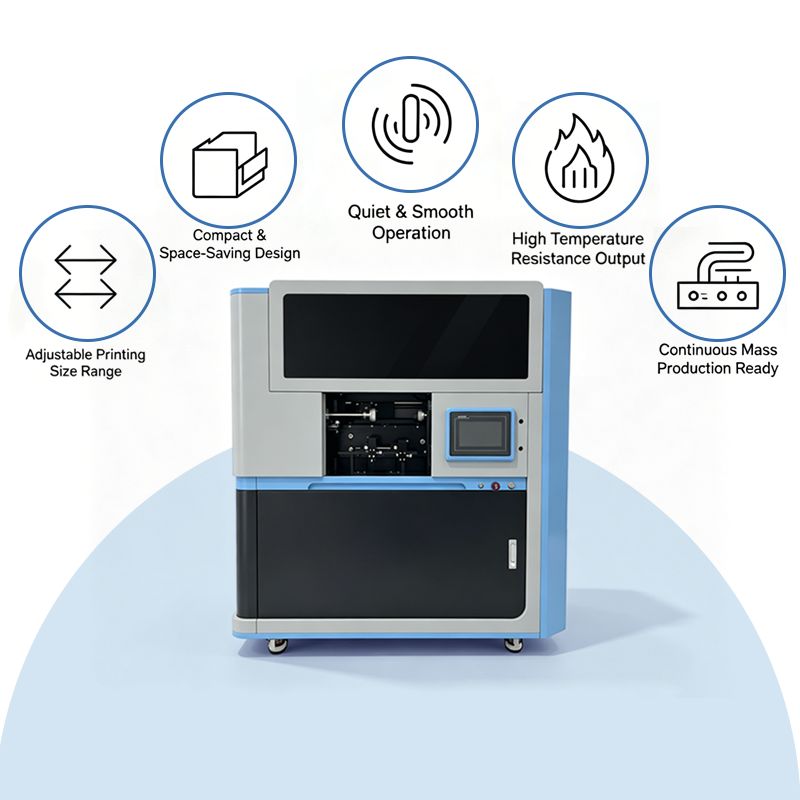
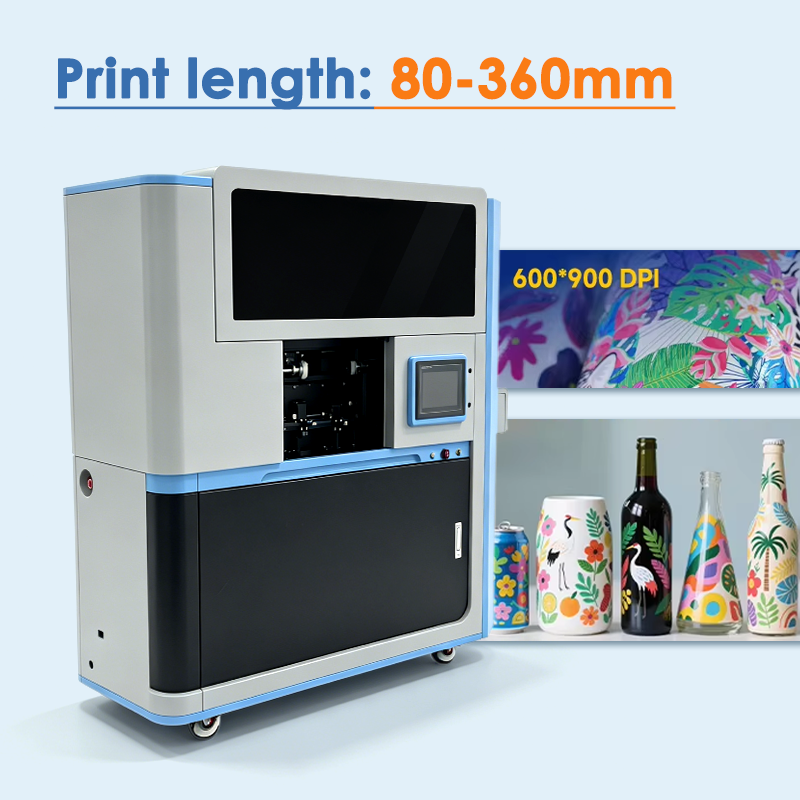
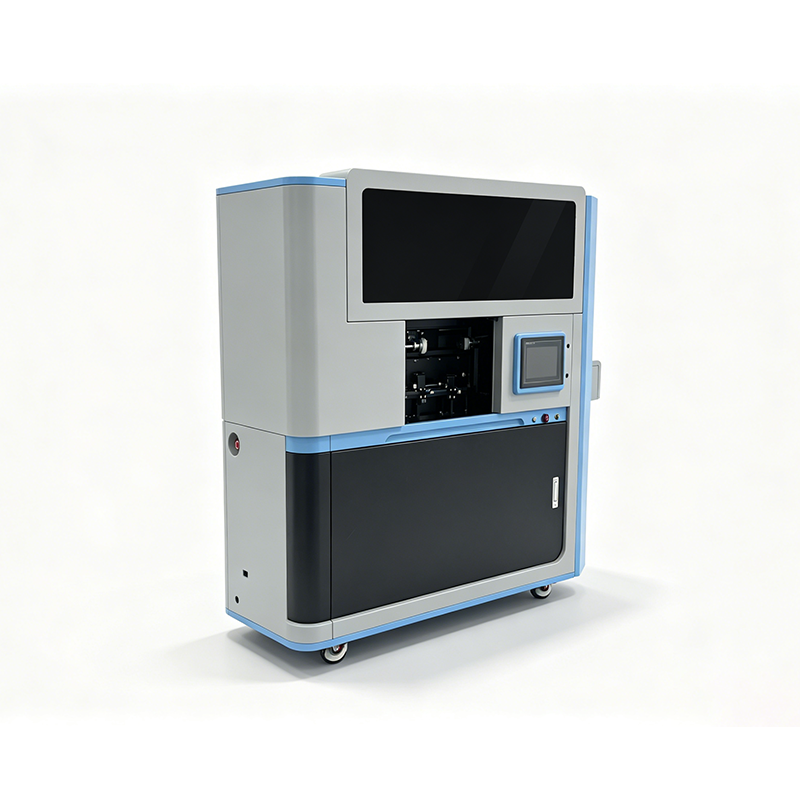
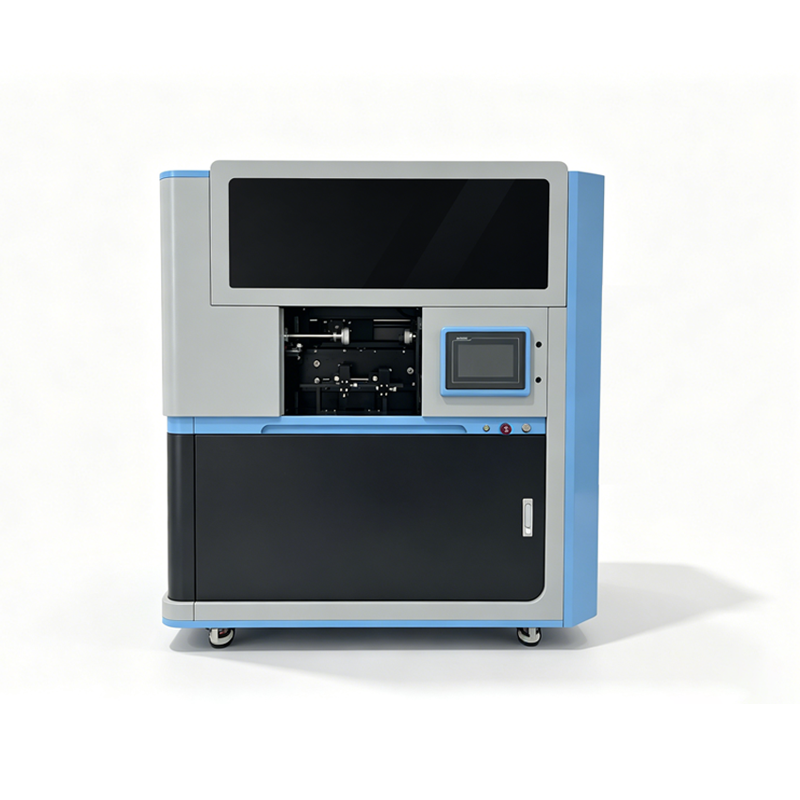
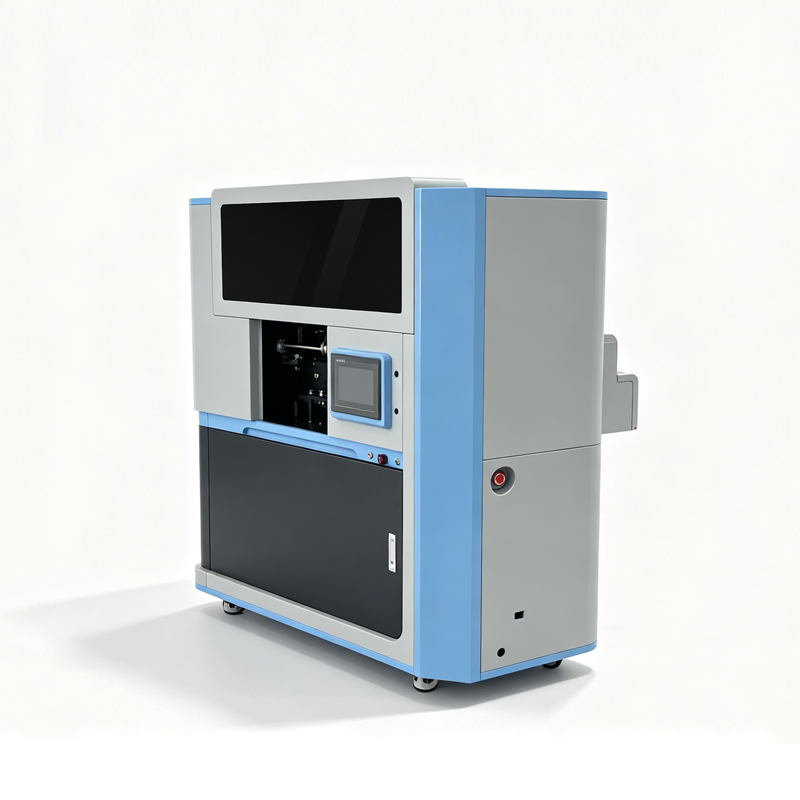
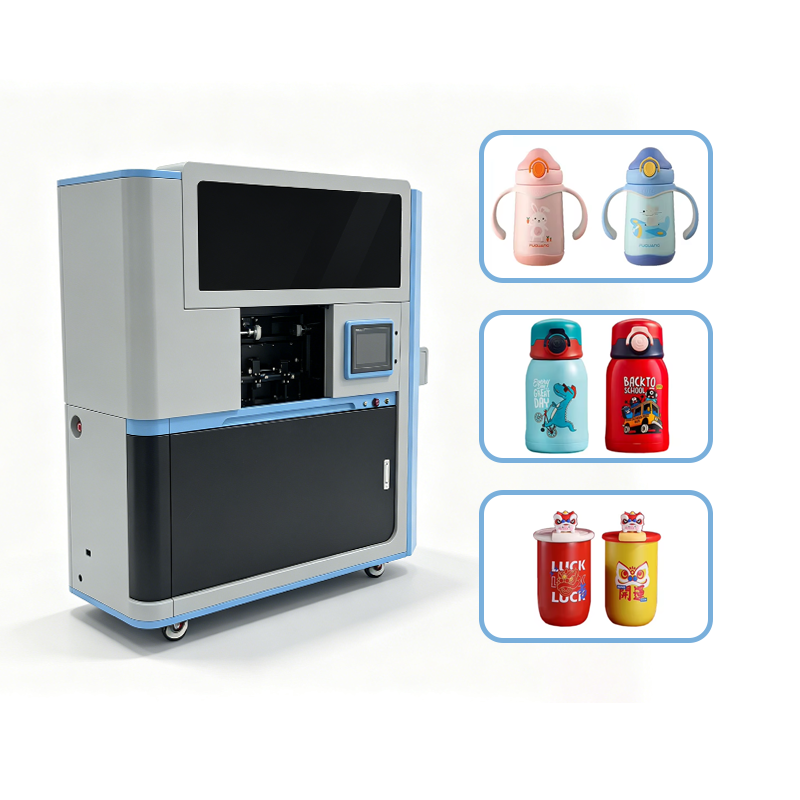
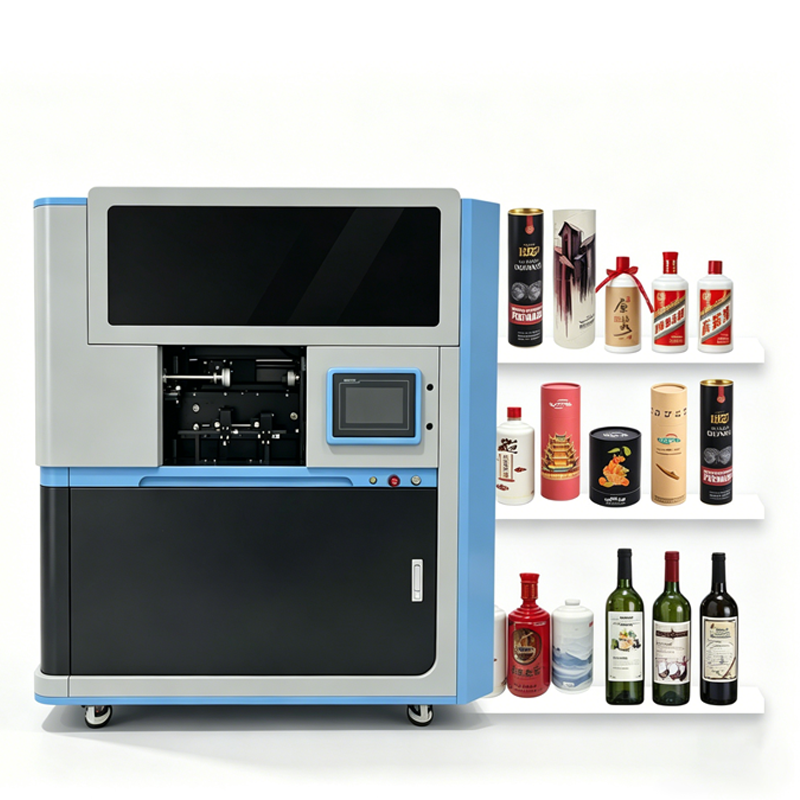
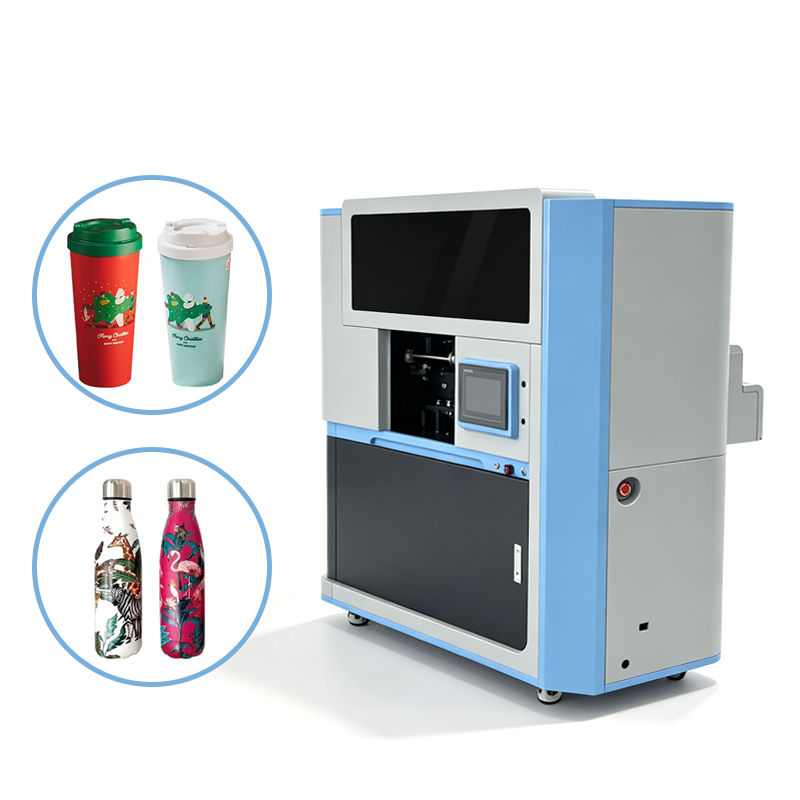
Print full-color, 360-degree designs directly onto glass wine bottles, liquor bottles and spirit containers — no labels to peel, no label edges, no separate application step. Conical adaptation handles sloped bottle shoulders up to 10°. Ideal for boutique wineries, craft distilleries, custom wedding wine, corporate gifting, and limited-edition packaging. Direct printing on glass gives a premium, seamless look that stands out on the shelf.


Q: Why is conical adaptation important for bottle printing?
A: Many cylindrical products aren't perfectly straight — they taper, meaning the diameter at the top differs from the bottom. Wine bottles have sloped shoulders, many tumblers taper slightly, cosmetic bottles often have conical profiles. If a printer designed only for straight cylinders prints on a tapered bottle, the image distorts: it stretches on the wider end and compresses on the narrower end. Text warps, patterns misalign, and the print looks uneven.
Q: The bride wants each guest's name on a wine bottle — 80 bottles, can I pull that off in a weekend?A: Load bottle, type name, print, next one. Saved settings mean you're not re-adjusting speed or height between bottles — you're just swapping names. 80 bottles in a weekend is realistic, not a marathon. The ink is on the glass, not a sticker, so when Uncle Bob drops his in the ice bucket at the reception, it doesn't peel. Guests actually keep these bottles as mementos instead of tossing them after the toast. You're charging per-bottle pricing for something that costs you minutes of machine time and a few cents of ink.
Q: I store bottles in a damp cellar and every label I've ever used looks terrible after two months — what happens with this?A: There's no adhesive, no paper, no edge to lift. Ink is cured into the glass surface. Damp air, condensation, bottles rubbing against each other in a rack — none of it gets under the print because there's no "under." Pull a bottle out after six months in the cellar, wipe it off, the artwork is still sharp. A sommelier pouring behind a bar with wet hands? Doesn't smudge. The bottle looks the same going out as it did coming off the printer. For a wine brand, that consistency is part of the product experience — you don't want a customer receiving a gift bottle that looks like it's been through a flood.
Q: I make 150 bottles of a special release twice a year — the bottle printer wants 5000 minimum, are you kidding me?A: 150 is not a problem, it's a normal Tuesday. Blank bottles are cheap, print your artwork directly onto them in whatever quantity you actually made. No garage full of pre-printed bottles with a design you decided was wrong. No waiting eight weeks for a factory run. You design it Sunday, print it Monday, sell it at the Saturday tasting. That speed is how small brands build buzz — limited drops, collaboration bottles, holiday editions, all with packaging that looks like you ordered from a fancy bottle house. Your customers can't tell the difference between your 150-batch direct print and a 50,000-batch factory print, and your cash flow will thank you for not tying up money in inventory.
Q: The shoulder on a Burgundy curves a lot — if I put text up there, will it get all stretched and weird?A: Measure the angle, punch it in, and the machine handles the math. Wide part of the shoulder spins a touch slower, narrow part spins a touch faster, so every square millimeter gets the same ink. Text at the bottom of the bottle and text near the shoulder come out the same size — no fat letters on one side, skinny letters on the other. Most Burgundy and Bordeaux shoulders land between 5 and 8 degrees, well inside the 10-degree limit. You can run a design that starts on the body and flows up onto the shoulder as one continuous piece, no break, no distortion. It looks intentional, not like you tried to print a flat label on a curvy bottle.