
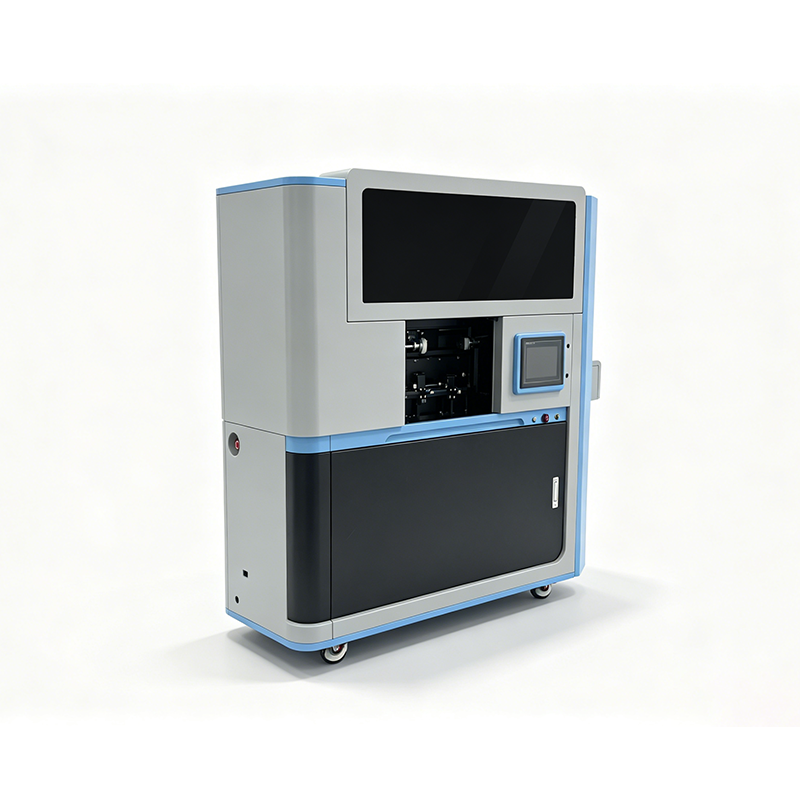
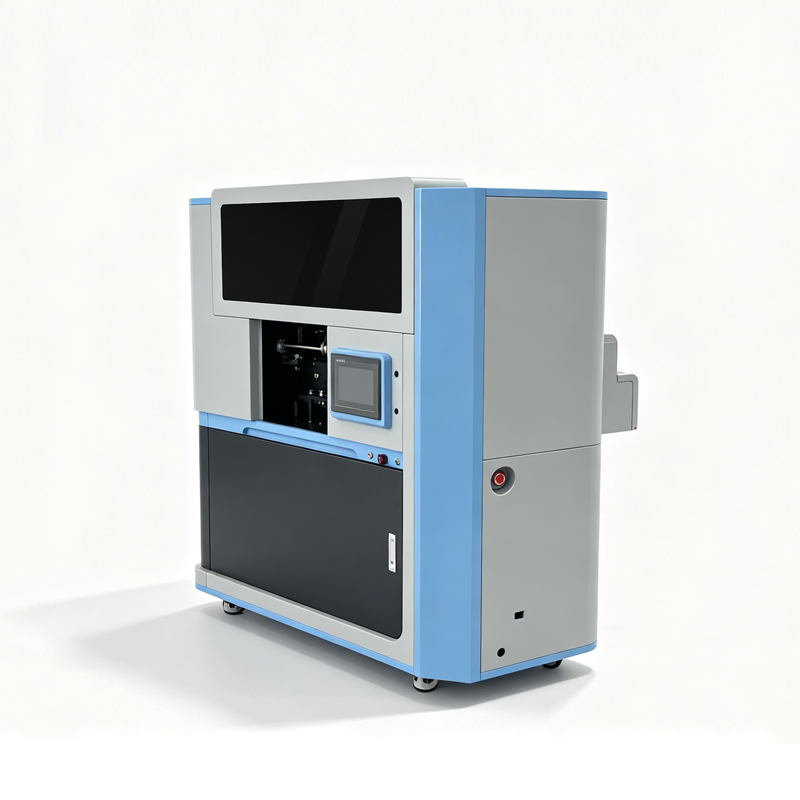
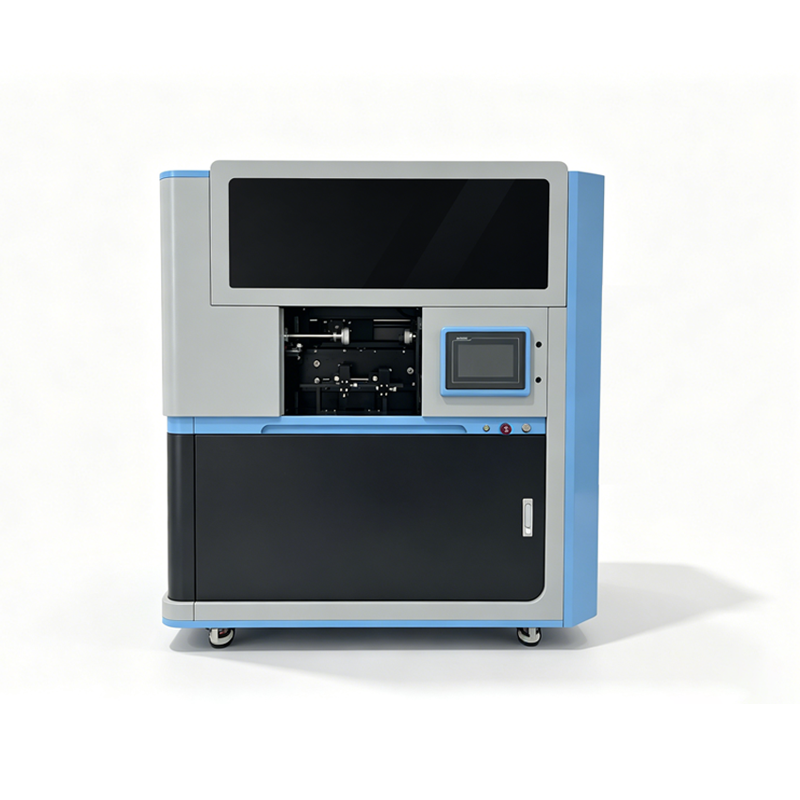
Roast 80 Cans of Coffee Monday, Print Custom Canisters Tuesday — No Factory Minimums, No Labels
Brand XBH
Product origin CHINA
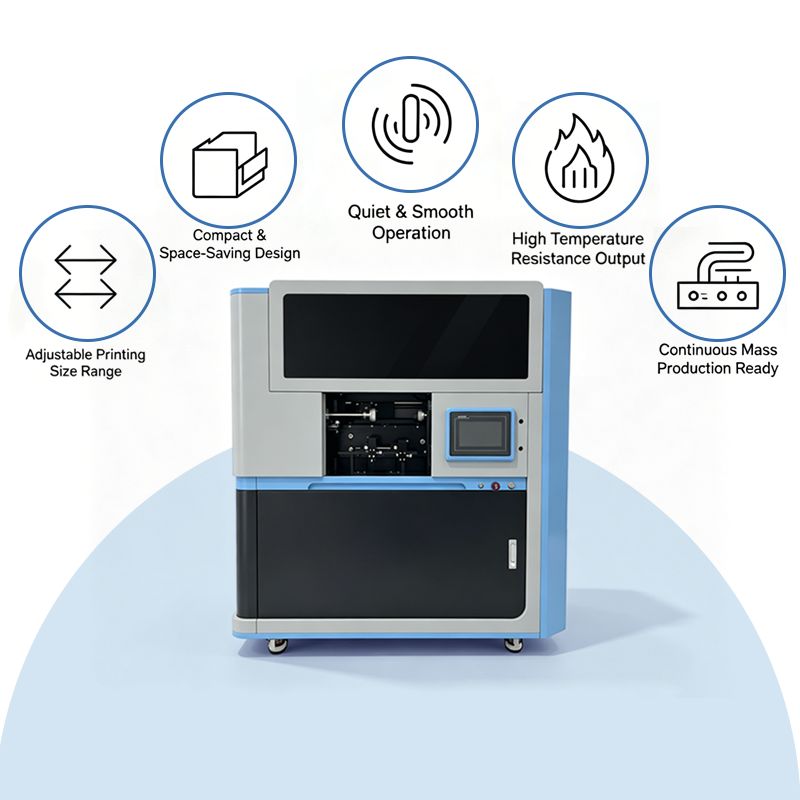
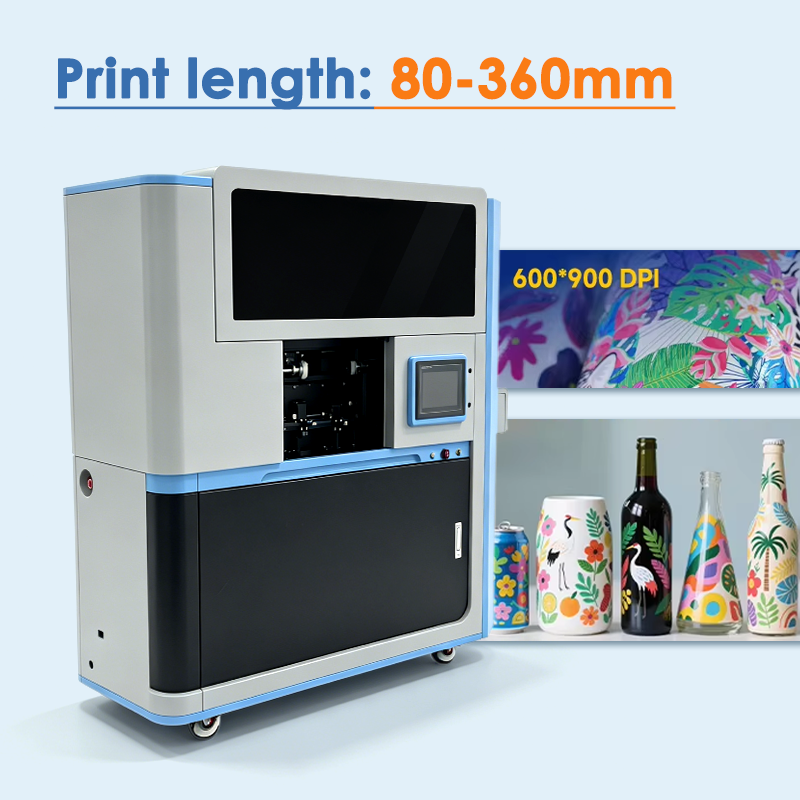
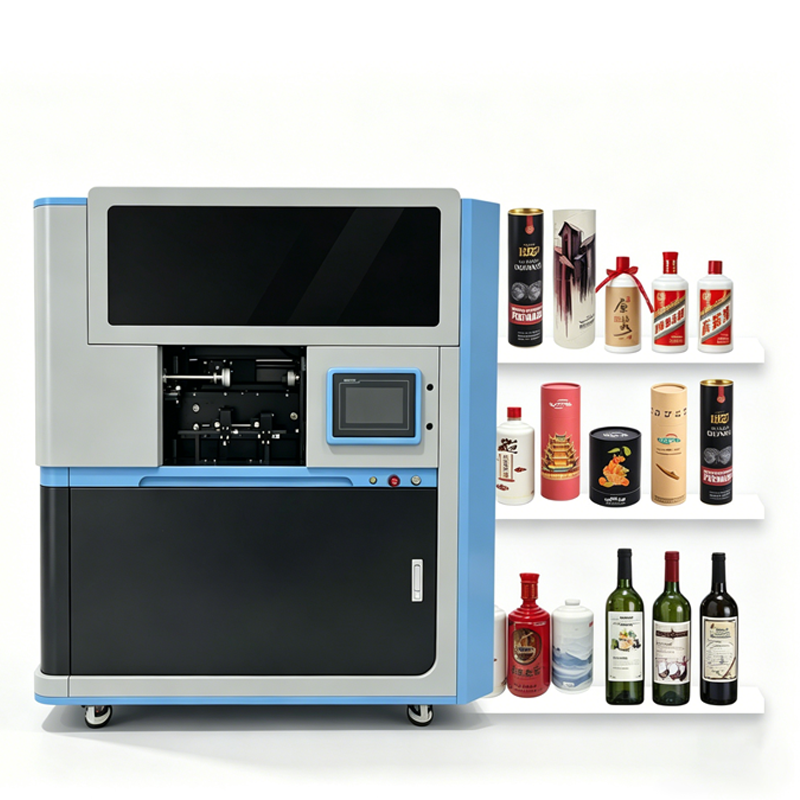
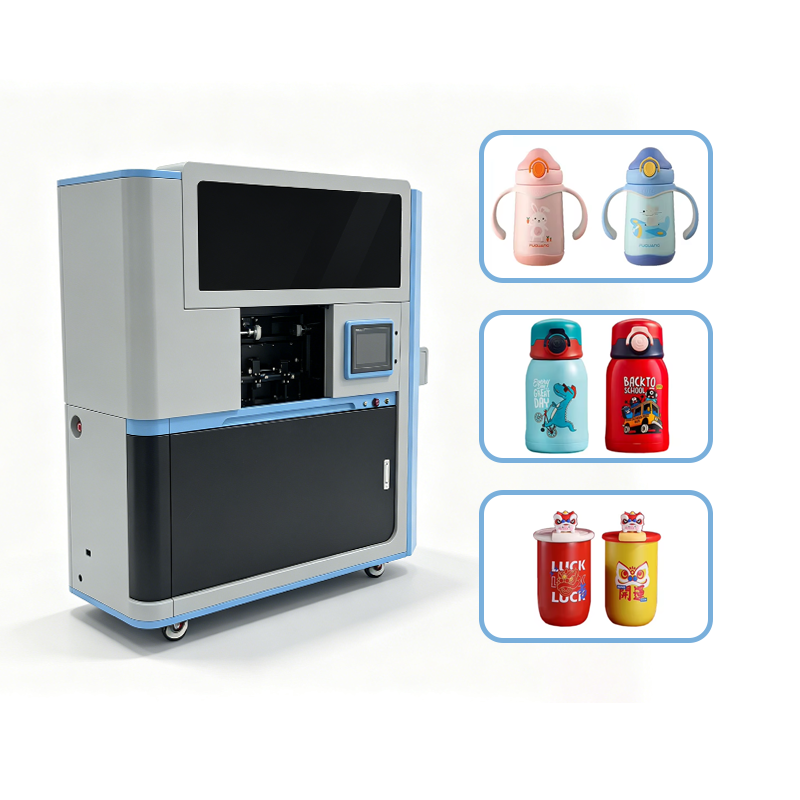
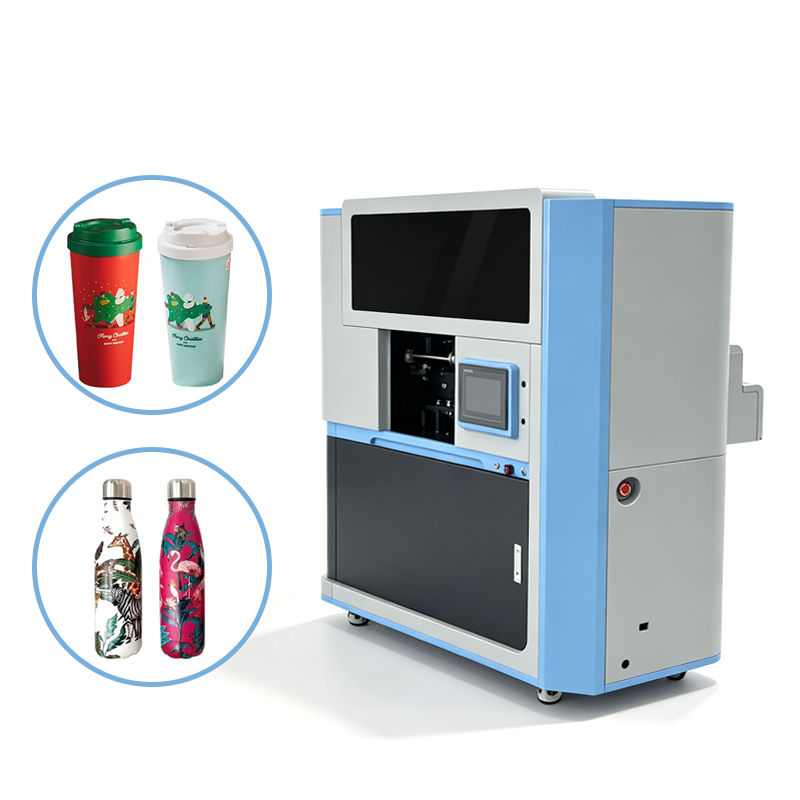
A specialty coffee roaster does 80-can lots — the can printer wants 5000 minimum, so they've been using plain cans with handwritten stickers. This machine prints full-color artwork directly onto blank aluminum cans and composite paper tubes in quantities of 50, 80, 120. Ink cures instantly so cans go straight to packing. Craft breweries do 120-can taproom exclusives. Tea companies print premium tubes that look like high-end packaging, not home operations. Exterior printing only — interior food-safe lining handles the rest, same as factory cans.


Q: Why is conical adaptation important for bottle printing?
A: Many cylindrical products aren't perfectly straight — they taper, meaning the diameter at the top differs from the bottom. Wine bottles have sloped shoulders, many tumblers taper slightly, cosmetic bottles often have conical profiles. If a printer designed only for straight cylinders prints on a tapered bottle, the image distorts: it stretches on the wider end and compresses on the narrower end. Text warps, patterns misalign, and the print looks uneven.
Q: I roast coffee in 60-can batches and the canister supplier wants 5000 printed minimum — I've been using plain cans with Avery labels, it looks awful.A: 60-can batches are not a problem, they're a normal week. Buy blank aluminum canisters or composite paper tubes, print your roast label directly onto them in whatever quantity you actually roasted. A single-origin Ethiopia lot? 60 cans, custom label with farm name, altitude, tasting notes. A house blend? 150 cans. A holiday special? 40 gift cans with a festive design. No garage full of pre-printed cans with a design you're sick of. No waiting a month for a factory run. You roast Monday, print Tuesday, sell at the farmers market Saturday. That "small batch, roasted this week, printed in-house" story is marketing gold, and the can looks like it came from a premium roaster, not a garage operation with sticky labels.
Q: A craft brewery needs 120 cans for a taproom-only hazy IPA — can I actually print on aluminum beverage cans?A: Blank aluminum cans are cheap and available everywhere. Print your label art directly onto them — full wrap, all the way around, no seam, full color. A hazy IPA with a psychedelic illustration? Prints vibrant. A stout with a dark, detailed linocut? Prints rich. A lager with clean typography and a minimal logo? Prints crisp. Ink cures hard on aluminum, resists condensation when the can is ice cold, handles stacking in a cooler or fridge. 120 cans for a taproom exclusive, done in a shift. The brewery gets custom cans that look like they ordered 100,000 from a can manufacturer — you get a job that a label-only shop would pass on because applying 120 labels by hand is tedious and they'd look worse with bubbles and crooked edges.
Q: The ink is on a food can — am I going to get a visit from the health inspector?A: It's on the outside. The inside of every food can has a food-safe lining — that's the barrier between the food and everything outside, including the ink. This is exactly how every factory-printed food can on every grocery store shelf works. They print on the exterior, line the interior, done. For the rim area where print might get close to where food touches, keep artwork below the rim line — standard practice, same as factory printing. Or use a food-safe overcoat if you want to print closer to the top. For standard exterior printing — body of the can, label area, nowhere near the food — UV ink is a widely used, accepted method. Check your local regulations if you're nervous, but this isn't experimental; it's standard industry practice used by every major food brand on the planet.
Q: What about paper tubes for tea and snacks — can I print on those, or is it only metal cans?A: Paper composite tubes print beautifully. UV ink bonds to the paper surface — full-color designs, photographic images, brand patterns, whatever. A premium tea tube with a watercolor mountain illustration? Prints soft and rich. A snack tube with bold, graphic branding? Prints punchy. A coffee tube with a detailed landscape photo? Prints clear. Cardboard mailing tubes, gift pack tubes, food-grade composite cans — all within the size range, all printable. For a specialty food brand, custom-printed packaging is what makes a $10 tea tube feel like a $25 gift item. Instead of plain tubes with sticky labels that peel at the edges and look cheap, you get a seamless, full-wrap print that looks like it came from a high-end packaging house — and you can do it in quantities of 50, not 5000.