
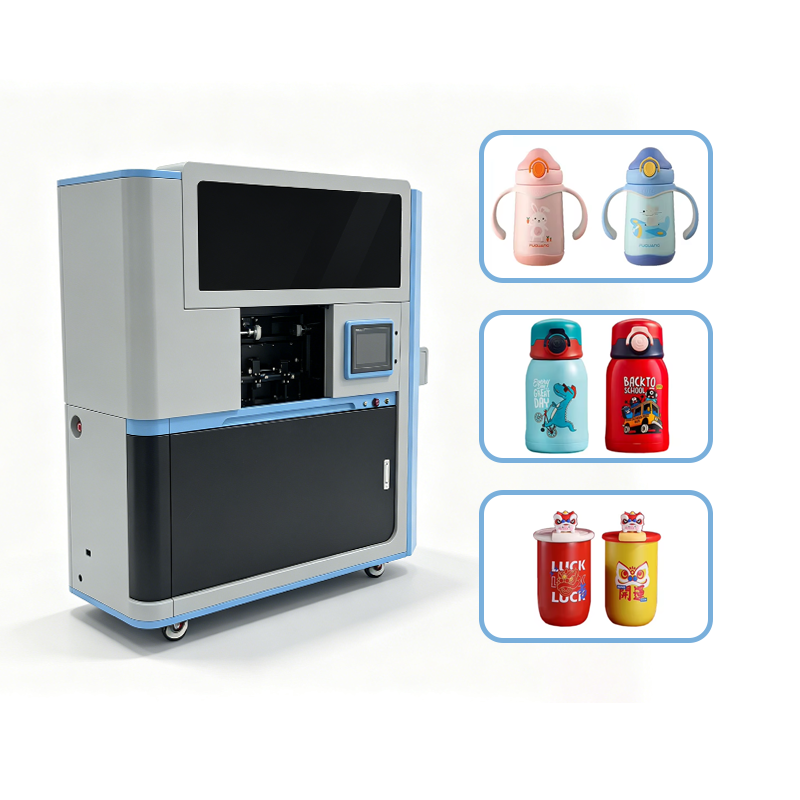
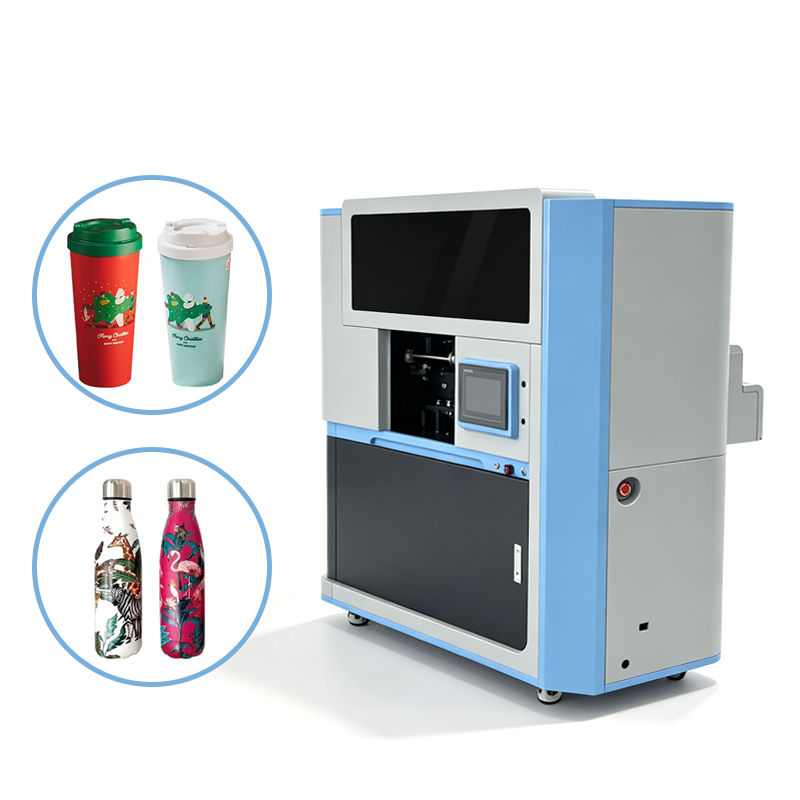
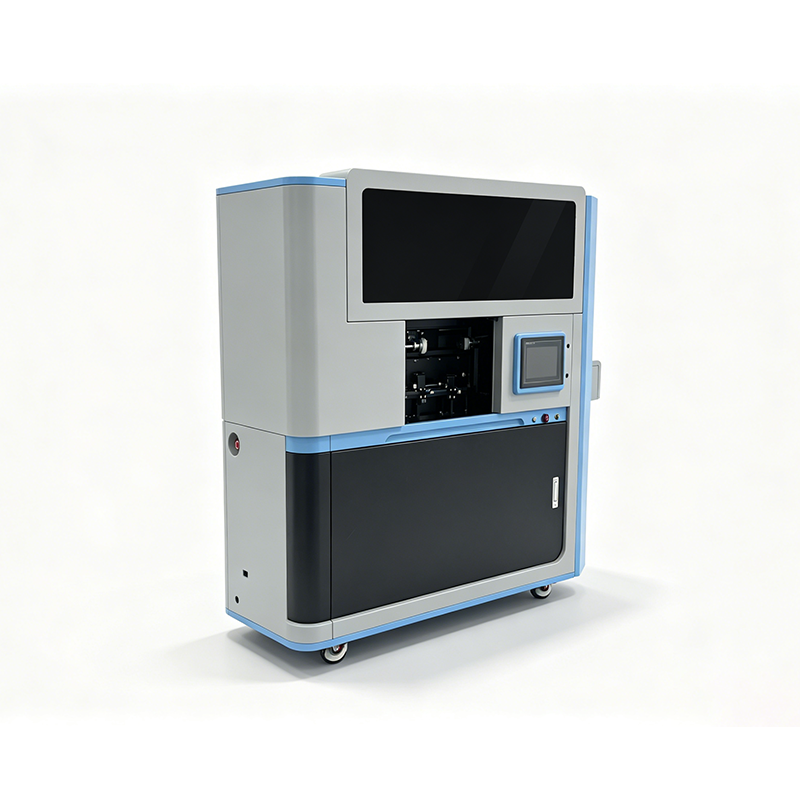
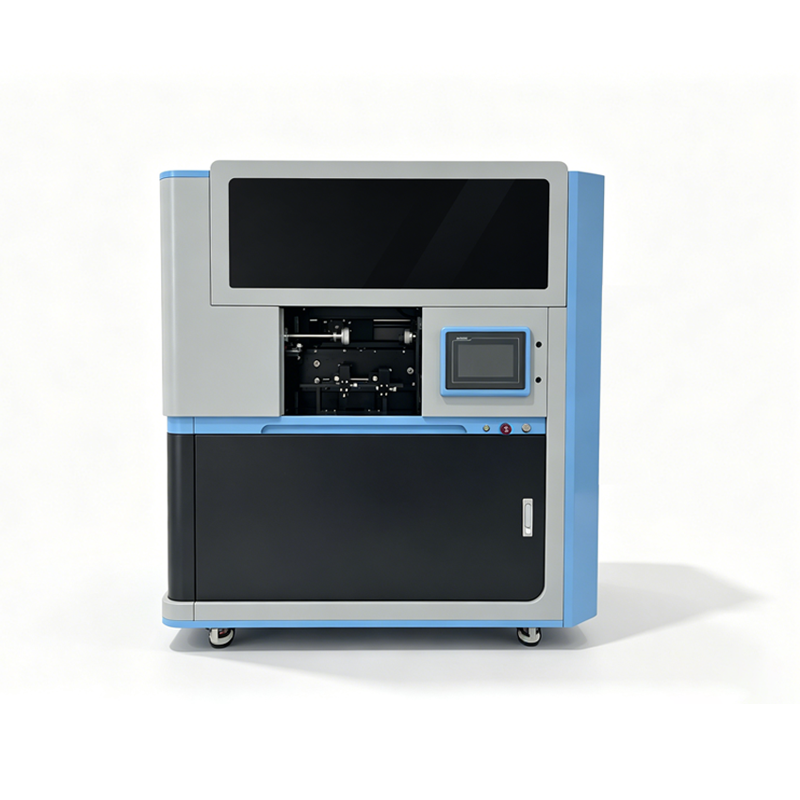
Fits in a Spare Bedroom, Rolls on Casters, Set Up in an Afternoon — No Engineer Required
Brand XBH
Product origin CHINA
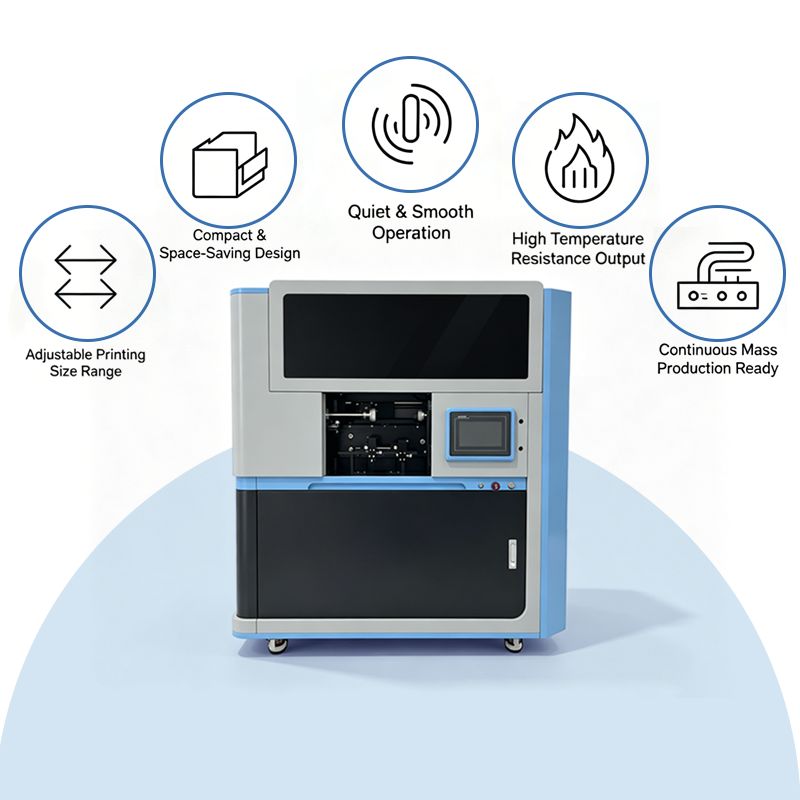
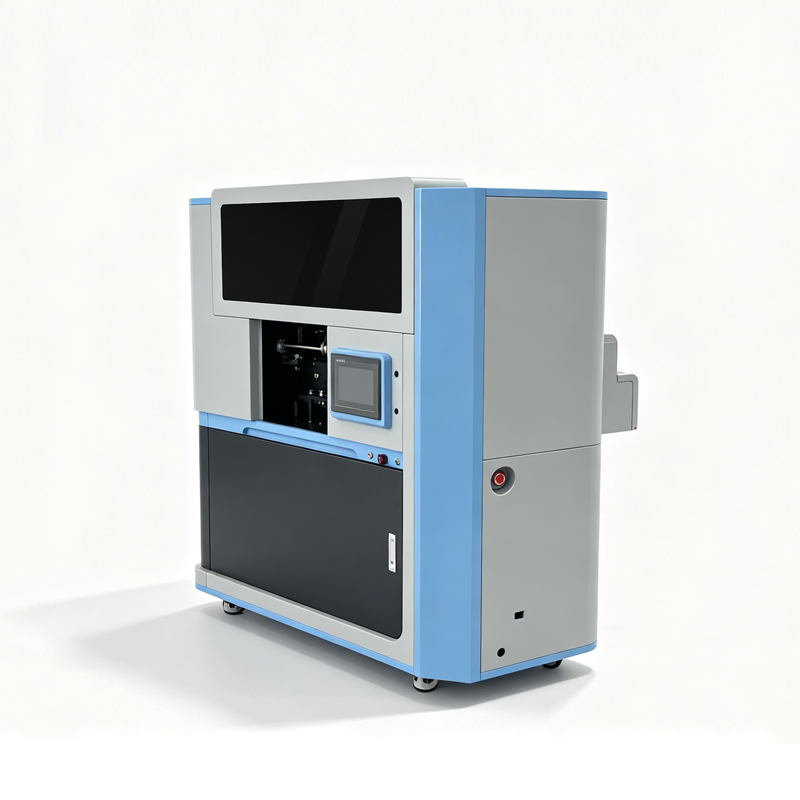
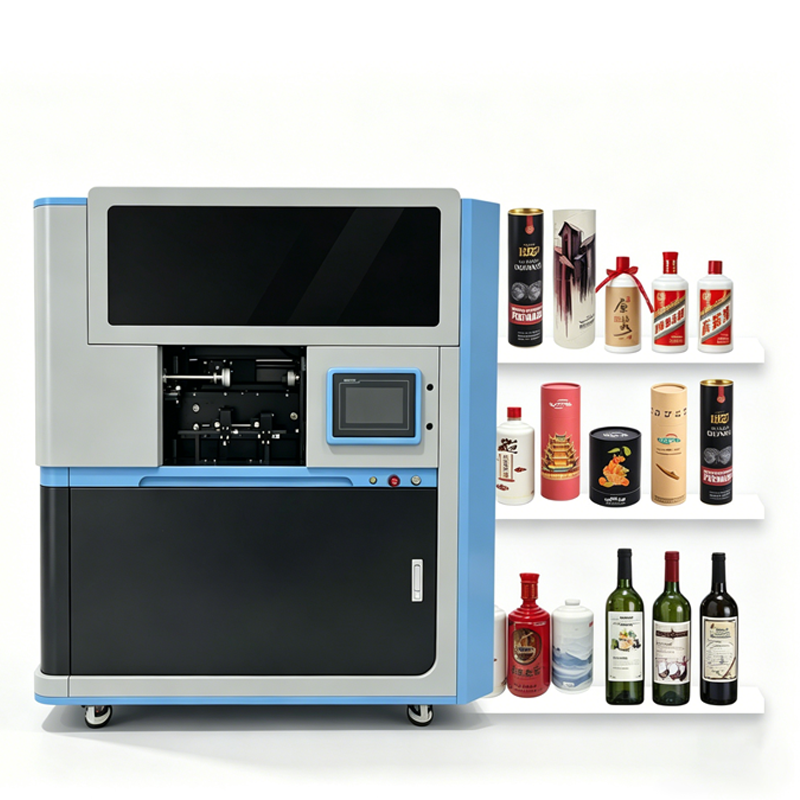
1530mm cube, 350kg — about the footprint of a large desk, fits in a spare bedroom corner or garage nook with 3×3 meters of working space. Caster wheels mean one person rolls it into place and locks it — no team needed, no lifting. Setup: uncrate, plug in, load ink, follow touchscreen prompts for calibration, run a test bottle — a few hours, no technician on-site. Needs a clean dry room, normal room temperature, basic ventilation, dedicated grounded outlet. Most garages and spare rooms already meet these requirements.


Q: Why is conical adaptation important for bottle printing?
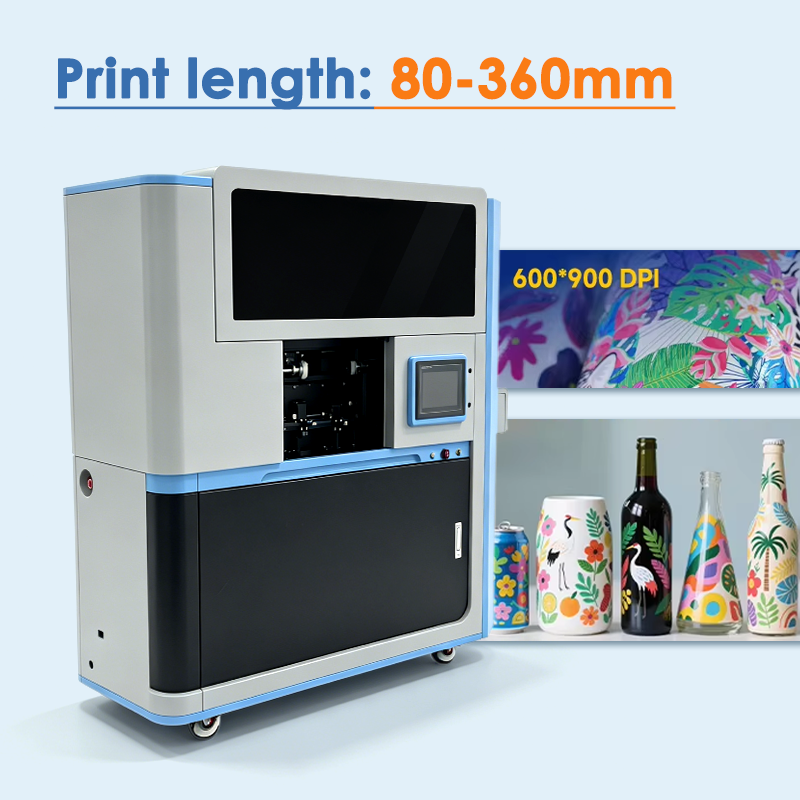
A: Many cylindrical products aren't perfectly straight — they taper, meaning the diameter at the top differs from the bottom. Wine bottles have sloped shoulders, many tumblers taper slightly, cosmetic bottles often have conical profiles. If a printer designed only for straight cylinders prints on a tapered bottle, the image distorts: it stretches on the wider end and compresses on the narrower end. Text warps, patterns misalign, and the print looks uneven.
Q: I'm converting a spare bedroom into a tiny print shop — will this thing even fit through the door, and once it's in, will I have room to actually work?A: It's 1530mm on each side — about five feet, roughly the footprint of a large executive desk. Standard interior door is 800mm, so you'll either assemble in the room or need a wider entrance, but that's manageable. Once it's in place, add working room around it — space in front to load and unload bottles, a little on the sides to reach ink tanks and do maintenance, a bit behind for power cords and ventilation — and a 3 × 3 meter corner is comfortable. That fits in a spare bedroom, a garage corner, a basement nook, a corner of a retail back room. You don't need a commercial warehouse or a dedicated production facility with loading docks. Roll it in, lock the wheels, plug it in, and you're in business. This is how small shops start — not with a factory, but with one machine in a spare room.
Q: It says 350kg — I work alone, am I going to need to call three friends and rent a dolly every time I want to move it three feet?A: You don't lift it, you roll it. Caster wheels are mounted on the base — unlock them, and one person can roll it on a flat hard floor. Need to move it three feet to the left for better access to the outlet? Roll it. Need to get behind it to vacuum the floor? Roll it forward, clean, roll it back. Rearranging the shop because you bought another piece of equipment? Roll it to the new spot, lock the wheels. The 350kg weight is actually a benefit during operation — heavy means stable, no vibration, no "walking" across the floor during high-speed printing. That stability directly translates to better print quality because nothing is shaking. The casters solve the mobility problem without sacrificing that weight benefit. Just don't try to pick it up, and don't roll it over thick shag carpet or uneven cracked floors — flat, hard surfaces only.
Q: I'm not a technician, I'm a print shop owner — can I actually set this thing up myself, or do I need to fly someone in?A: Setup is designed for regular people, not engineers. Uncrate it, roll it into place, lock the wheels. Plug in the power cord — check the voltage matches your country (220V or 110V, it'll be in the manual). If the printhead didn't come pre-installed, mount it — a few screws, two cables, instructions with pictures that show you exactly what goes where. Pour ink into the tanks. Turn it on. The touchscreen walks you through the rest step by step: head alignment, ink priming, a test print. Follow the prompts, look at the test bottle, adjust if needed. Whole process takes a few hours, not days. If you get stuck, remote support is available — someone can walk you through it by video call. You don't need an engineering degree or a technician on-site. If you can set up a home printer and follow step-by-step instructions, you can set this up.
Q: What does my space actually need — special 3-phase power? A ventilation hood? A clean room?A: Normal stuff, mostly. Clean and dry — avoid a dusty area because dust gets into the printhead and ruins prints, and avoid a damp basement because moisture affects electronics and ink. Avoid direct sunlight because it can interfere with the UV curing lamps. Room temperature between about 18 and 28 degrees Celsius (65-82°F) is the sweet spot — too cold and the ink gets thick and doesn't flow right, too hot and the electronics and UV lamps work harder and wear faster. Ventilation: a well-ventilated room is good for operator comfort with any UV printing equipment — an open window, a ceiling fan, normal HVAC circulation is usually enough. Power: a dedicated grounded outlet with surge protection is recommended — don't daisy-chain it off a power strip with five other devices drawing power. Specific voltage and amperage are in the manual. Flat, level floor. That's it. Most garages, spare rooms, and small workshops already meet all of this without any modifications. You're not building a clean room or installing industrial ventilation or running 3-phase power — you're setting up a production machine in a normal workspace.