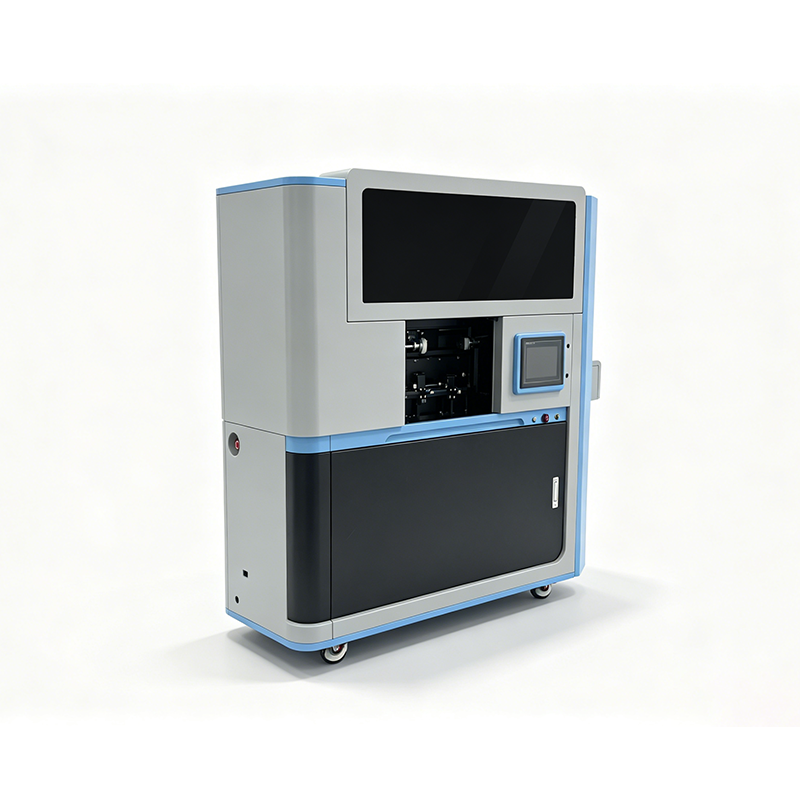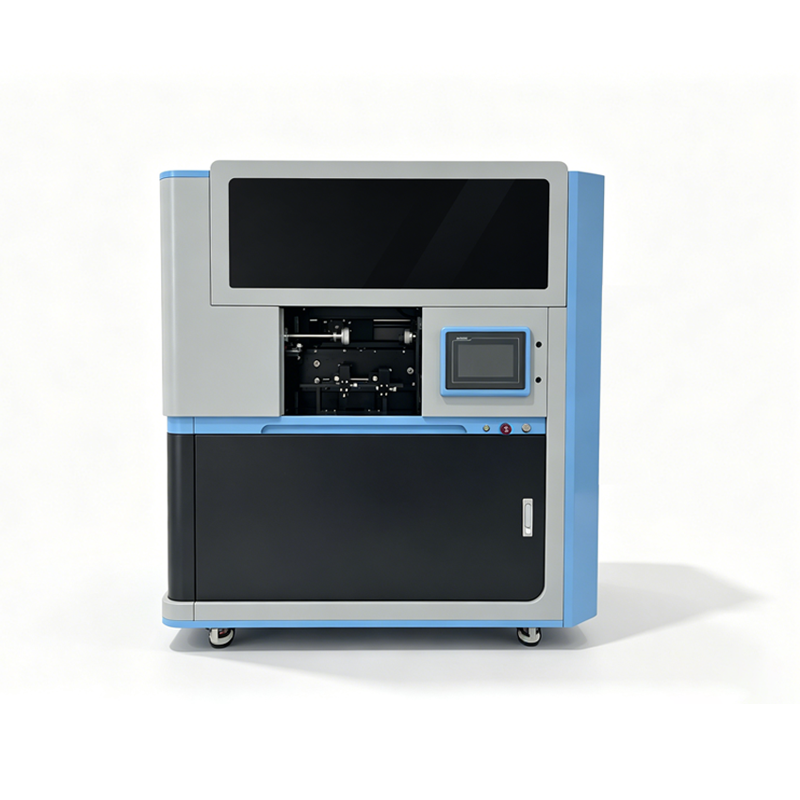

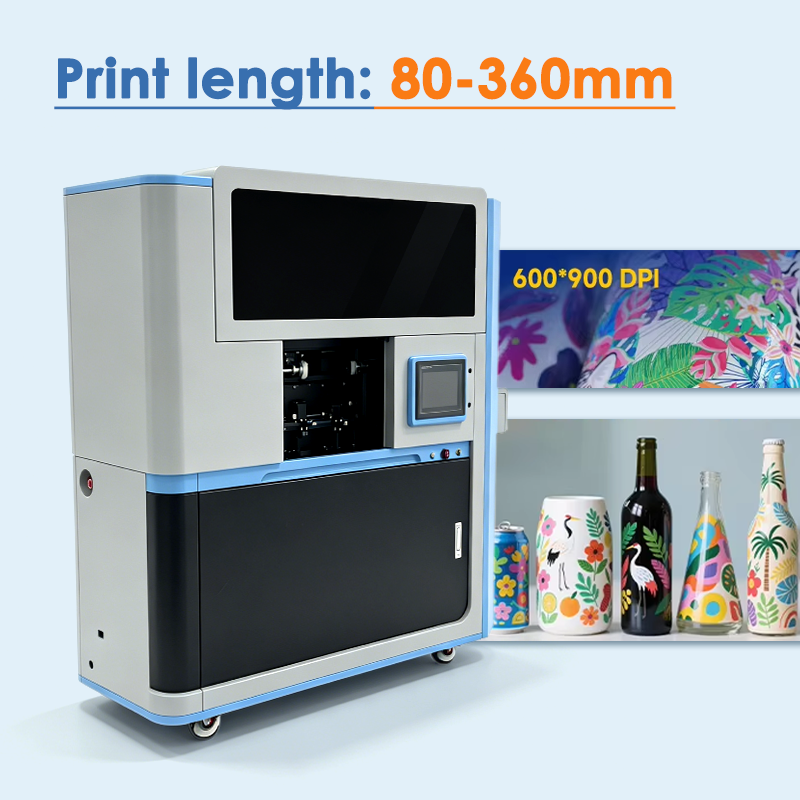
Fulfill More Custom Bottle & Tumbler Orders Per Day - High-Speed Cylinder UV Production Machine
Brand XBH
Product origin CHINA
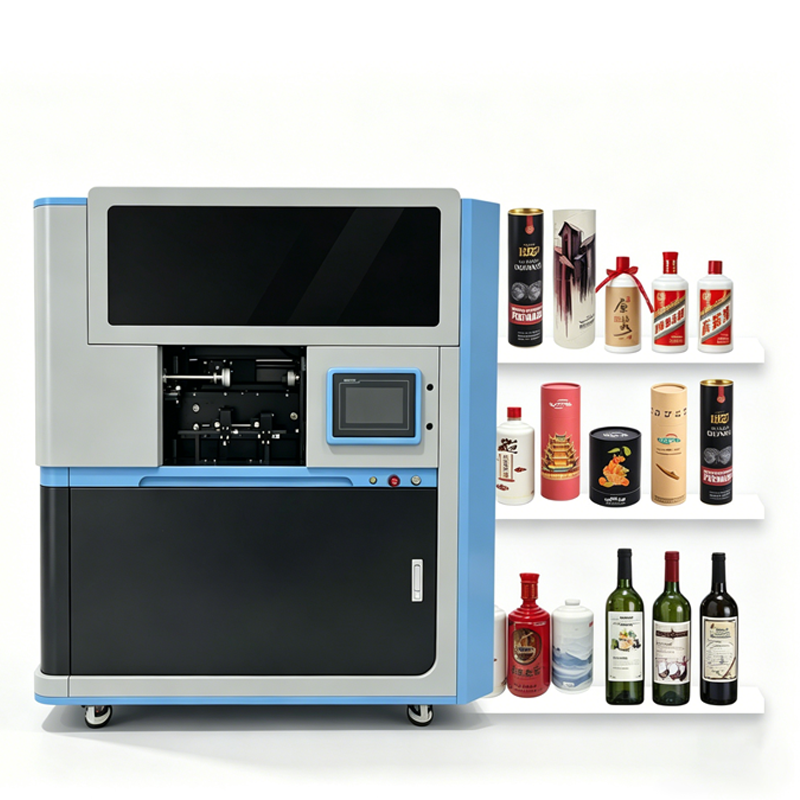
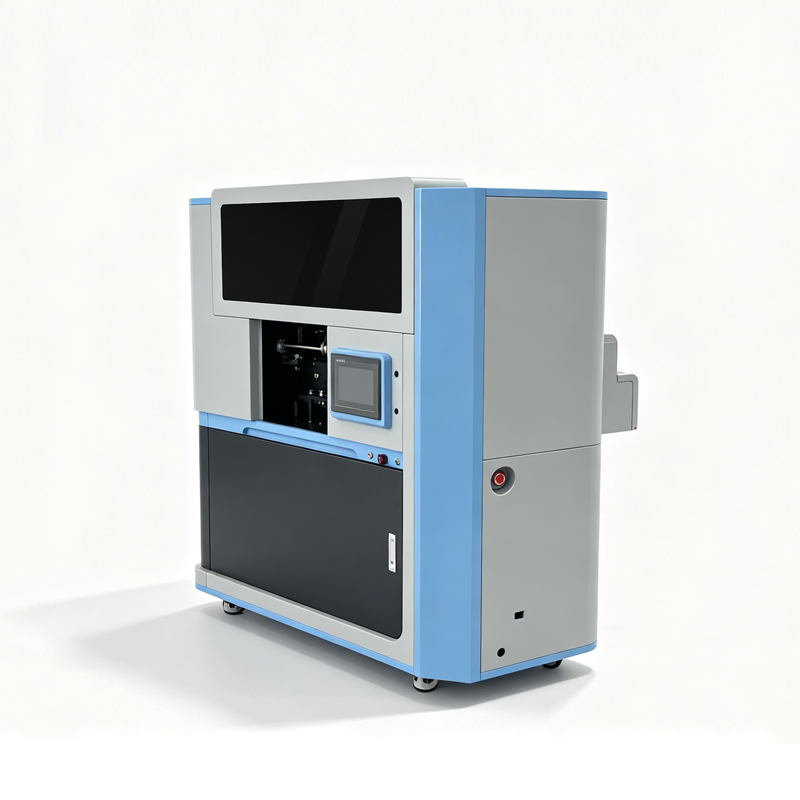
Fast cycle times mean more units produced per shift. The EPS printhead deposits ink efficiently while synchronized rotation spins the bottle quickly and precisely — a full-wrap design on a standard tumbler or wine bottle prints in minutes, not hours. Non-print time (loading, unloading, setup) is minimized too. Suitable for both one-off custom orders and medium-volume batch runs, so you grow into higher volumes without outgrowing the machine.


Q: Why is conical adaptation important for bottle printing?
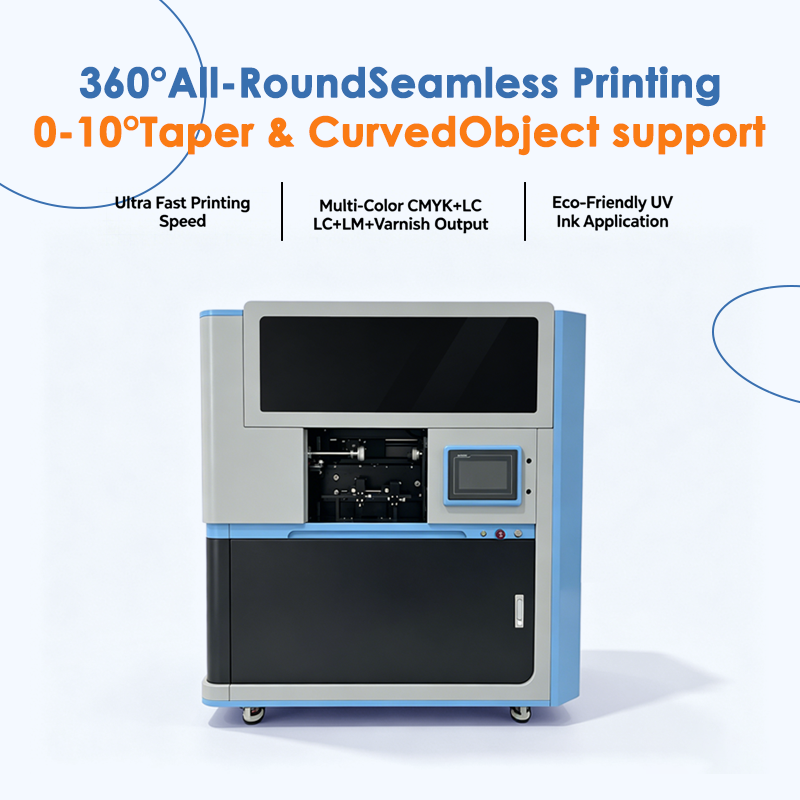
A: Many cylindrical products aren't perfectly straight — they taper, meaning the diameter at the top differs from the bottom. Wine bottles have sloped shoulders, many tumblers taper slightly, cosmetic bottles often have conical profiles. If a printer designed only for straight cylinders prints on a tapered bottle, the image distorts: it stretches on the wider end and compresses on the narrower end. Text warps, patterns misalign, and the print looks uneven.
Q: What's the actual cycle time for a standard full-wrap bottle?A: Cycle time depends on four factors: design complexity (a solid-color logo with text prints faster than a full-wrap photographic image), number of ink colors (CMYK only is faster than CMYK plus white or varnish), print quality mode (production mode uses fewer passes than high-resolution mode), and bottle size (a shorter bottle takes less time than a tall one). But the machine is engineered for speed: the EPS printhead lays down ink efficiently in each pass, and the synchronized rotation system spins the bottle quickly without sacrificing positioning accuracy. For a standard full-wrap design on a typical 20oz tumbler or 750ml wine bottle at standard quality settings, the print cycle is measured in minutes per unit — fast enough that you can move through a meaningful volume of bottles in a production day. The key is that the machine doesn't waste time: motion is optimized, passes are efficient, and UV curing happens instantly as it prints.
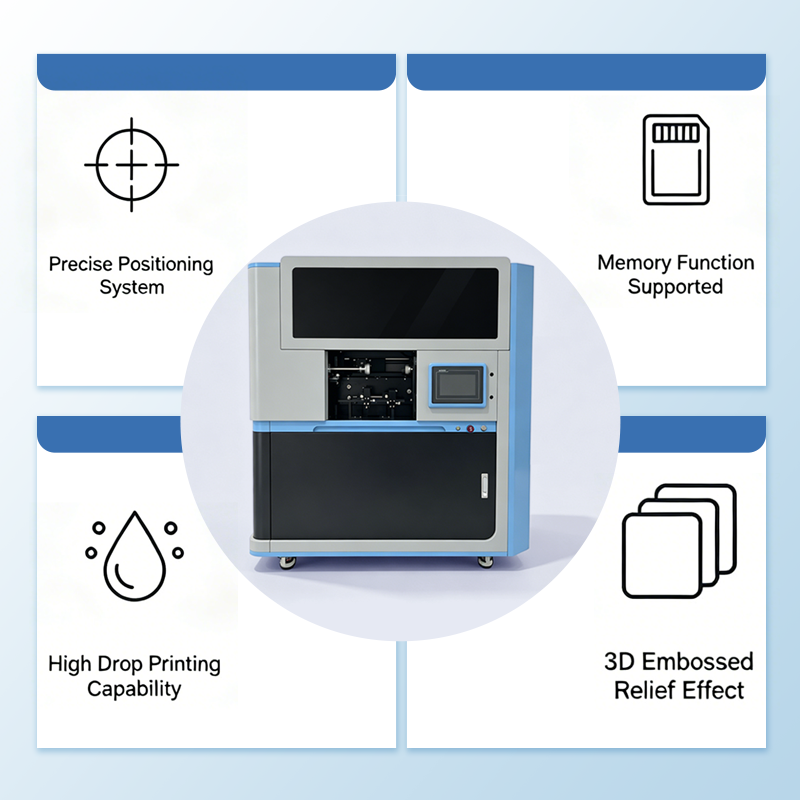
Q: Can it handle both single custom orders and batch runs efficiently?A: This is one of the machine's strongest advantages — it transitions smoothly between both ends of the production spectrum. For a single custom order — one personalized tumbler for a gift, one custom wine bottle for a wedding, one prototype for a customer presentation — there's no setup cost per design (it's digital, no plates or screens), and the fast cycle time means you produce that single unit quickly and efficiently. For a batch run — 50 tumblers for a corporate event, 200 wine bottles for a wedding, 500 cosmetic bottles for a product launch — the multifunctional memory system lets you save the job settings once, then run the entire batch with consistent, repeatable results. You don't need a separate machine for prototyping vs. production, or for custom vs. batch. One machine handles a one-off order in the morning and a 200-unit batch in the afternoon, with the same efficient workflow.
Q: How does faster cycle time translate to real business impact?A: The number of units you can produce per day directly determines your revenue capacity. If each bottle takes 10 minutes from start to finish (loading, printing, unloading), you produce about 48 units in an 8-hour day. If each takes 5 minutes, you produce 96 — double the output, double the potential revenue, without working longer hours or hiring more staff. Faster cycle times also mean you can accept tighter deadlines and rush orders that slower shops have to turn down. For a custom drinkware business, this throughput is what allows you to grow from taking occasional small orders to handling regular batch orders, corporate accounts, and even wholesale volume. The machine's speed, combined with its ease of operation (one operator can manage the machine efficiently), means your labor cost per unit stays low even as volume increases.
Q: Am I sacrificing print quality by running at speed?A: No. The machine's speed comes from efficient engineering — high-performance printhead technology, optimized motion control, synchronized rotation, and instant UV curing — not from cutting corners on quality. The EPS printhead delivers precise, consistent droplet placement even at high carriage speeds, so text stays sharp, lines stay clean, and detail is maintained. The negative pressure ink system ensures stable ink flow throughout fast production, so there's no degradation in print quality as the machine runs through a long batch. The multifunctional memory system ensures every unit in a batch prints with identical settings, so bottle #1 matches bottle #100 in color, density and positioning. You get both speed and quality — fast cycle times without sacrificing the professional, premium finish that your customers expect and are willing to pay for. In a competitive custom printing market, being able to deliver both fast turnaround and high quality is a significant advantage.