
Crisp Logos & Fine Ingredient Text on Small Cosmetic Bottles - High-Resolution Cylinder UV
Brand XBH
Product origin CHINA
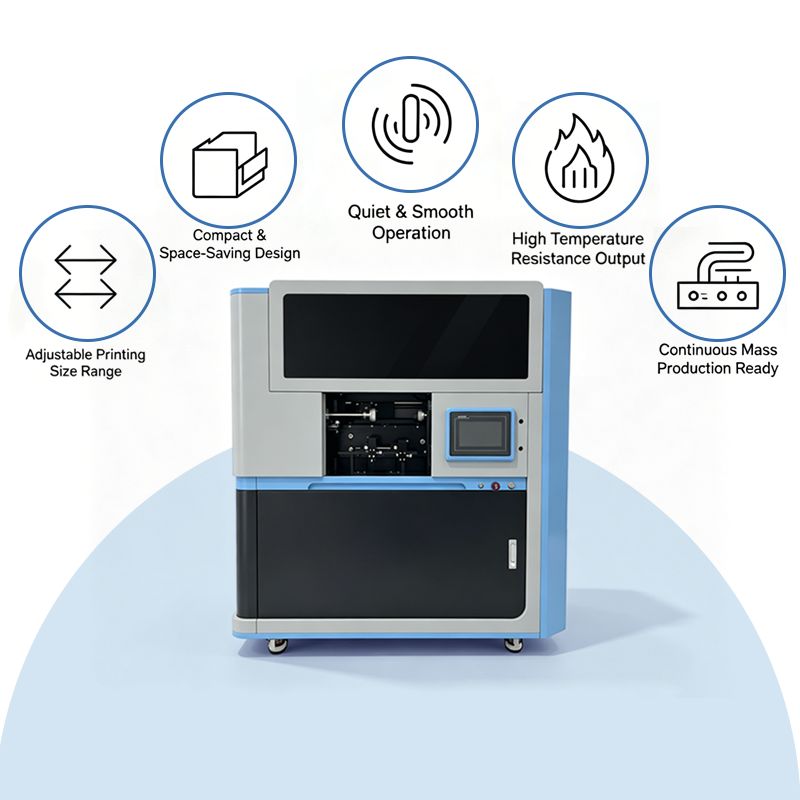
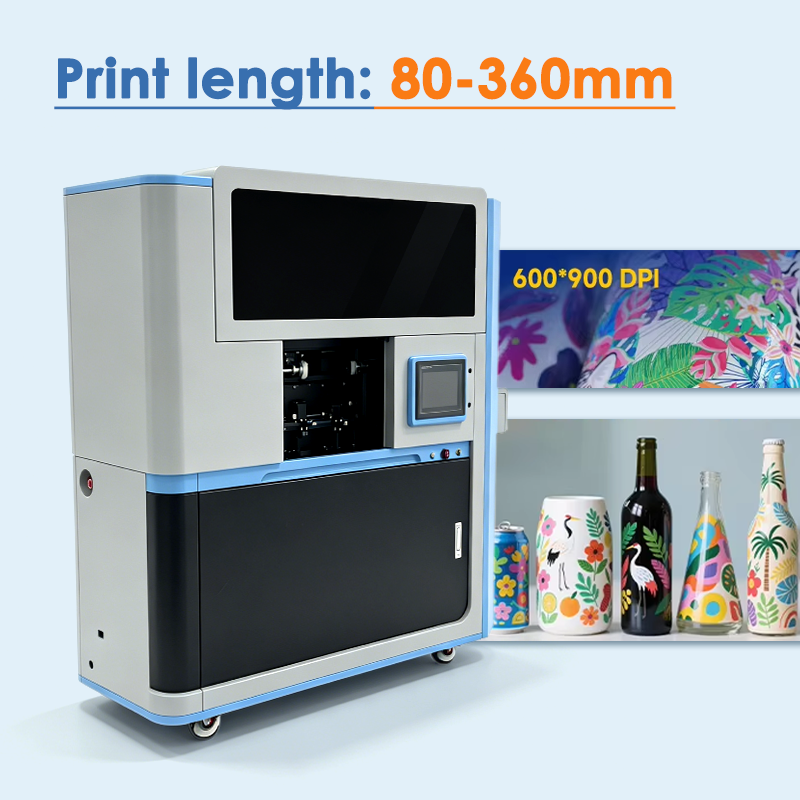
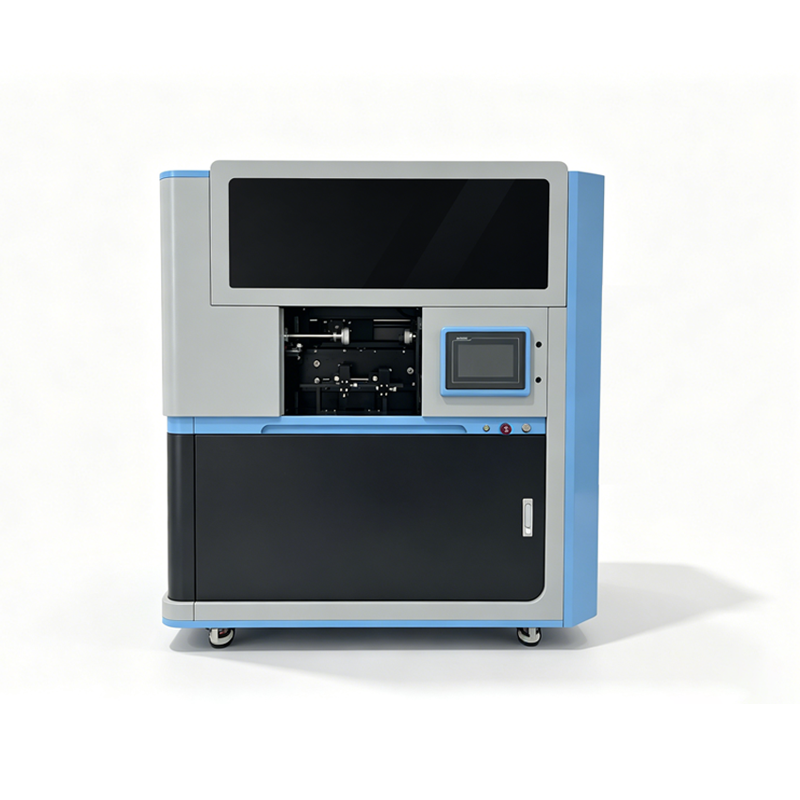
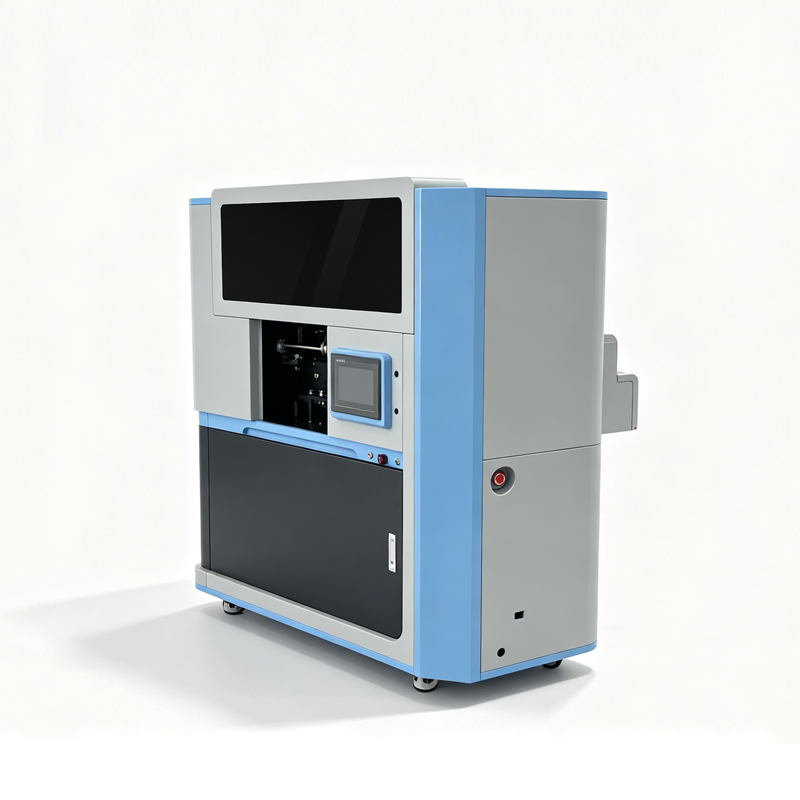
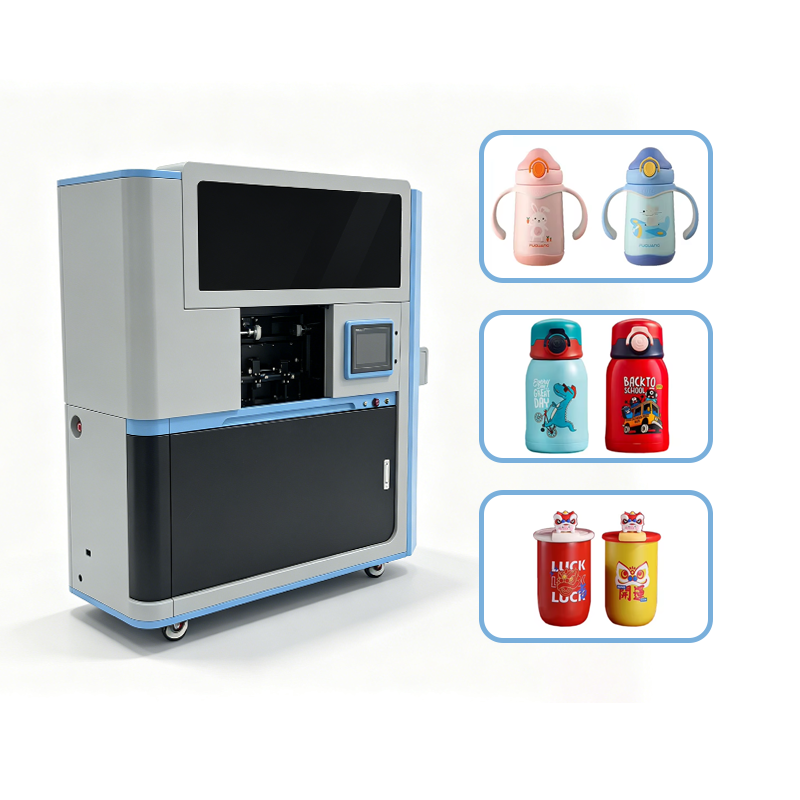
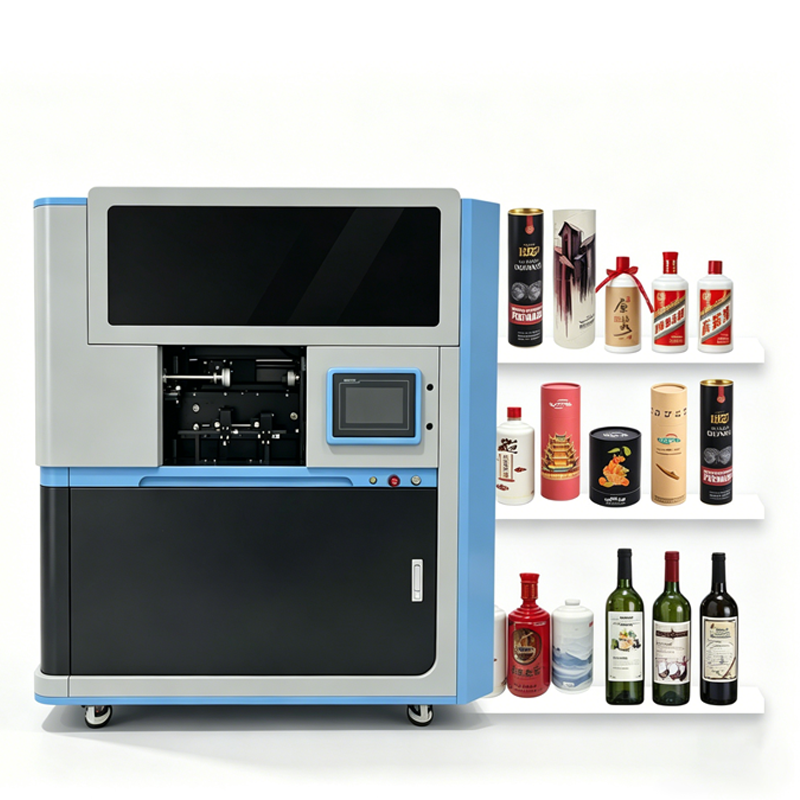
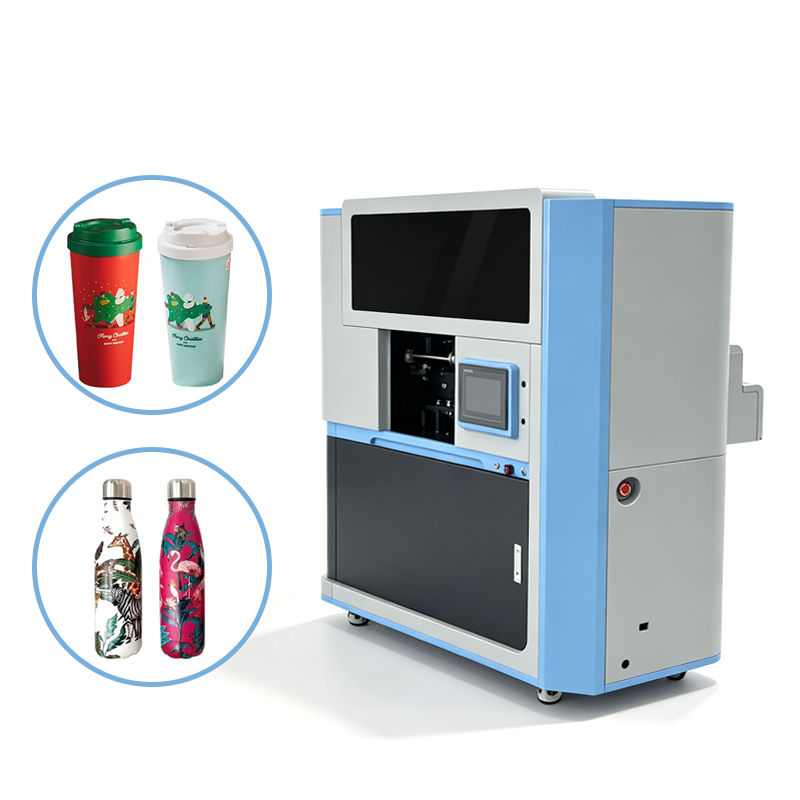
Print full-color designs directly onto cosmetic packaging — lotion pumps, serum dropper bottles, cream jars, perfume bottles. The high-precision EPS printhead reproduces fine brand logos, small ingredient text and delicate patterns clearly even on small-diameter bottles. Glass, plastic and acrylic all work with the same UV ink. Perfect for indie beauty brands, limited-edition collections, and contract packaging companies serving multiple brand clients.


Q: Why is conical adaptation important for bottle printing?
A: Many cylindrical products aren't perfectly straight — they taper, meaning the diameter at the top differs from the bottom. Wine bottles have sloped shoulders, many tumblers taper slightly, cosmetic bottles often have conical profiles. If a printer designed only for straight cylinders prints on a tapered bottle, the image distorts: it stretches on the wider end and compresses on the narrower end. Text warps, patterns misalign, and the print looks uneven.
Q: A skincare brand sent 250 serum dropper bottles — the regulatory text is so small, will it even be readable or just a blurry mess?A: That's literally what the high-precision head is for. On a 30ml serum bottle, you've got brand name, product name, ingredients, directions, volume — all fitting on a narrow curved cylinder. The head places droplets accurately enough that multi-line small text stays legible, not something you need a magnifying glass to decode. Brand logos with thin lines and tiny negative spaces come through clean — no fill-in, no broken serifs. For cosmetics, this isn't an aesthetic nice-to-have; if the ingredient list isn't readable, that's a regulatory problem, not just an ugly bottle. This machine keeps it sharp enough to pass, and the brand doesn't have to choose between "pretty design" and "compliant text."
Q: My customers keep complaining that lotion bottle labels peel in the shower — is direct print actually different or is it the same problem?A: Completely different problem, because there's no label. No adhesive, no paper layer, no edge to catch moisture and lift. Ink is cured into the glass or plastic. A customer keeps that lotion bottle on a shower shelf for three months, grabs it with wet hands every day, sets it on a damp counter — the print still looks like day one. For a premium skincare brand, that durability directly affects how customers perceive the product. A bottle that still looks good when it's half empty? They think "quality brand." A bottle with a peeling label? They think "cheap," even if the formula inside is great. Packaging is the first and last thing a customer touches — direct print makes sure it holds up for the whole product lifecycle.
Q: I'm launching a beauty brand with 400 units — the label company laughed and said their minimum is 5000.A: 400 is perfect for this machine. No minimums, no plates, no setup fees per design. Print your 400 lotion bottles with your custom artwork, in-house, on demand. Want to test 50 first to see how they sell? Do it. Want to try three different label designs, 100 each, to see which moves fastest? Same run. Want to add 30 influencer PR bottles with each influencer's name? Easy. This is how indie beauty brands move fast — they don't commit to 5000 labels of a design they're not sure about. They print small, test, learn, iterate, reprint. The machine supports that agility instead of punishing it with minimum order requirements and long lead times. You're not locked into a design until you know it sells.
Q: I run a contract packaging shop — 11 different beauty clients, all different bottle shapes, all different designs, every week is chaos.A: That's what saved job profiles are built for. Client A's serum bottle? Save the settings once — rotation speed for that diameter, print height, color profile for that specific glass — recall it with one touch next time their PO comes in. Client B's cream jar? Different saved profile. Client C's acrylic lotion pump? Another profile. No re-calibration between clients, no "wait, how did we set this up last month?" guessing, no test prints to dial it back in. You take on more brands because turnaround is fast. You handle rush jobs because setup is seconds, not hours. One machine serves all your clients, and the quality is direct-print — better than labels — which means you can charge more and clients happily pay it because their packaging looks premium.