
XBH-304 30cm DTF Printer - Start a Custom Apparel E-commerce Business Low Entry High Profit
Brand XBH
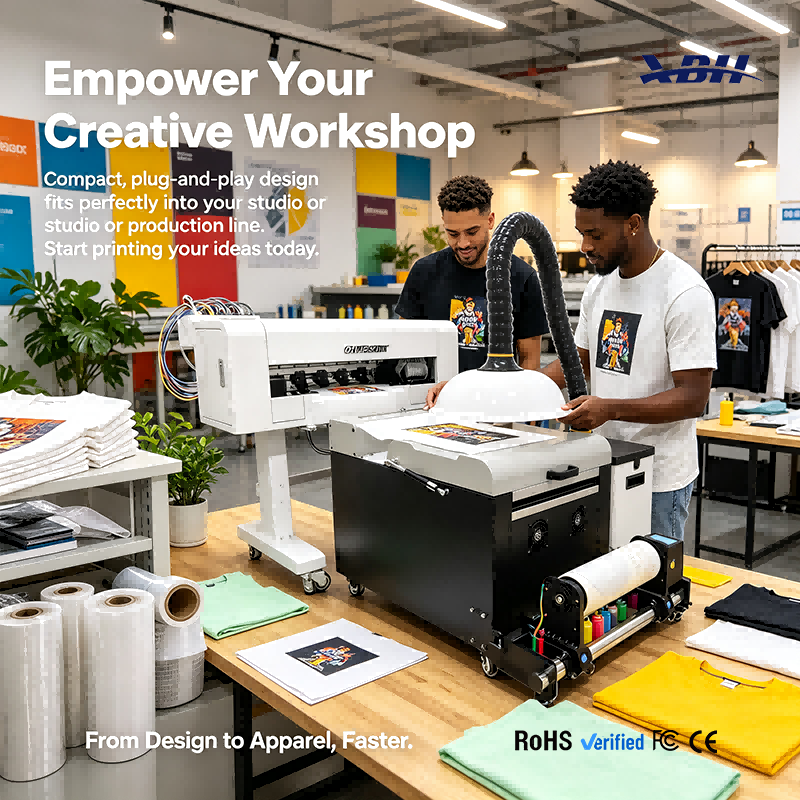
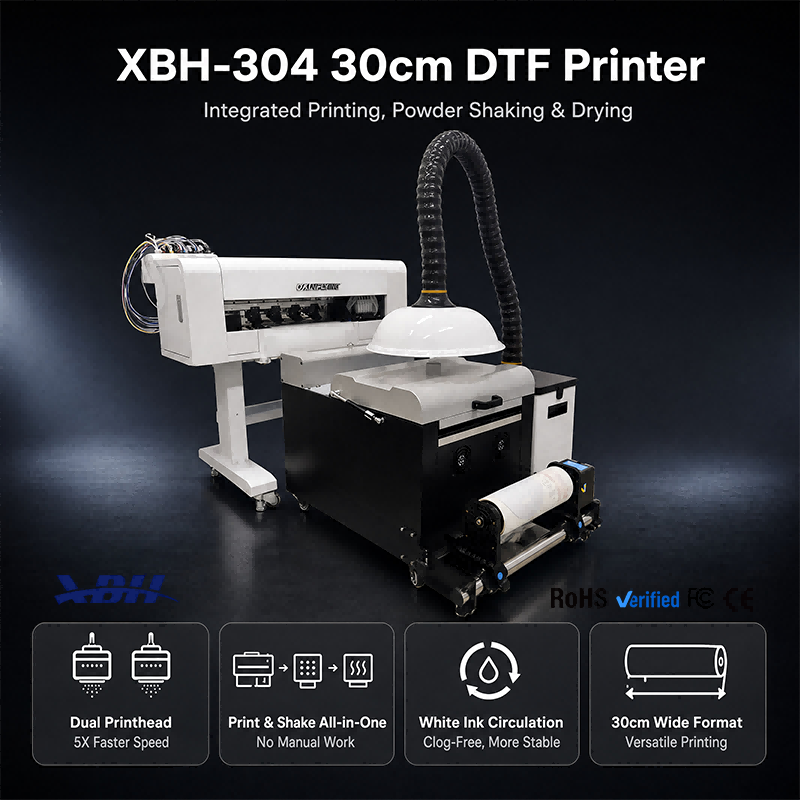
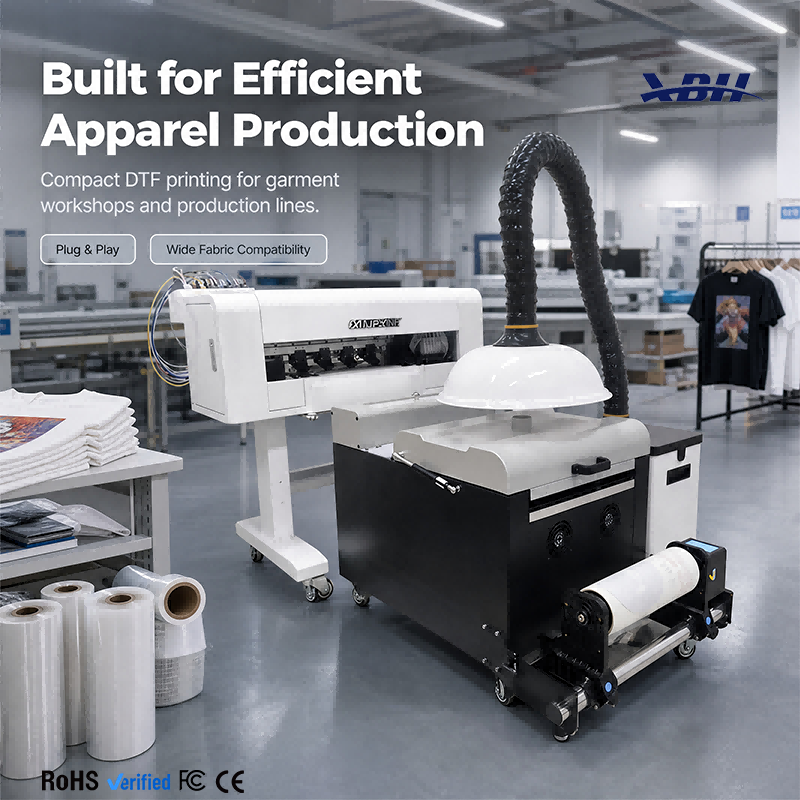
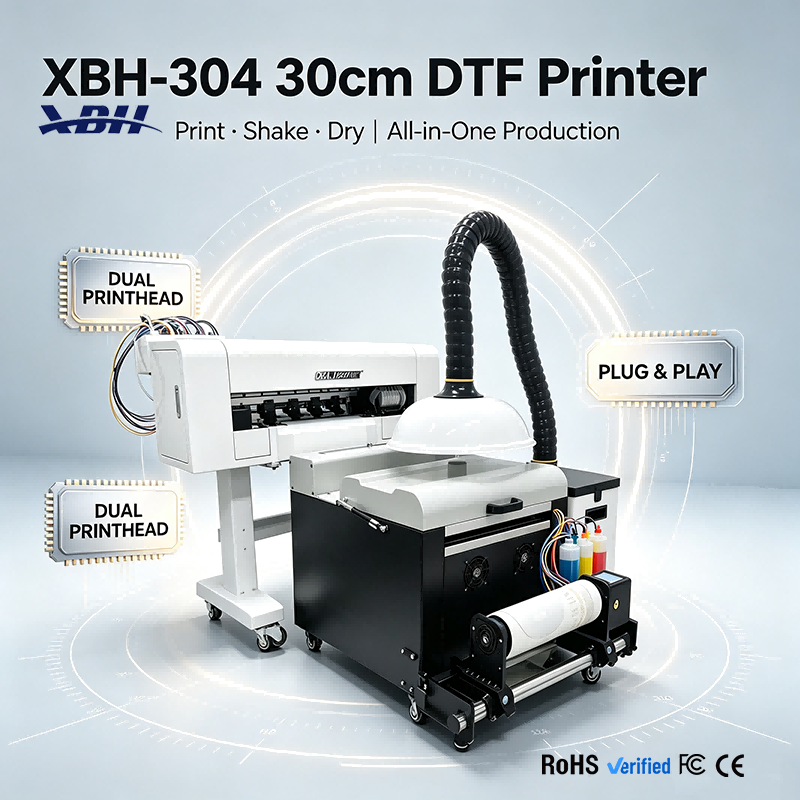
XBH-304 30cm DTF is the perfect machine for starting a custom apparel e-commerce or print-on-demand business. Low entry cost, no minimum orders, no pre-printed inventory, high-margin custom products, and the ability to print on demand. Turn designs into revenue quickly. Ideal for Etsy, Shopify, Amazon and social media sellers.
Q: Why is DTF printing a good business model for e-commerce startups?
A: DTF (direct-to-film) printing has several advantages that make it ideal for new e-commerce businesses. There's no setup cost per design — no screens, no plates, no transfer minimums — so you can offer unlimited designs without incurring setup fees. There are no minimum orders, which means you can print one shirt or a hundred with the same cost structure. You print on demand — only produce a transfer and press a garment when a customer actually orders — so there's no dead stock, no leftover inventory, and no money tied up in pre-printed products that might not sell. The per-unit cost is low enough that even at retail prices, margins are healthy. The compact machine size means you can operate from a home office, garage or small workspace, eliminating the need for expensive commercial rent. For a startup, this low-risk, low-inventory, low-overhead model is much more accessible than traditional garment decoration methods that require significant upfront investment and minimum order commitments.
Q: How much can I charge for DTF-printed custom apparel?
A: Custom DTF-printed garments command premium prices because customers pay for personalization, uniqueness and on-demand production. A basic custom t-shirt with a one-color or simple design might retail for $20 to $30, while a full-color front print with photographic detail (like a pet photo or custom portrait) can sell for $30 to $50 or more, depending on the shirt quality and design complexity. Custom hoodies typically retail for $40 to $70. Personalized items for special occasions — weddings, birthdays, family reunions, bachelorette parties — often command even higher prices because of the emotional value. The blank garment cost is low (a few dollars for a standard cotton tee), and the DTF ink and film cost per print is modest (typically $1 to $3 per design), so gross margins are often 60-80% even at reasonable retail prices. For e-commerce sellers, the key is that DTF lets you charge for the customization and design value, not just the cost of the blank shirt.
Q: What do I need to get started with a DTF e-commerce business?
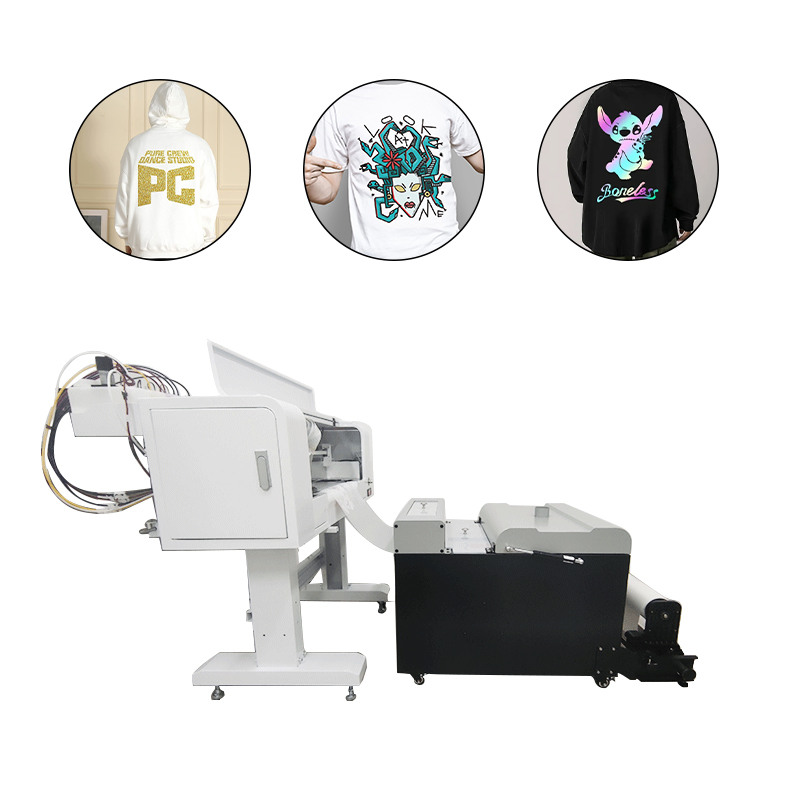
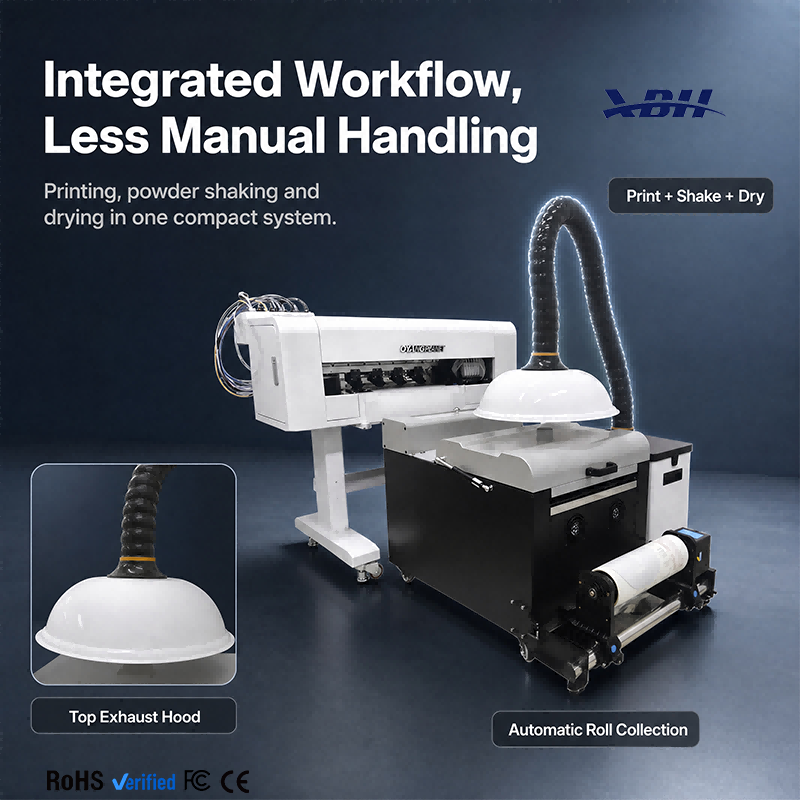
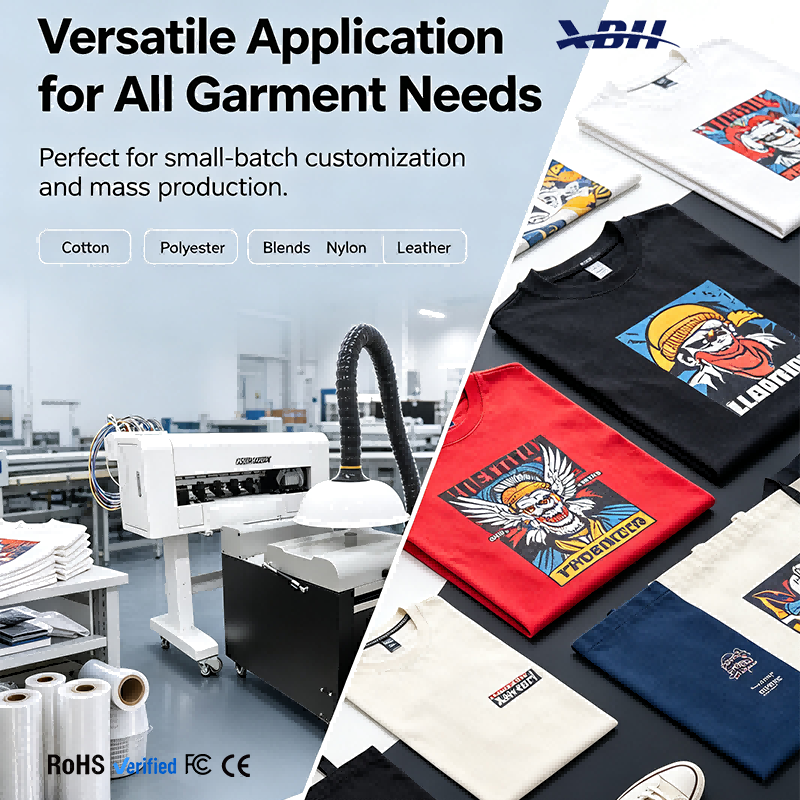
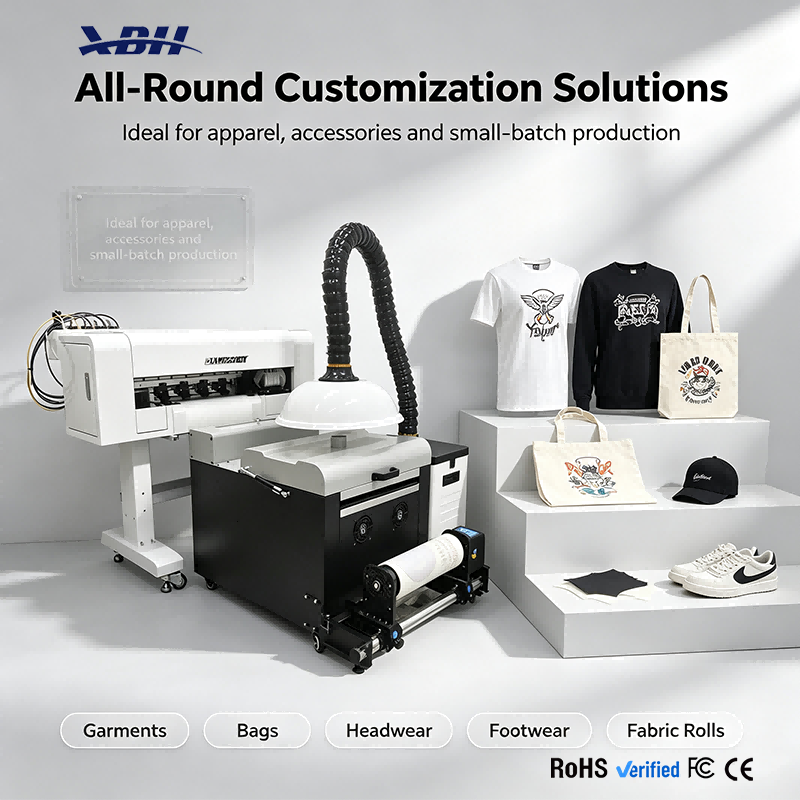
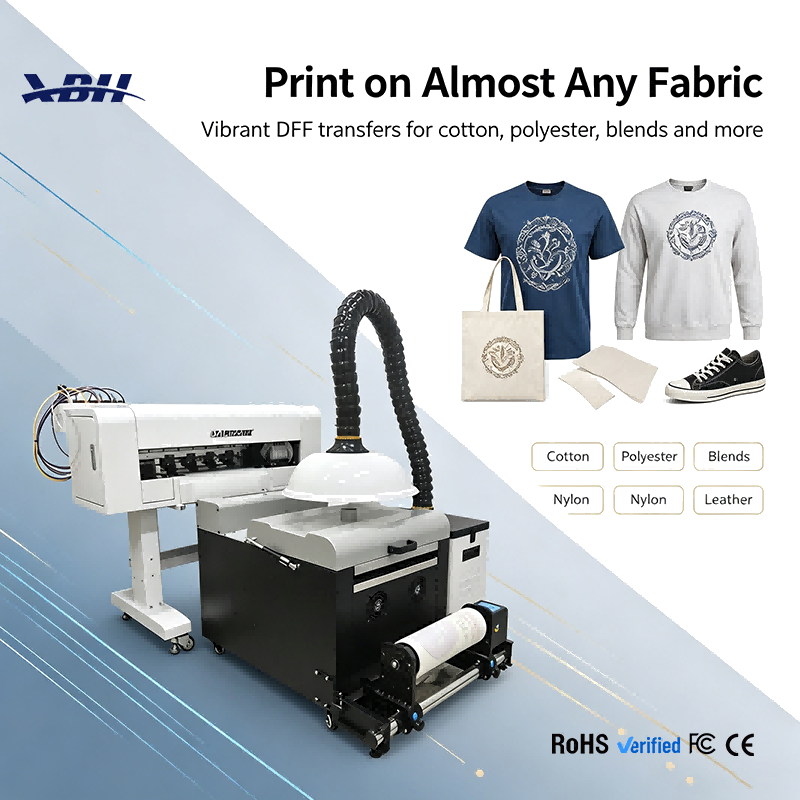
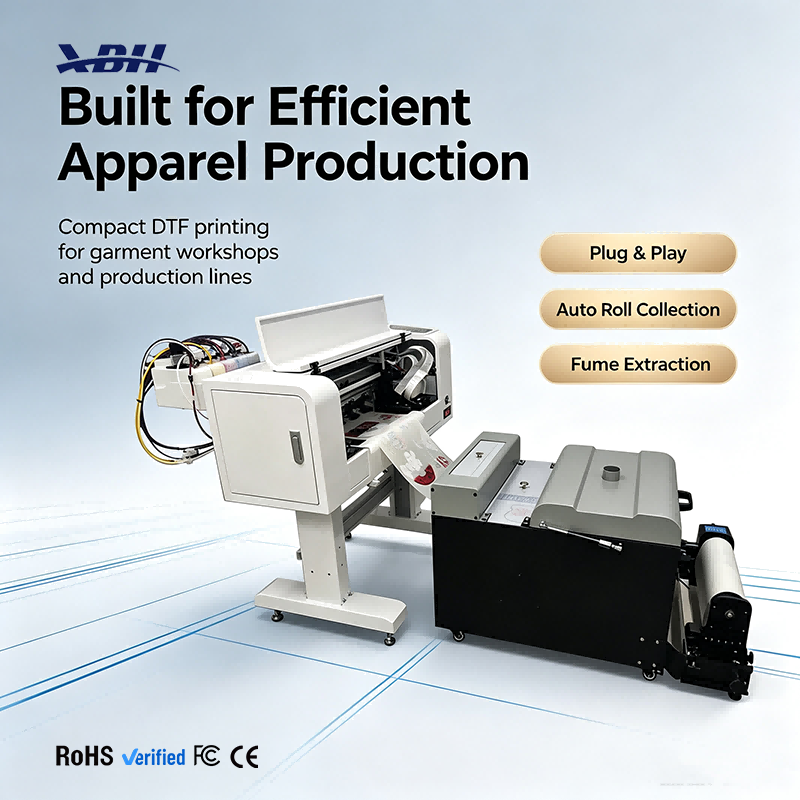
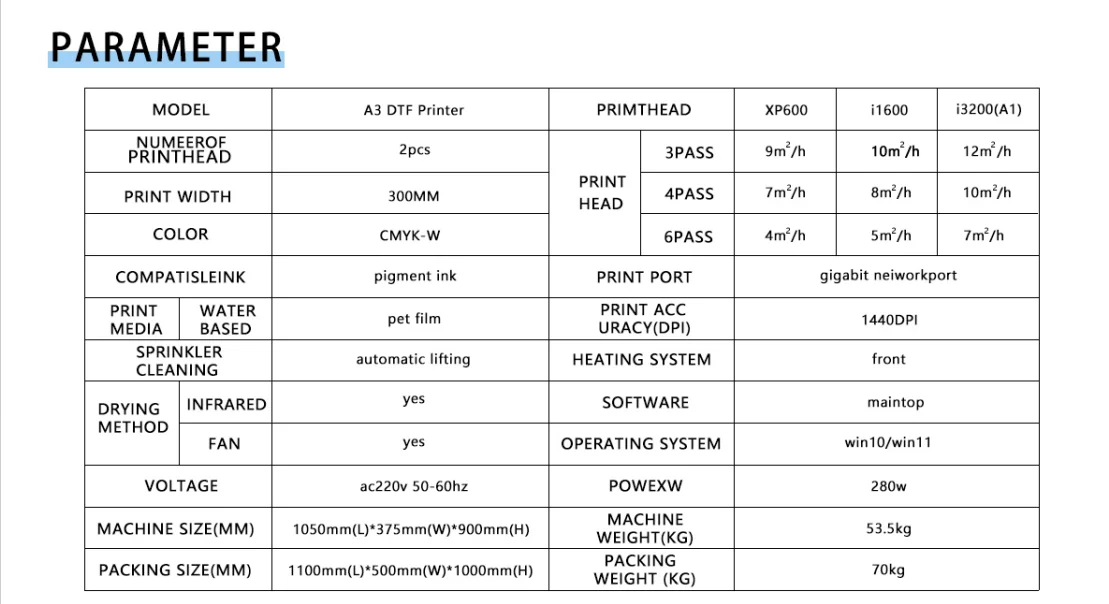
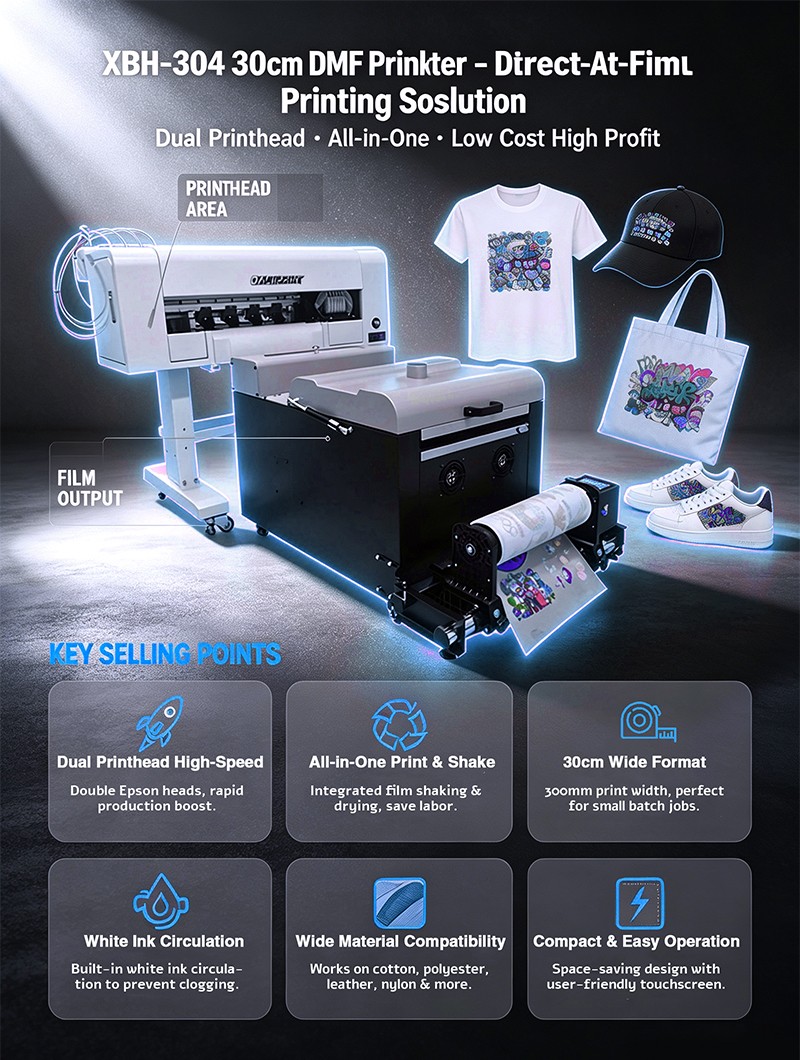
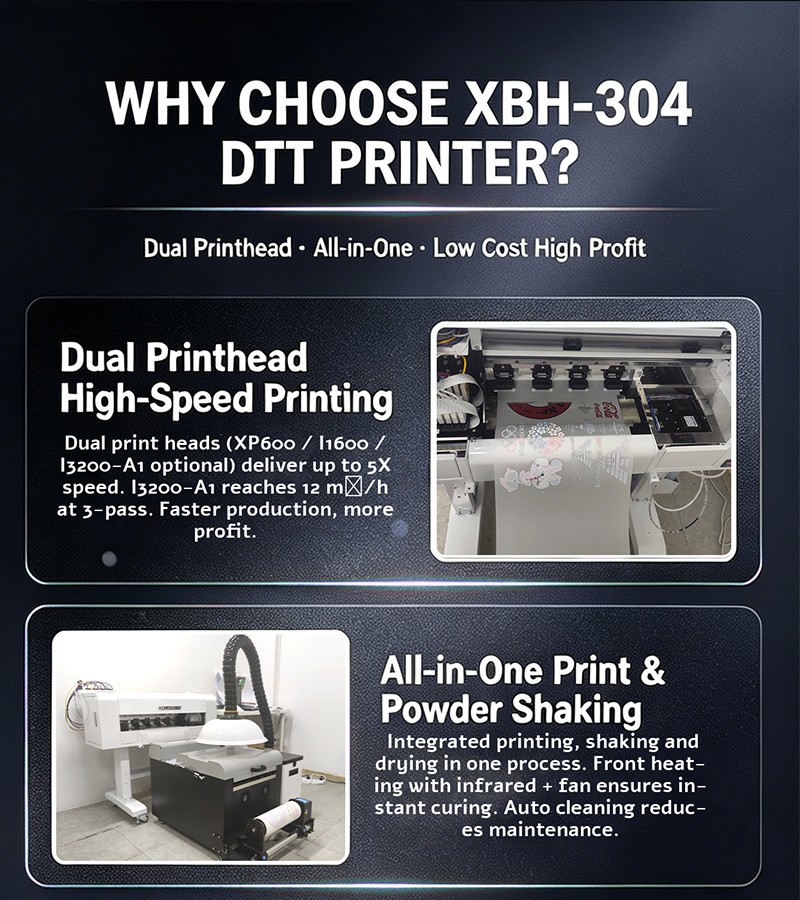
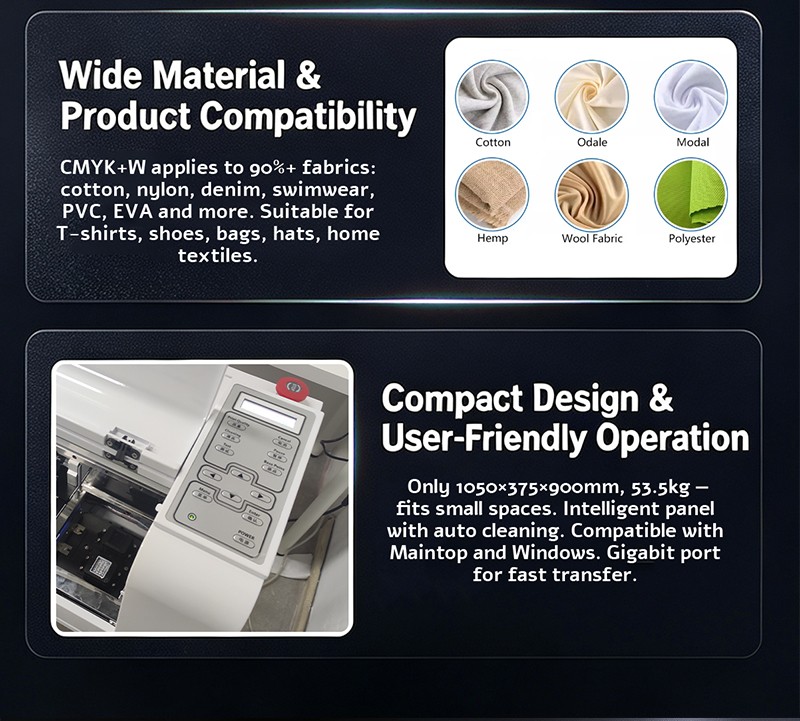
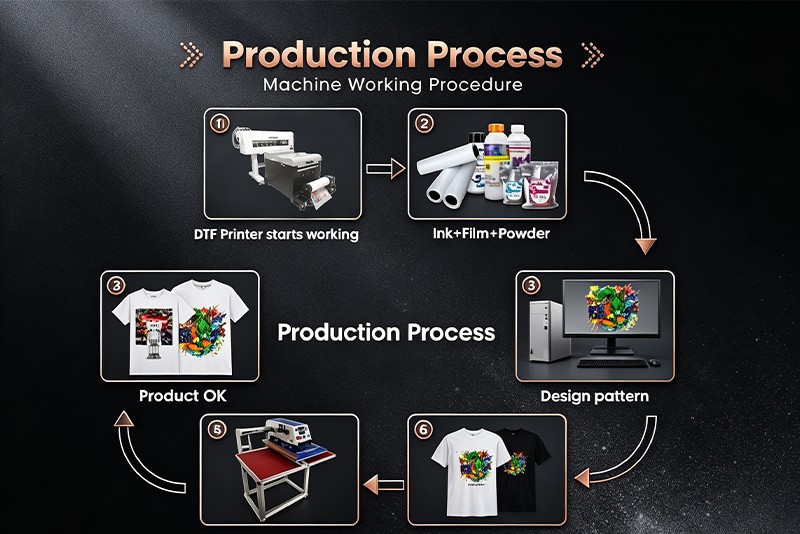
A: The core equipment is the XBH-304 30cm DTF printer (which includes integrated printing, powder shaking and drying). You'll also need a heat press for transferring films onto garments — a standard 40×50cm flat heat press works for most apparel. You'll need a Windows computer running Maintop RIP software for preparing and sending print jobs. You'll need blank garments in inventory — start with a range of sizes and colors of popular t-shirt styles, plus a few hoodies and tote bags. You'll need DTF supplies: PET film rolls or sheets, CMYK+W DTF ink, and hot melt adhesive powder (the machine's integrated shaker uses bulk powder). You'll need an e-commerce platform — Shopify, Etsy, Amazon, or your own website — to list products and take orders. You'll need basic packaging materials for shipping. You don't need a large commercial space; a spare room, garage or corner of a basement works. The total startup investment is manageable for a small business or even a side hustle, and you can start small and scale up as orders grow.
Q: What market opportunities work well with DTF e-commerce?
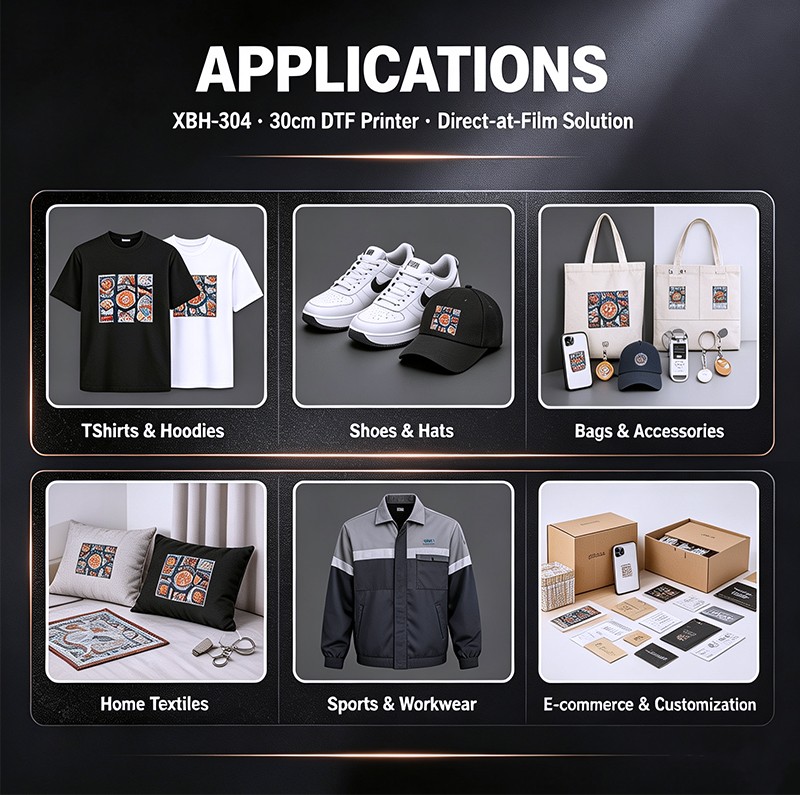
A: Several markets are strong for DTF-based e-commerce. Print-on-demand apparel brands — designers who create their own artwork and sell limited-edition or evergreen designs online, printing only when orders come in. Personalized gift shops — custom shirts with names, dates, photos or inside jokes for birthdays, anniversaries, weddings, holidays and other occasions. Niche interest communities — designs targeted at specific hobbies, professions, pet breeds, fandoms or lifestyles, sold through social media and targeted advertising. Event merchandise — concerts, festivals, charity runs, family reunions, bachelor/bachelorette parties, where attendees want custom shirts and quantities are typically small to medium. Pet lovers — custom shirts with pet photos, pet names and breed-specific designs are a consistently popular niche. Corporate and small business branding — local businesses, restaurants, breweries and bands that need custom shirts in small quantities. The common thread across all these markets is small-batch, custom, on-demand printing — exactly what DTF excels at. The flexibility to serve multiple niches with one machine means you can diversify your revenue streams and reduce dependence on any single market.