
Universal UV Fluorescent Ink - Works on Plastic Metal Glass Wood & Acrylic
Brand XBH
Product origin guangdong
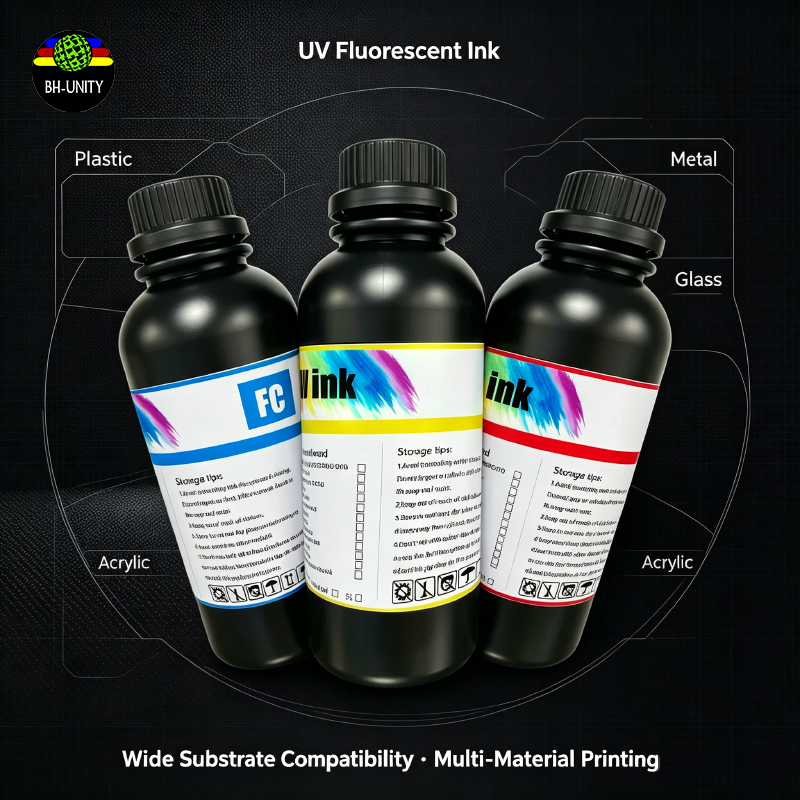
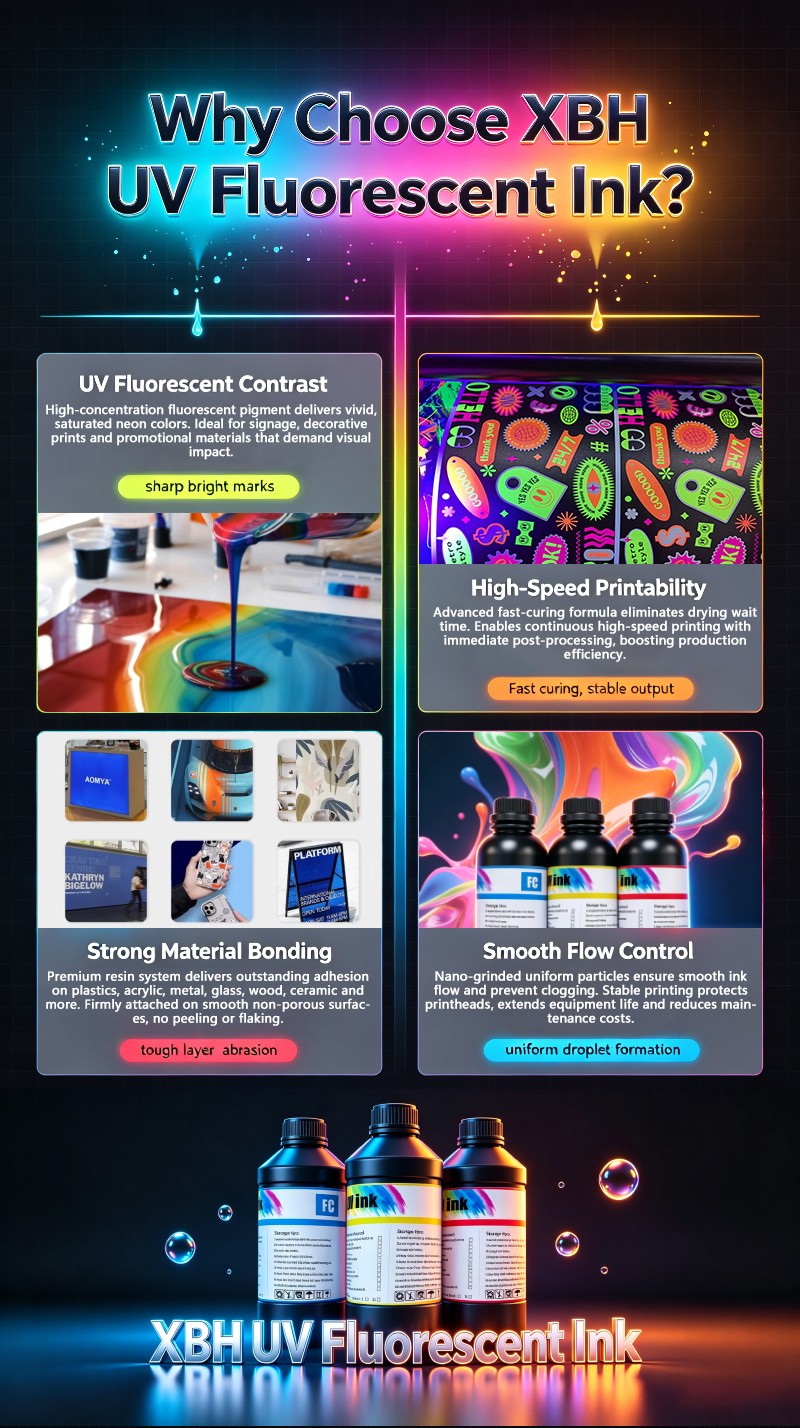
Universal UV fluorescent ink bonds strongly to plastic, acrylic, metal, glass, ceramic, wood, PVC and KT board. Premium resin system delivers firm adhesion on both porous and non-porous surfaces, no peeling or flaking.
Universal UV Fluorescent Ink - Works on Plastic Metal Glass Wood & Acrylic
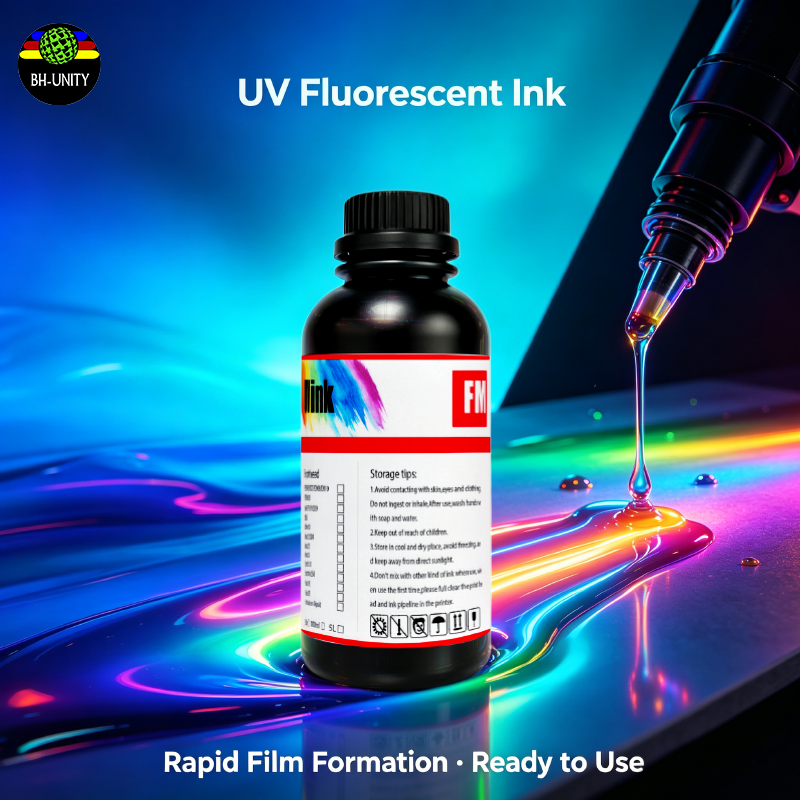
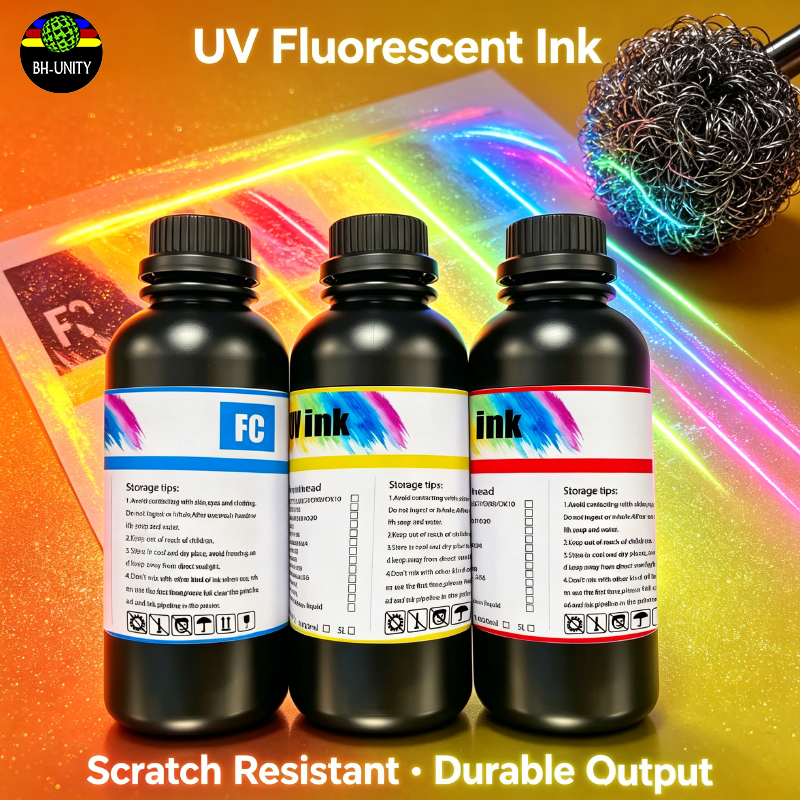
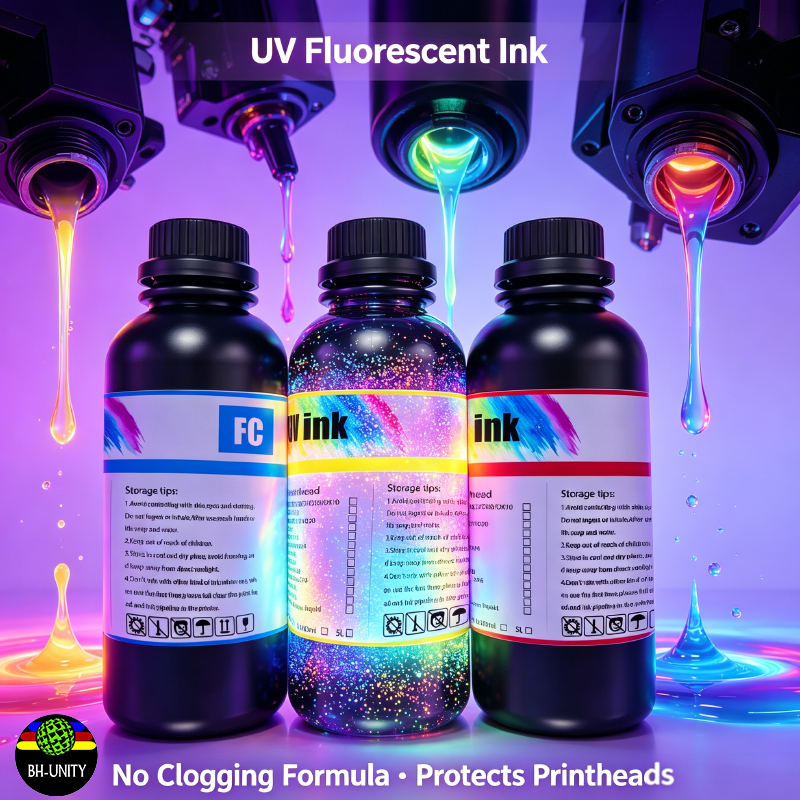
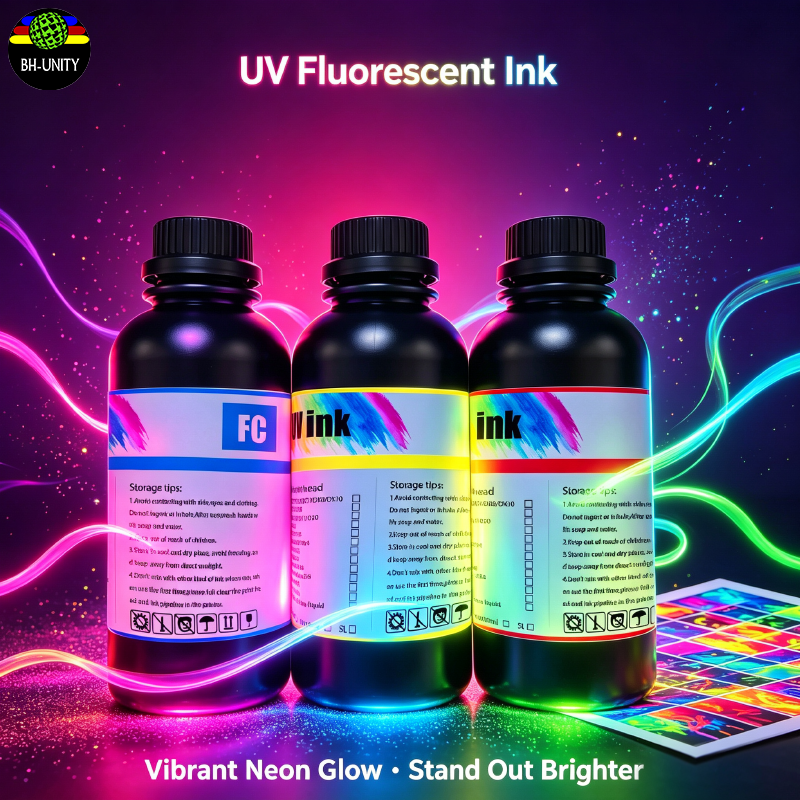
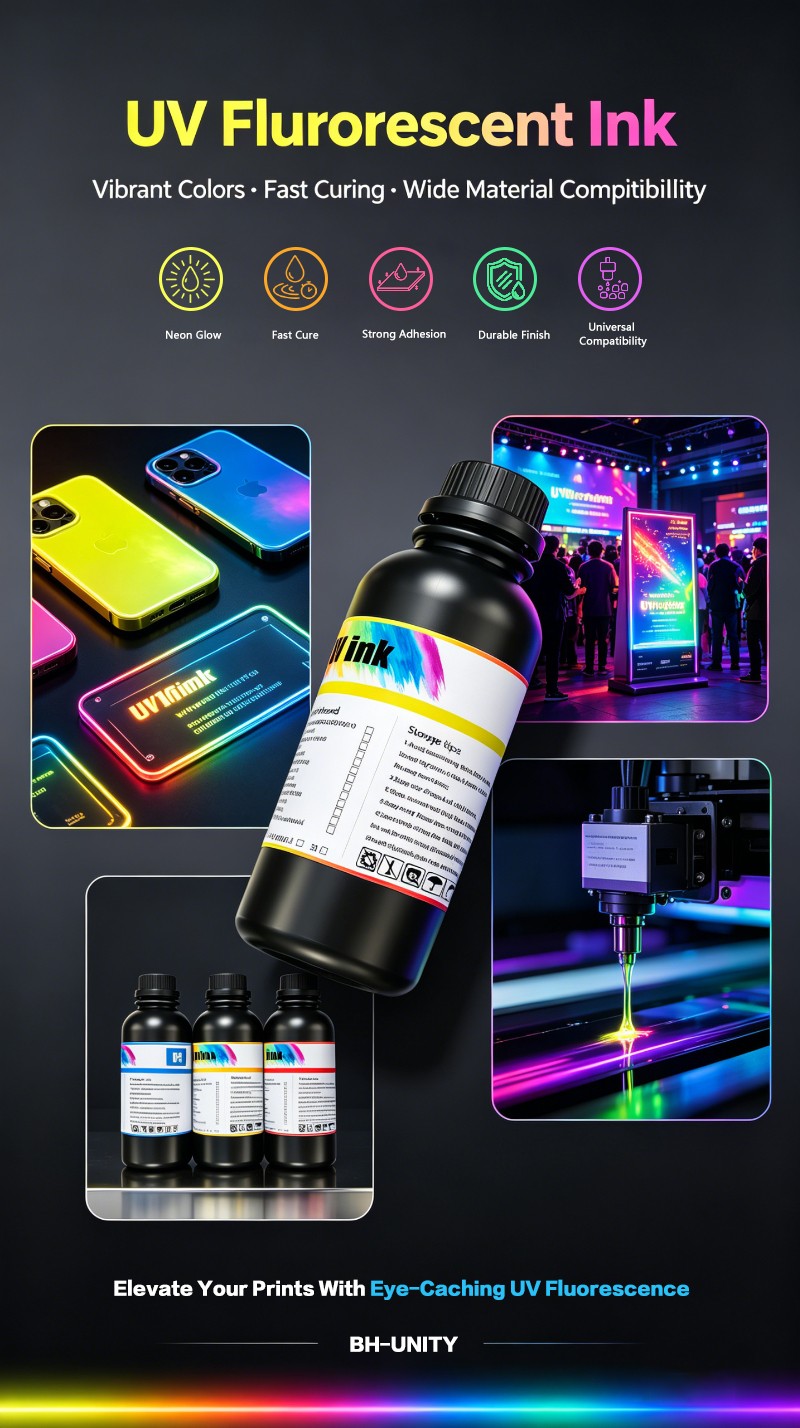
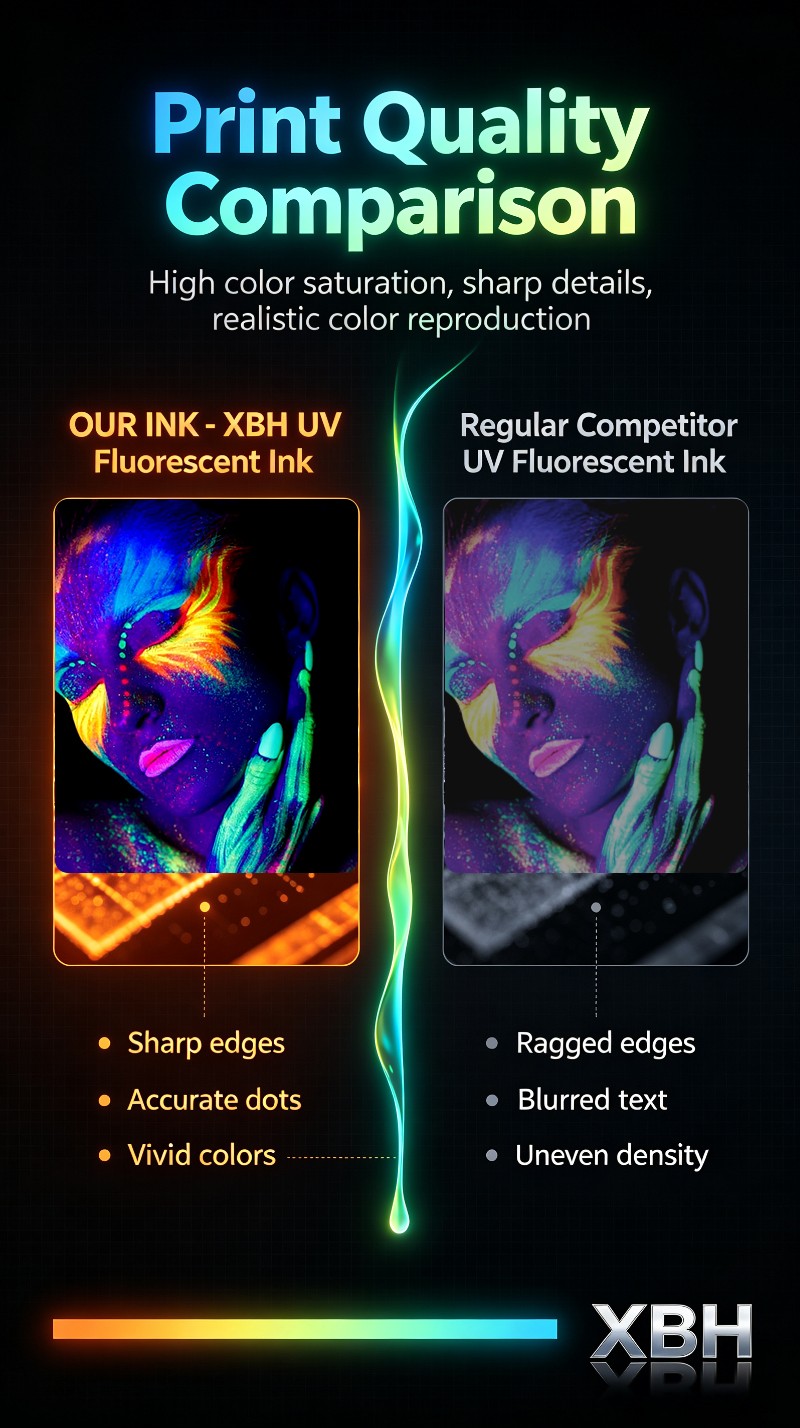
XBH UV fluorescent ink delivers ultra-bright neon colors with instant UV curing on hard substrates. Formulated for smooth anti-clog printing and strong adhesion on plastic, acrylic, metal and glass — durable, scratch-resistant results for every UV print job.
Product Specification Table
| Product Name | UV Fluorescent Ink |
| Brand | XBH |
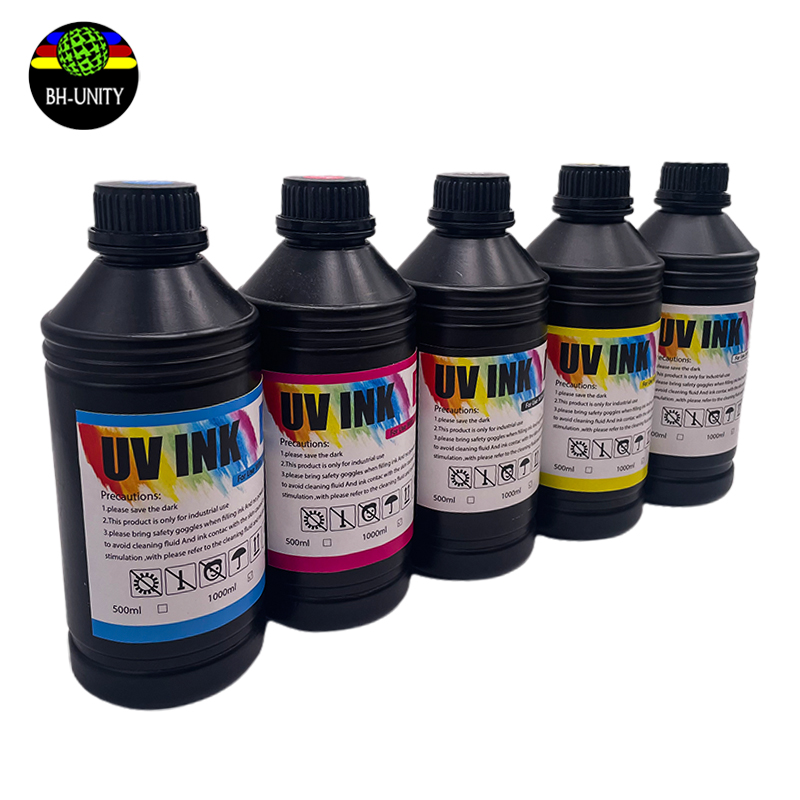
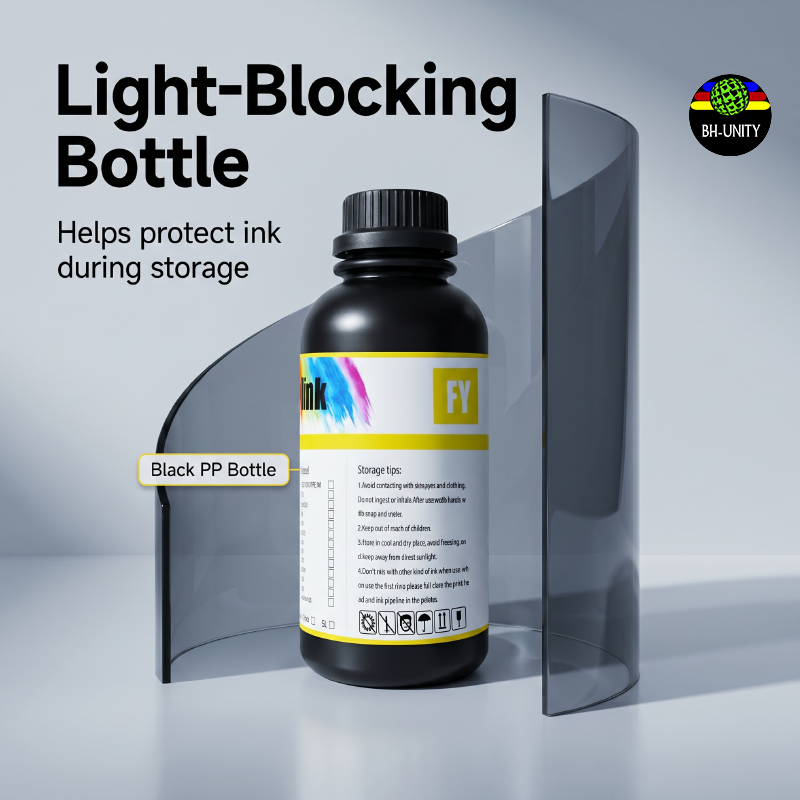
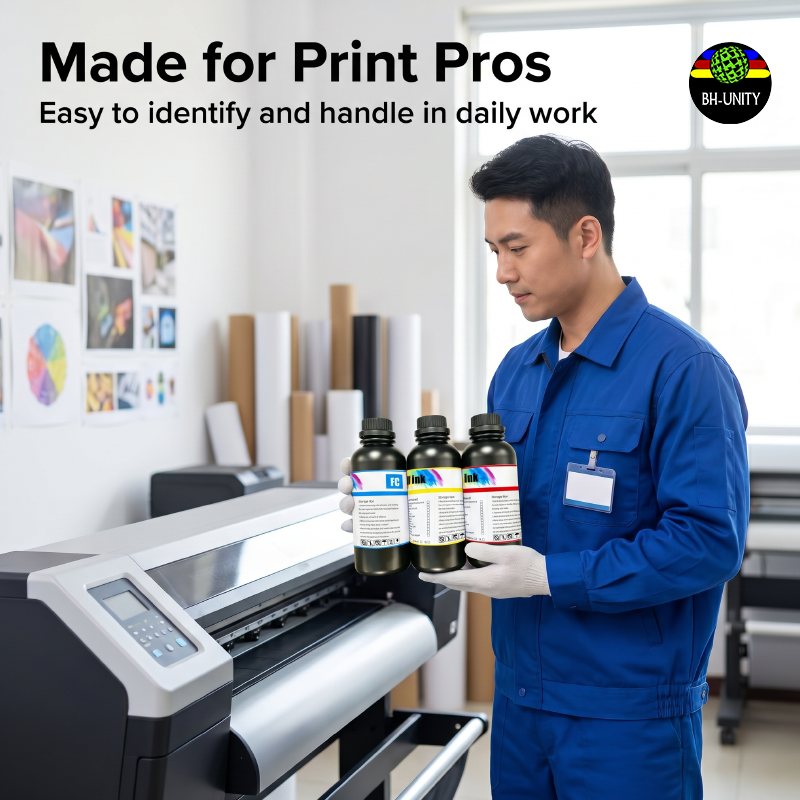
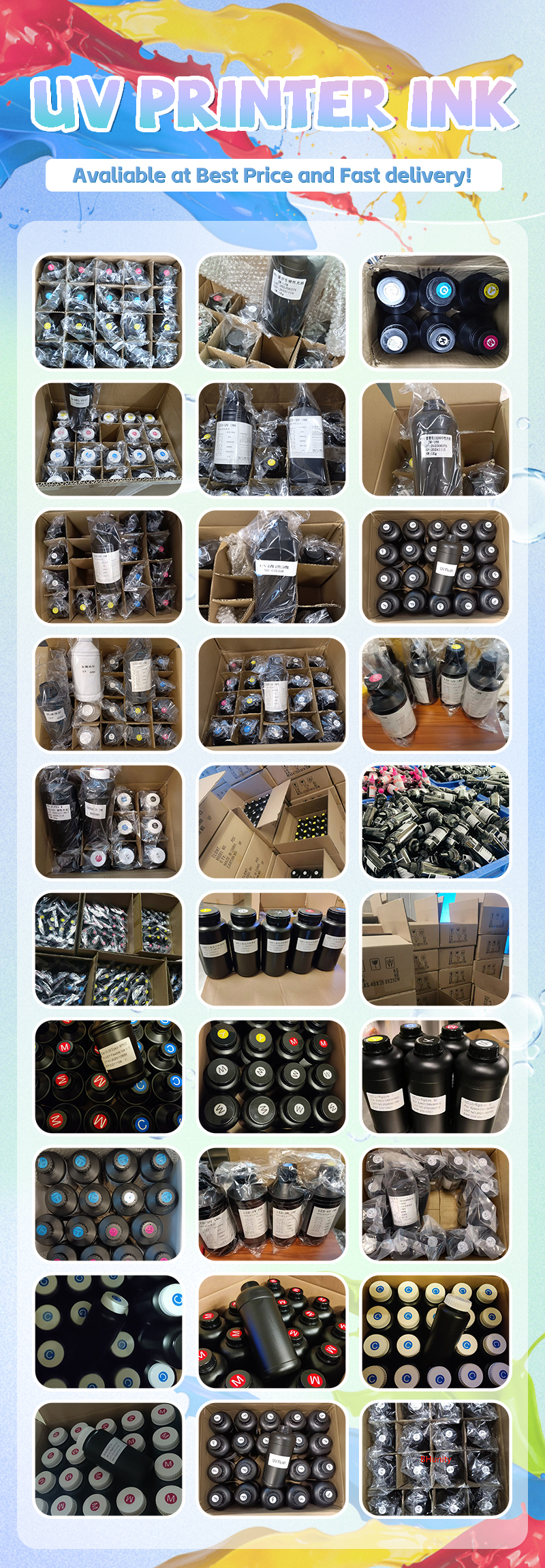
| Bottle Type | Black light-proof bottle with color-coded cap |
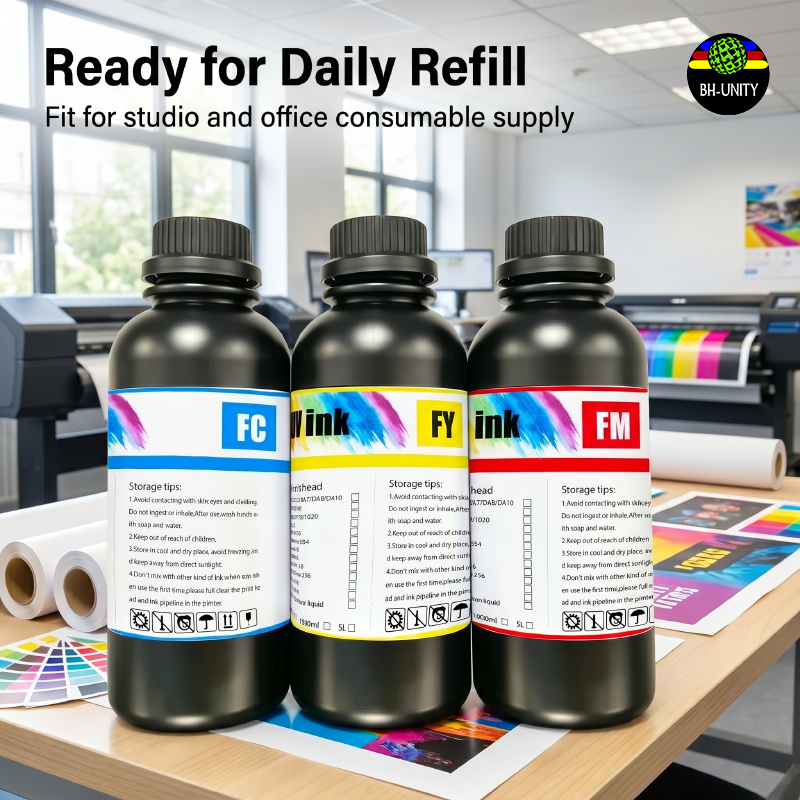
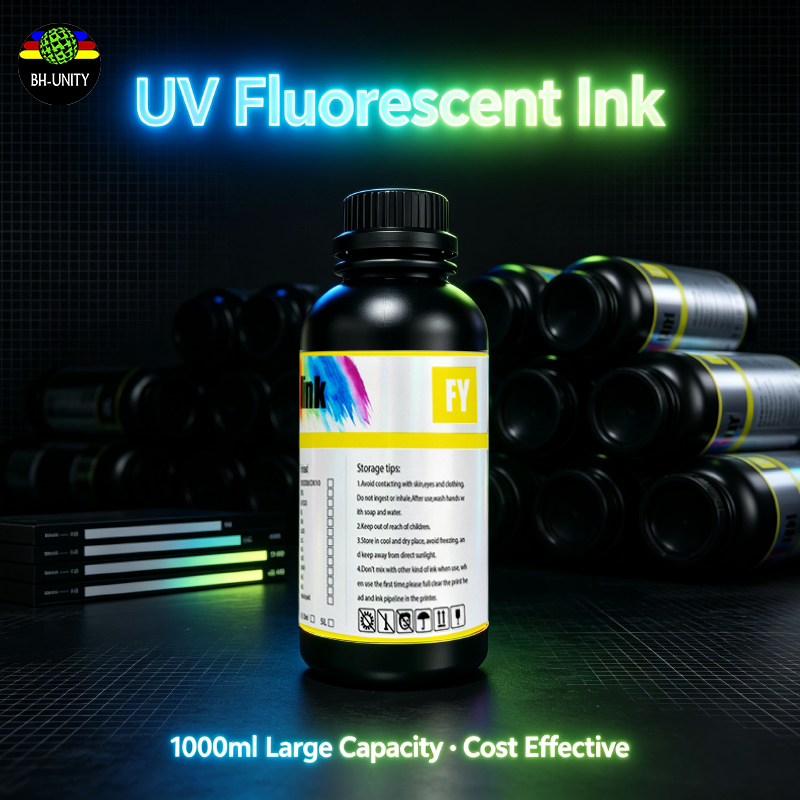
| Fluorescent Colors | FM (Fluorescent Magenta), FY (Fluorescent Yellow), FC (Fluorescent Cyan) |
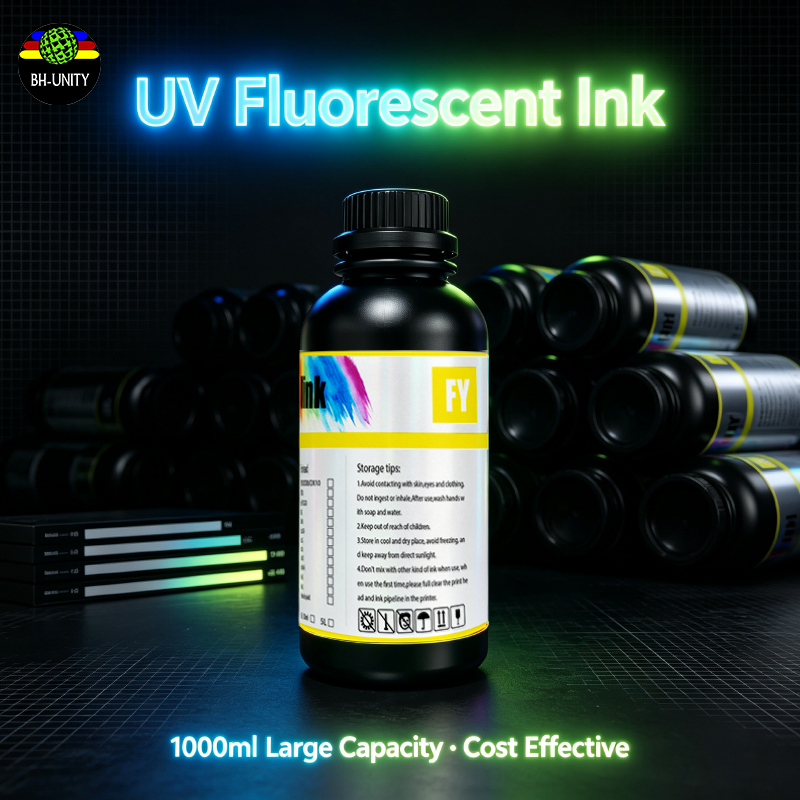
| Bottle Capacity | 1000 ml / bottle |
| Key Features | Ultra-bright neon, fast UV curing, scratch-resistant, anti-clogging |
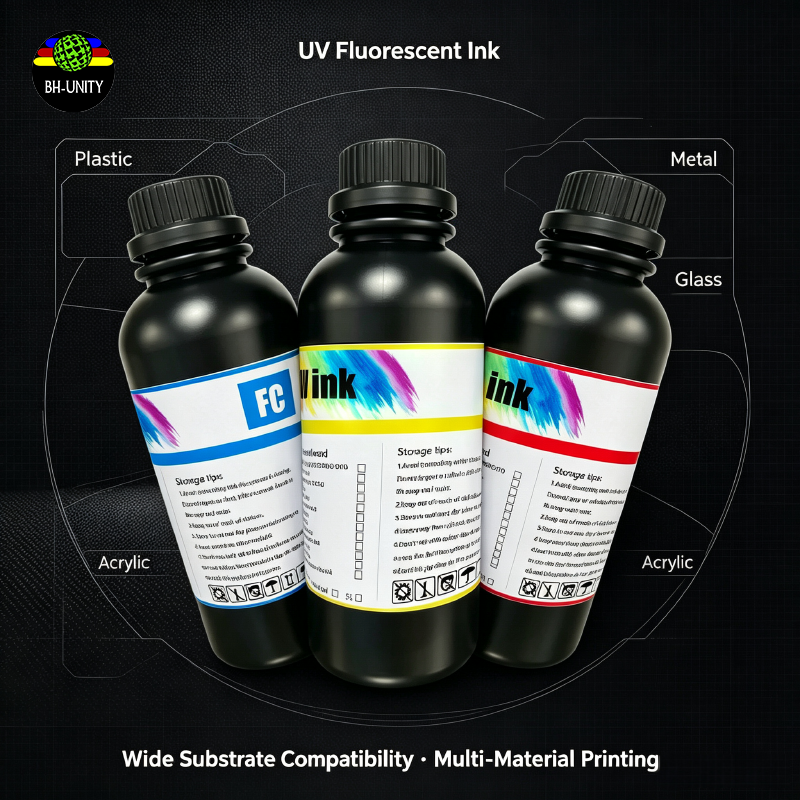
| Compatible Materials | Plastic, PVC, acrylic, metal, glass, wood, ceramic, KT board, soft film |
| Application | Signage, promotional items, phone cases, decorative prints, packaging |
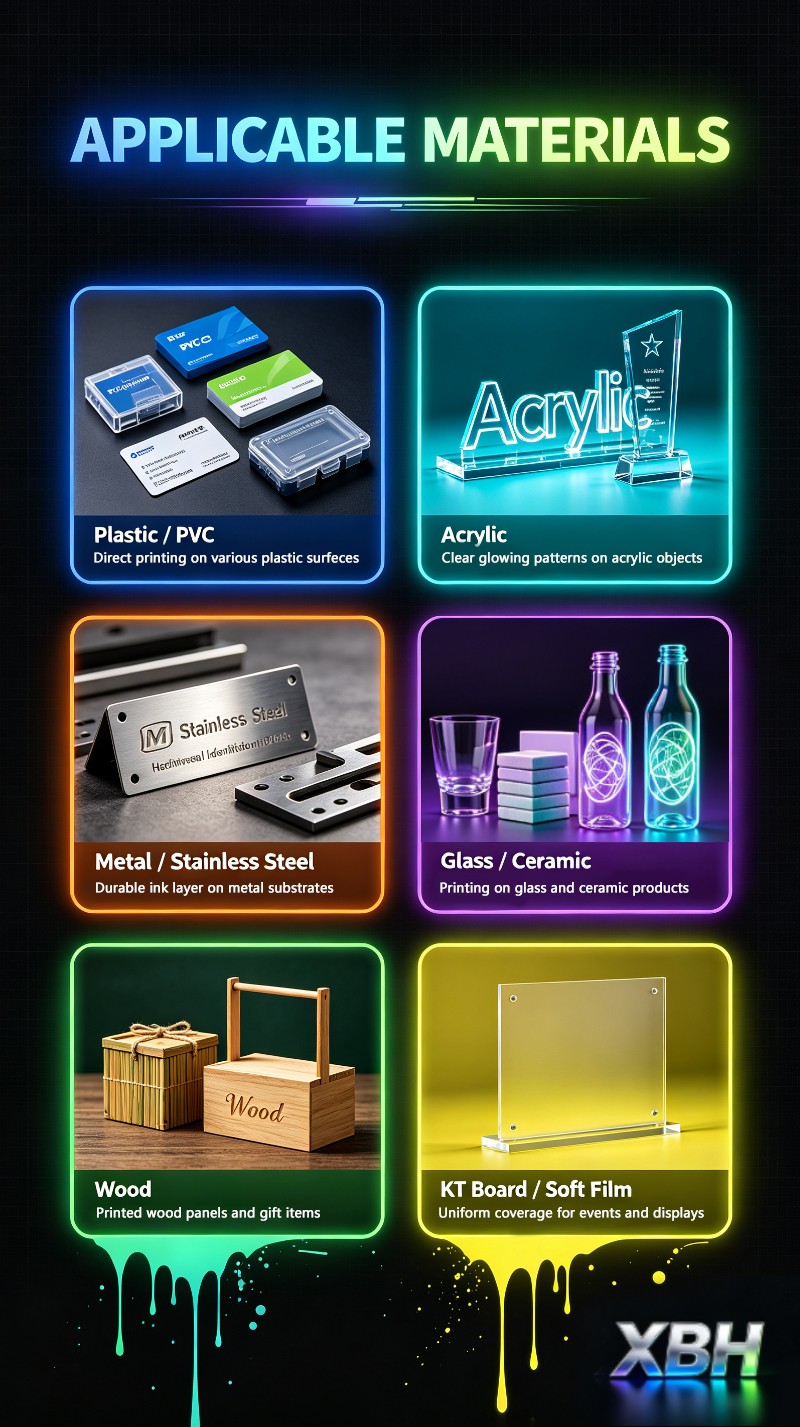



Q: How many different materials can this fluorescent ink print on?A: Quite a wide range. This universal UV fluorescent ink is formulated to work on most common hard and semi-hard substrates. That includes plastics like PVC and PET, acrylic, metal and stainless steel, glass and ceramic, wood, KT board, soft film and various other sign and display materials. If your UV printer can handle the material, chances are this ink will stick to it properly.
Q: Does the ink really stick well to non-porous surfaces like glass and metal?A: Yes, that's one of the strengths of the formula. The premium resin system in the ink is designed to bond firmly to smooth, non-porous surfaces. On glass, metal and acrylic, the cured ink forms a tough, adhered layer that doesn't peel, flake or rub off easily. You still want to make sure surfaces are clean before printing — grease, dust and oil can interfere with adhesion on any material.
Q: How does it perform on porous materials like wood?A: It works great on wood and other porous materials. The ink sinks in just enough to get a good bond, then cures hard with the UV light. On wood panels, gift boxes and wooden crafts, you get a nice vibrant fluorescent finish that's part of the surface, not just sitting on top. The glow effect shows through clearly, and the ink doesn't bleed or spread like water-based inks sometimes do on porous materials.
Q: Do I need different ink for different materials?A: No, that's the whole point of a universal ink. You use the same ink set for plastic, metal, glass, wood and everything in between. You don't have to switch ink types or flush the system when you change materials. Just adjust your print settings — things like curing power, number of passes and print height — based on the material you're running, but the ink itself stays the same. That saves a lot of time and wasted ink.
Q: What about flexible materials like soft film and vinyl?A: It works on those too. The cured ink layer has a degree of flexibility, so it doesn't crack or peel when the material bends. For applications like soft film signage, vinyl banners and flexible display materials, the ink stays adhered even when the material flexes. Of course, every material is different, and we always recommend testing on a sample first if you're working with something unusual, but most common flexible sign materials work well.
Q: Do I need to pre-treat surfaces before printing?A: For most materials, no special pre-treatment is needed. Just make sure the surface is clean, dry and free of grease, dust and release agents. For some very difficult materials — certain low-energy plastics, for example — you might want to use a surface treatment like corona or flame treatment for maximum adhesion, but that's more of an advanced step. For the vast majority of everyday sign and display materials, clean the surface and print, that's it.
Q: How do I test adhesion on a new material?A: The standard test is the tape test. Print a solid block of ink on the material, let it fully cure, then press a piece of strong tape firmly onto the print and peel it off quickly. If the ink stays on the material and doesn't come off with the tape, you've got good adhesion. If some ink comes off, you might need to adjust your curing settings, try more passes, or consider surface treatment. We always recommend testing on scrap material first.