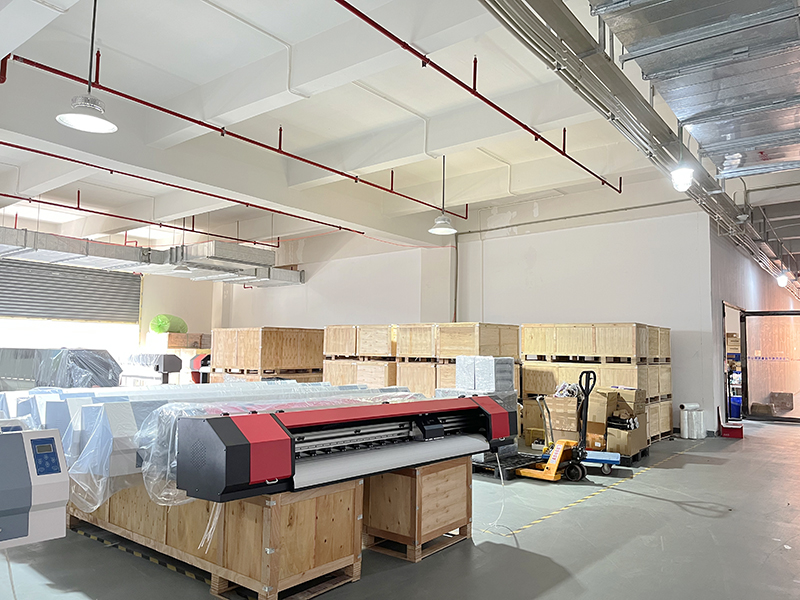



XBH-1902 UV Printer - Multi-Ink System CMYK+W+V 6 Colors UV Eco-Solvent & More
Brand XBH
XBH-1902 UV Printer supports multi-ink system compatibility: eco-solvent, water-based, sublimation and UV ink. CMYK+W+V 6-color configuration includes white ink and varnish for special effects. Switch ink types by project to maximize machine utilization. One printer handles multiple ink technologies and application requirements.


Q: What ink types does the XBH-1902 support?
A: The machine supports multiple ink technologies: UV ink, eco-solvent ink, water-based ink, and sublimation ink. This multi-ink compatibility means you're not locked into a single ink type — you can choose the ink that best matches each job's requirements. UV ink cures instantly with UV light and works on a wide range of materials including vinyl, PVC, acrylic and more. Eco-solvent ink is known for outdoor durability and works well on banners, vehicle wraps and signage. Water-based ink is environmentally friendly and produces vibrant colors for indoor applications. Sublimation ink is used for transfer printing onto polyester and coated materials. The ability to switch between ink types by project means one machine can serve multiple application needs, maximizing your return on investment.
Q: What does the CMYK+W+V 6-color configuration include?
A: The 6-color configuration includes the standard four process colors — Cyan, Magenta, Yellow, Black (CMYK) — plus White (W) and Varnish (V). The CMYK colors handle all standard full-color printing, reproducing a wide gamut of colors and tones. The white ink is used as an underbase for printing on transparent or colored materials, ensuring colors show up brightly and accurately; it can also be used as a design element on its own. The varnish is a clear coating that can be applied over the printed design for added protection, a glossy finish, or special spot effects — making certain areas of the graphic stand out with a raised or glossy texture. Having both white and varnish available in addition to CMYK gives you the flexibility to produce premium, high-impact graphics with special effects that standard 4-color printing can't achieve.
Q: How does white ink work for transparent and colored media?
A: When printing on transparent materials like light box film, or on colored media like colored vinyl, the base material color would show through the ink and mute the design colors if printed directly. White ink solves this: the printer first lays down a layer of white ink exactly where the design will go, creating an opaque white foundation. Then the CMYK color layers print on top of the white, so the colors show up true and vibrant instead of being affected by the material underneath. On transparent materials for backlit light boxes, the white underbase ensures the graphic is opaque enough to look good when lit from behind. For colored vinyl or PVC, the white ensures your colors don't get darkened or tinted by the material color. The white ink is also useful for printing white text or graphics as a design element on dark or colored backgrounds.
Q: What can I do with the varnish channel?
A: The varnish (V) channel deposits a clear, glossy coating that can be used in several ways. You can print a full varnish overcoat across the entire design for added protection against scratches, weather and UV fading — extending the life of outdoor graphics. You can use varnish selectively for spot gloss effects: make certain parts of the design — like a logo, text, or key visual element — glossy while other areas stay matte, creating visual contrast and a premium, high-end look. You can also build up multiple layers of varnish to create slightly raised or textured surfaces, adding a three-dimensional tactile quality to the graphic. These varnish effects are especially valuable for high-end retail displays, exhibition graphics, premium signage and any application where you want the graphic to look more expensive and sophisticated. Having the varnish channel built in means you can offer these premium effects without additional equipment or processes.